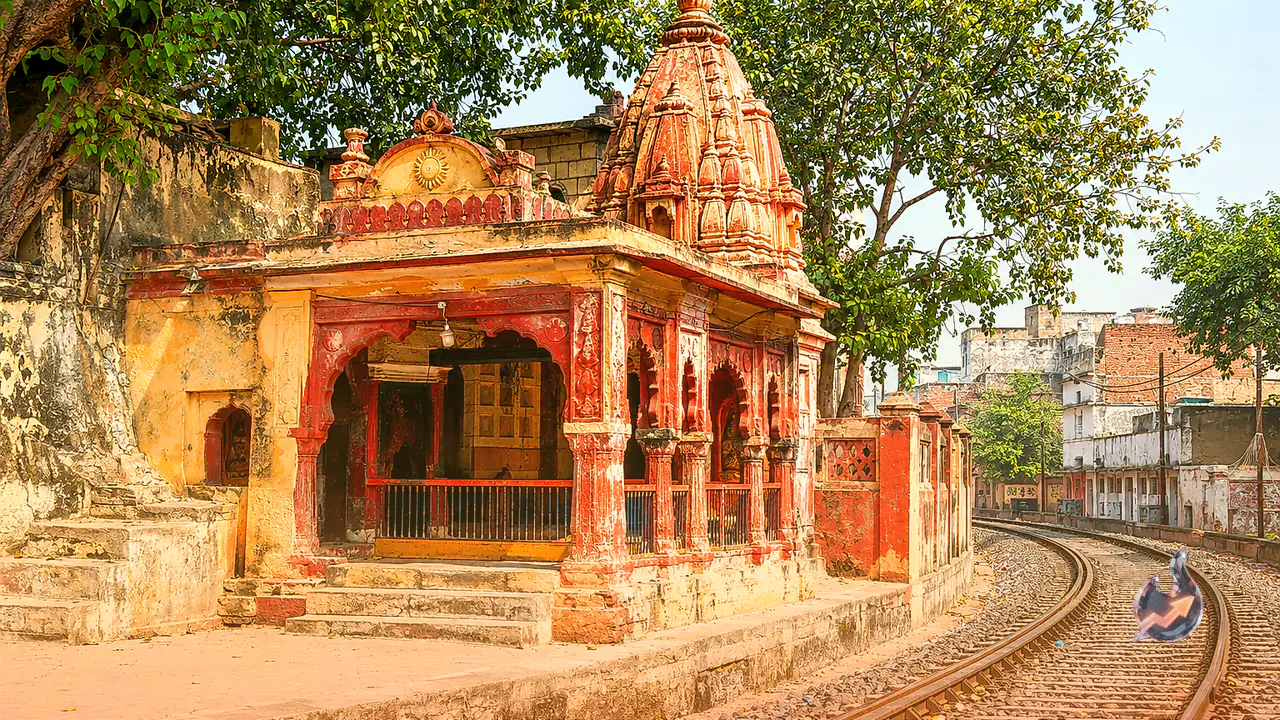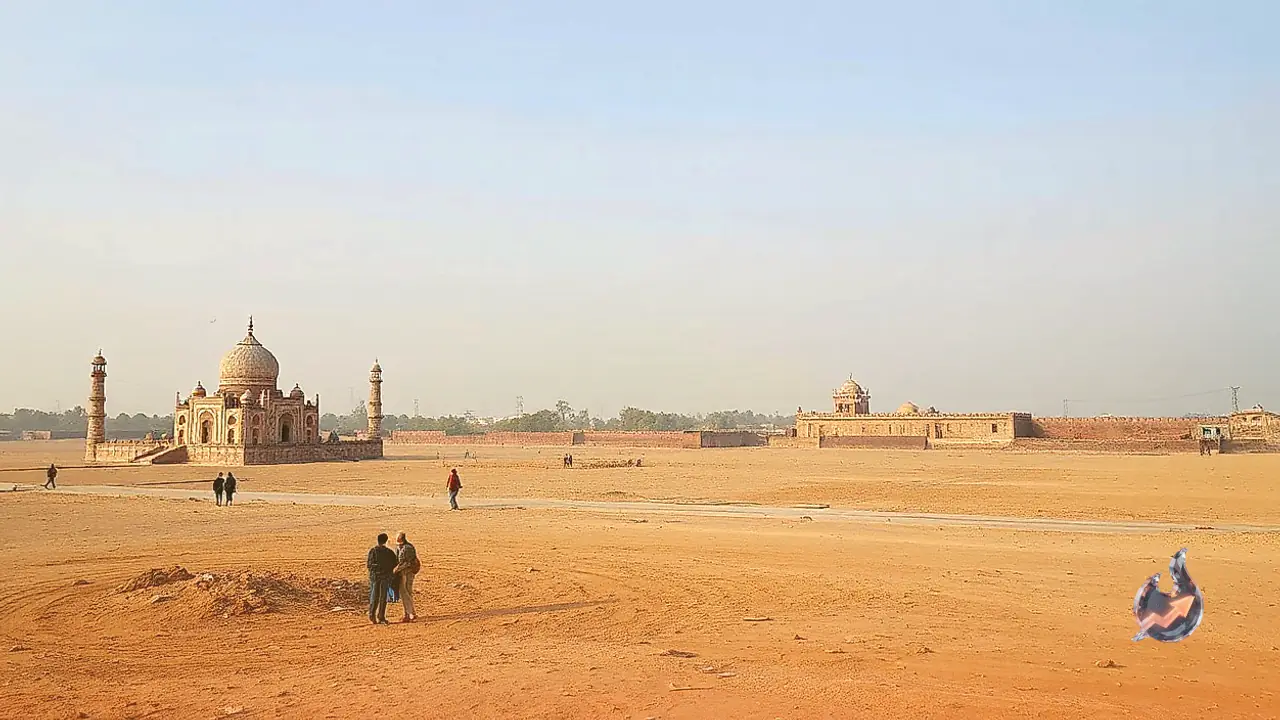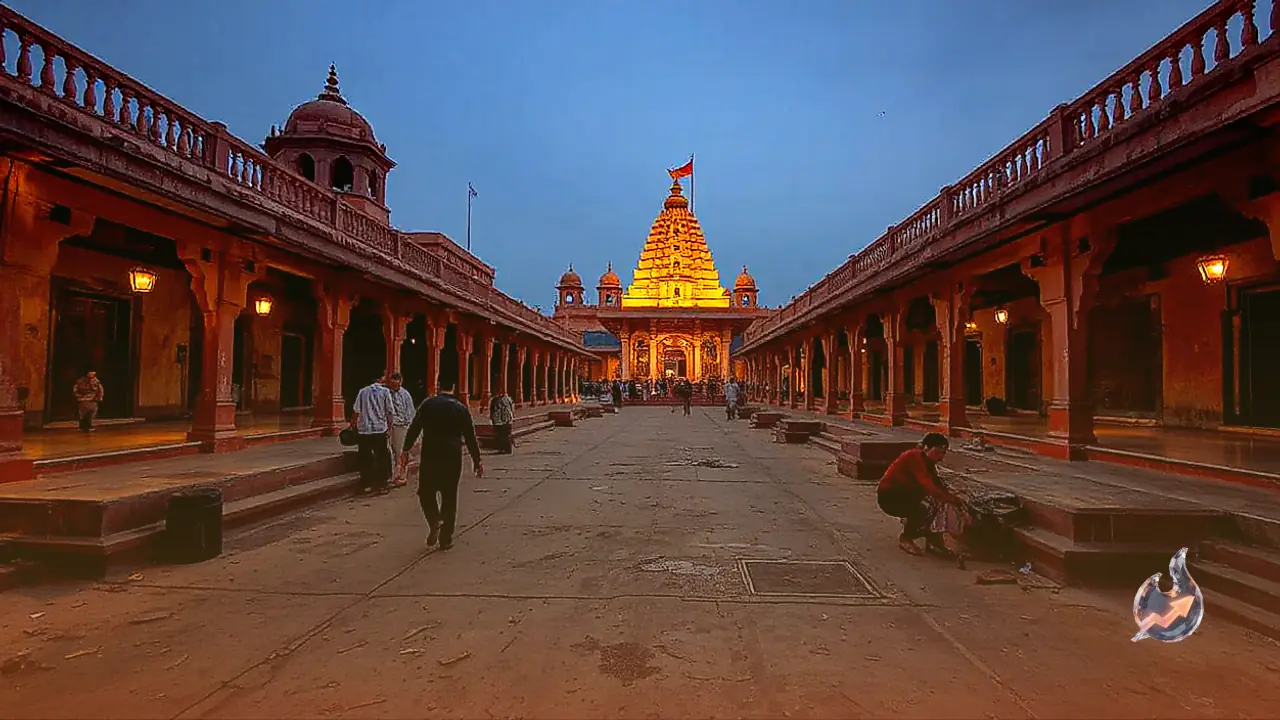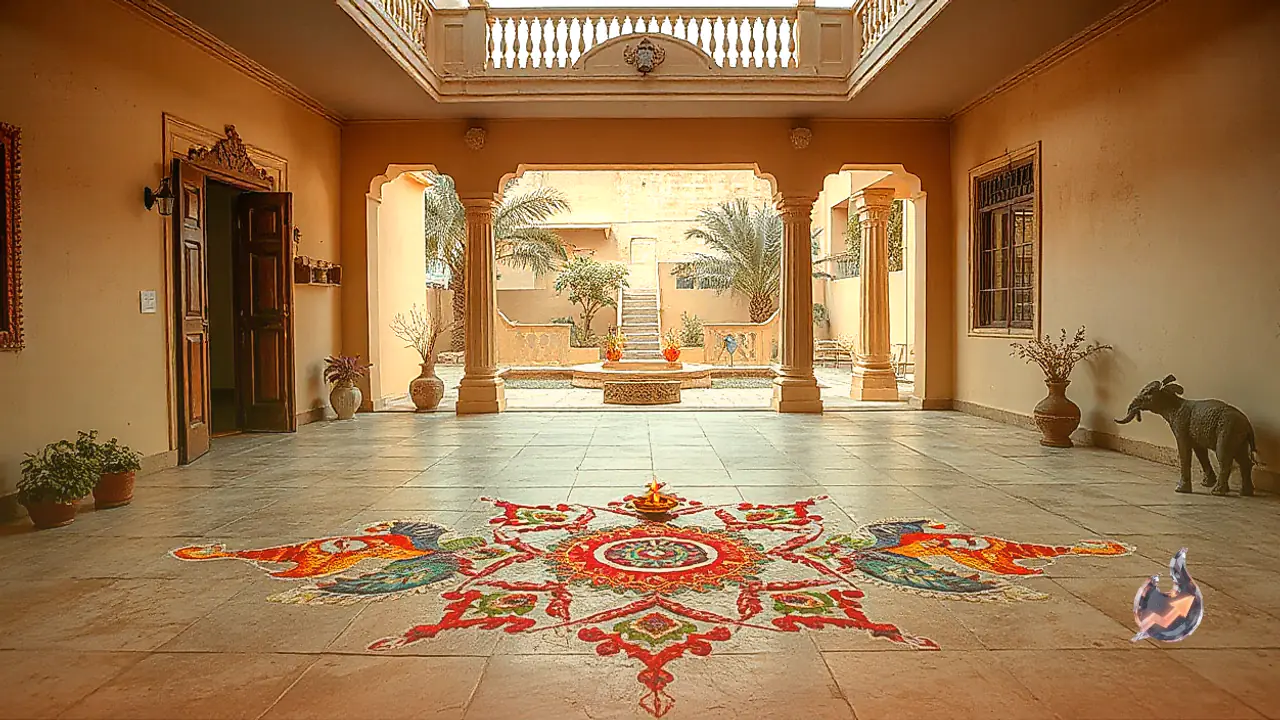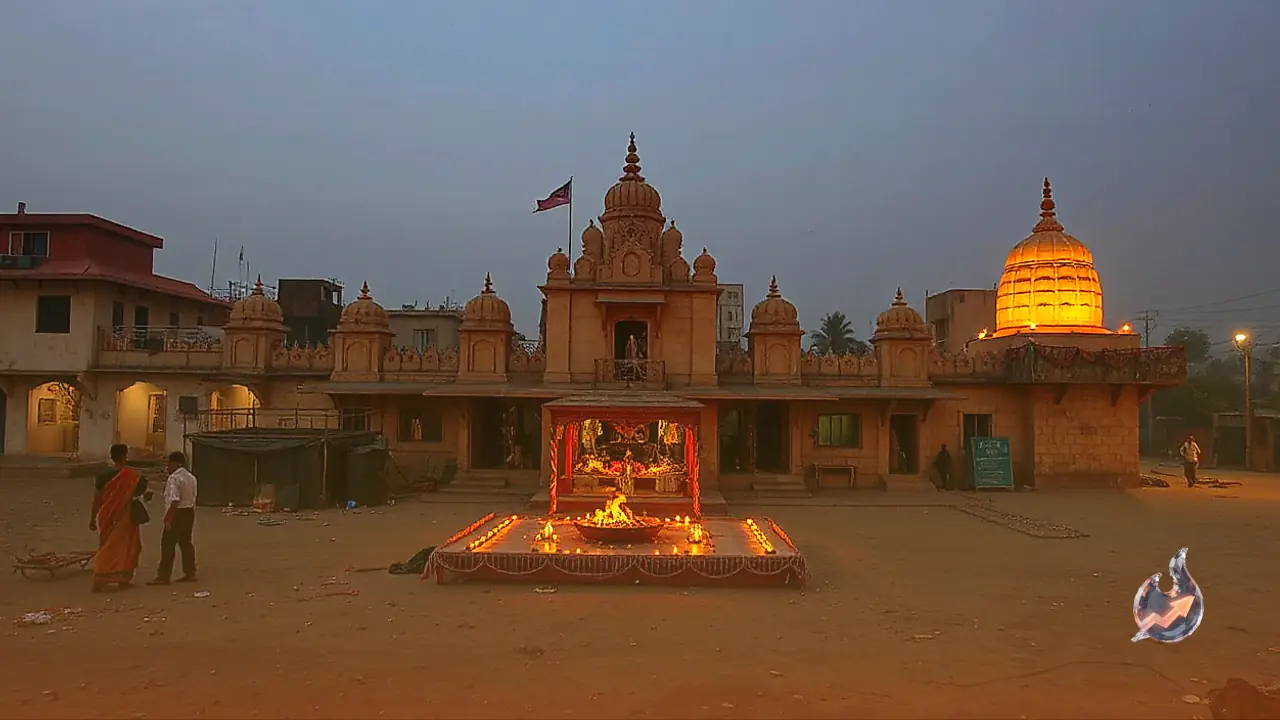



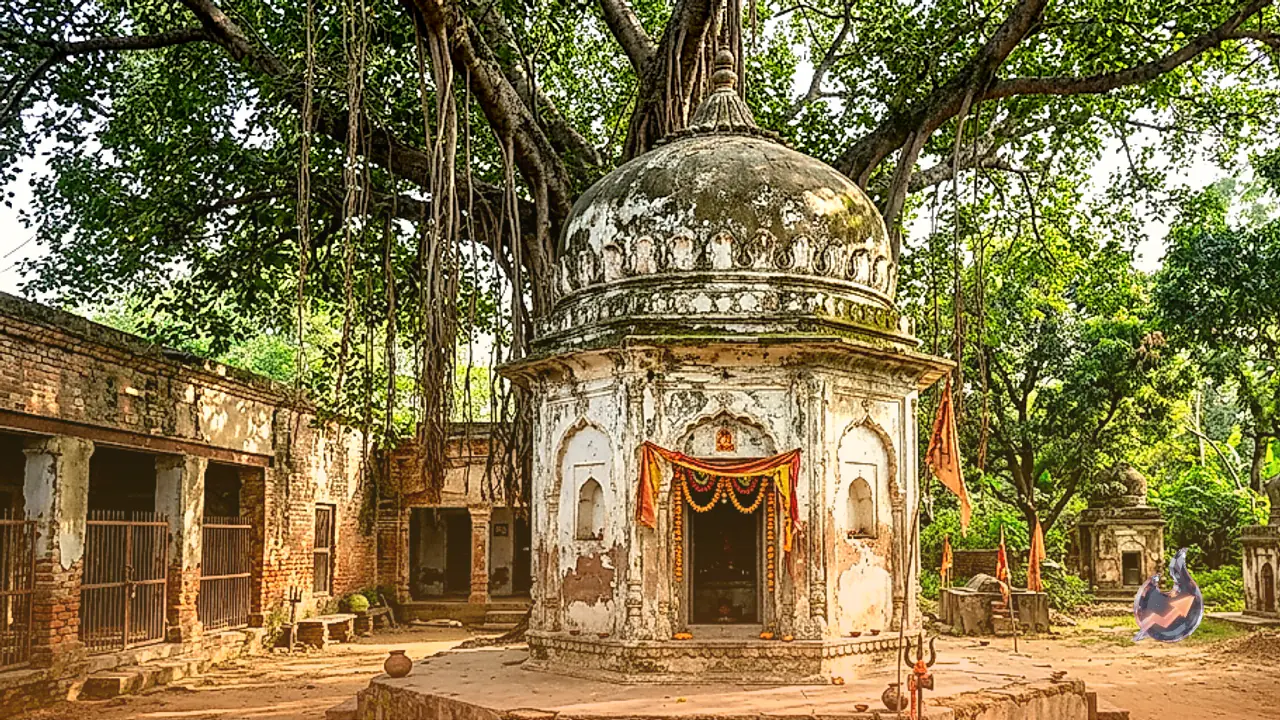















India has long stood as a land of deep religious and spiritual heritage, featuring numerous ancient structures that preserve the nation's rich cultural legacy. Among these stands the Kutiya Math, situated in the Kothiya village assembly of Mau, holding a distinct and revered significance. What makes this monastery unique is that the entire village assembly is settled upon its land, and sacred asthadhatu idols housed within the temple continue to be worshipped with full devotion to this day.
Centuries-Old History and Ascetic Traditions
The monastery carries a history spanning several centuries. According to priest Shiv Shankar Bharti, the math is approximately 200 to 300 years old, and he represents the ninth generation of head priests to serve at the hermitage. Affiliated with the Shaivite sect, this ascetic ashram strictly follows the tradition that whoever assumes the role of head priest never marries and ultimately takes samadhi at the end of their life. Devotees travel from distant districts and other states to offer prayers at this temple, where idols of Lakshmi, Narayan, Ram, Lakshman, Janki, and Shiva are consecrated and regularly worshipped.
Historical Fortification and Ancient Ponds
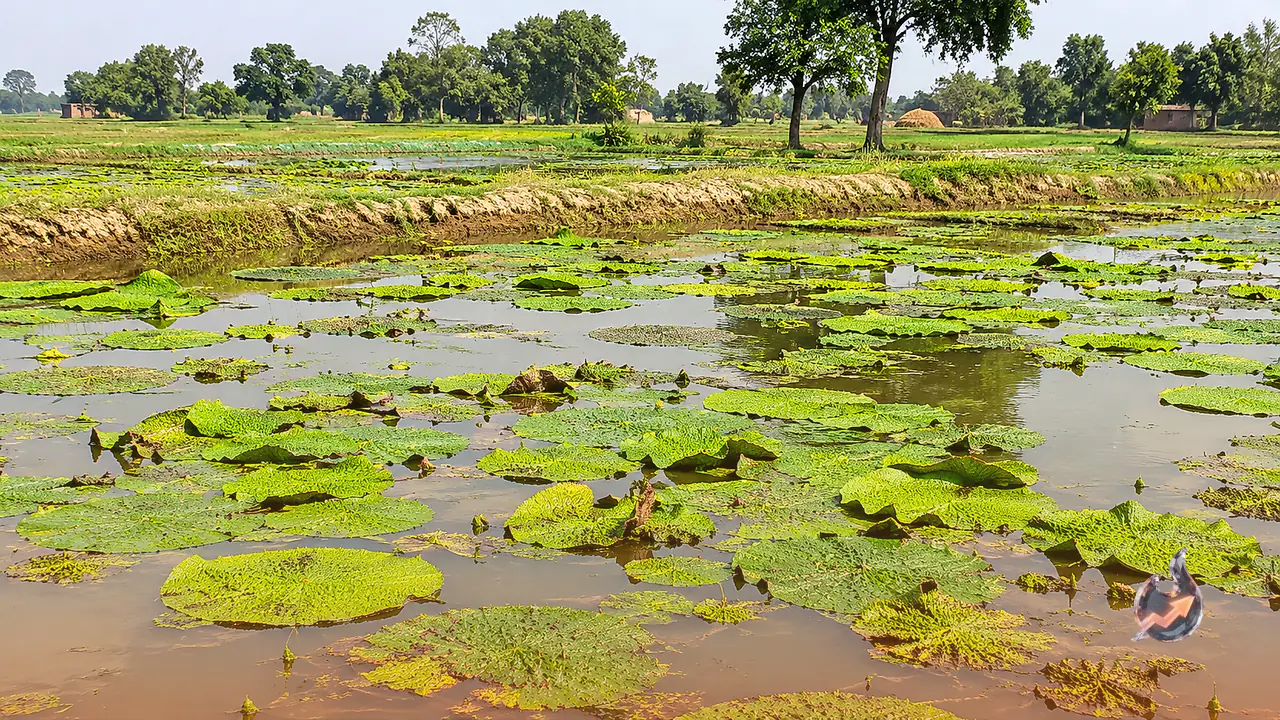
Local resident Chandi Prasad Tiwari shares that the area once housed a king's fort before saints arrived and established spiritual practices. To ensure the security of the settlement and the monastery, a large pond was manually excavated all around the village during the reign of the king. Historical accounts indicate that the math once possessed numerous gold and asthadhatu idols alongside precious ornaments. However, dacoits once attacked the head priest and looted several valuables, though a few asthadhatu idols survived and remain the center of daily worship for villagers who hold deep faith in the math.
Special Rituals and Festivities
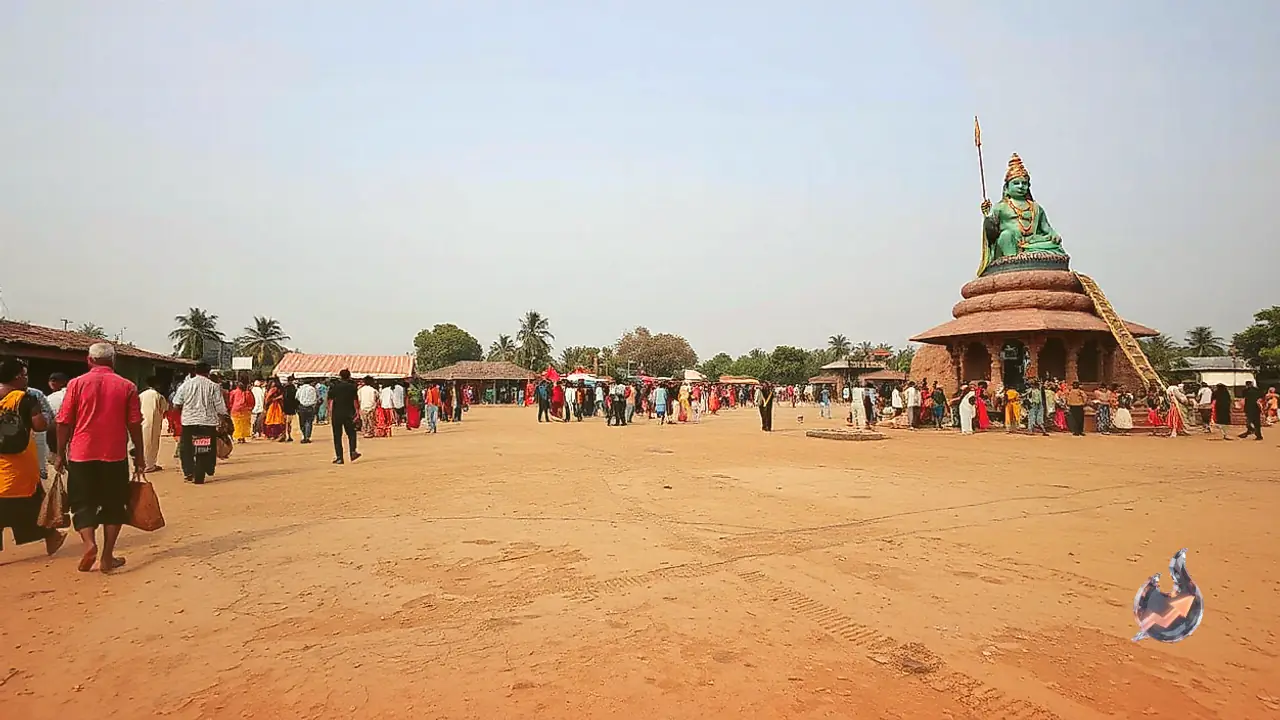
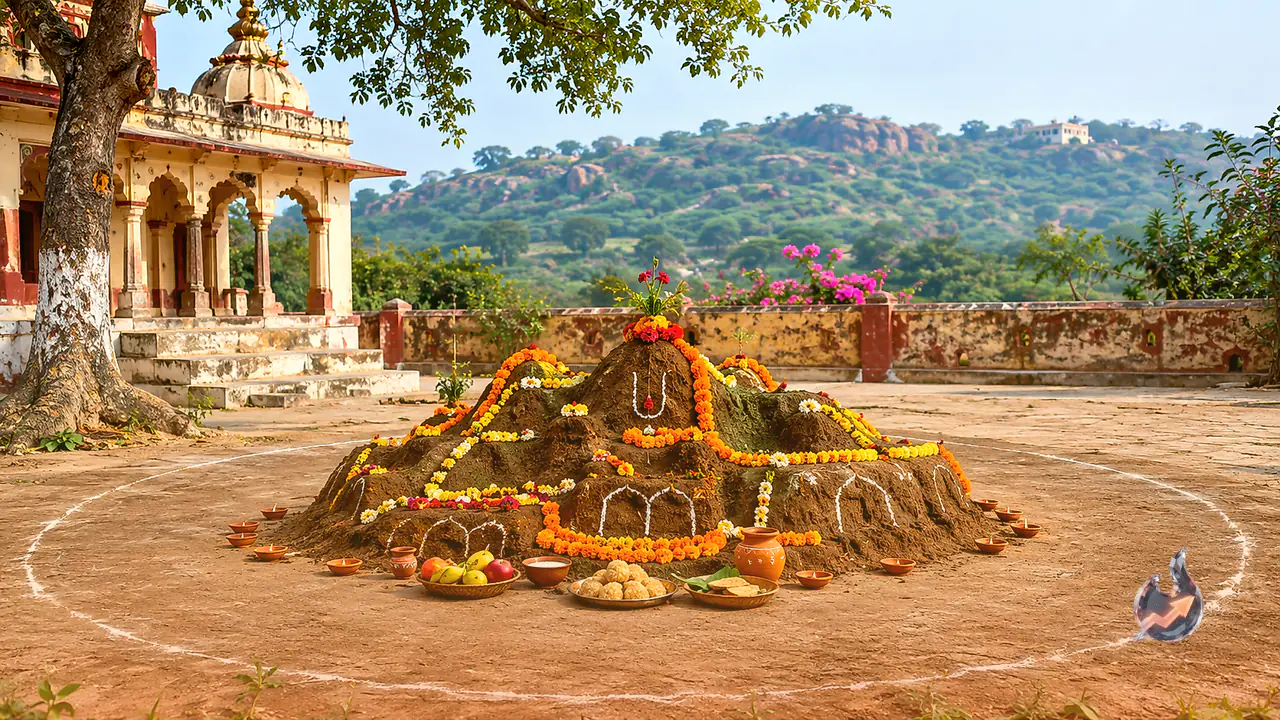
Religious ceremonies and grand yagnas are frequently organized at the Kutiya Math. In earlier times, Naga sadhus used to visit the premises regularly. Different idols are temporarily installed during major religious festivals, such as the idols of Lakshmi and Ganesh installed during Diwali, which are subsequently immersed following Govardhan Puja. These events draw large gatherings of worshippers from Mau as well as neighboring districts and distant states, keeping the centuries-old spiritual legacy vibrant and active.