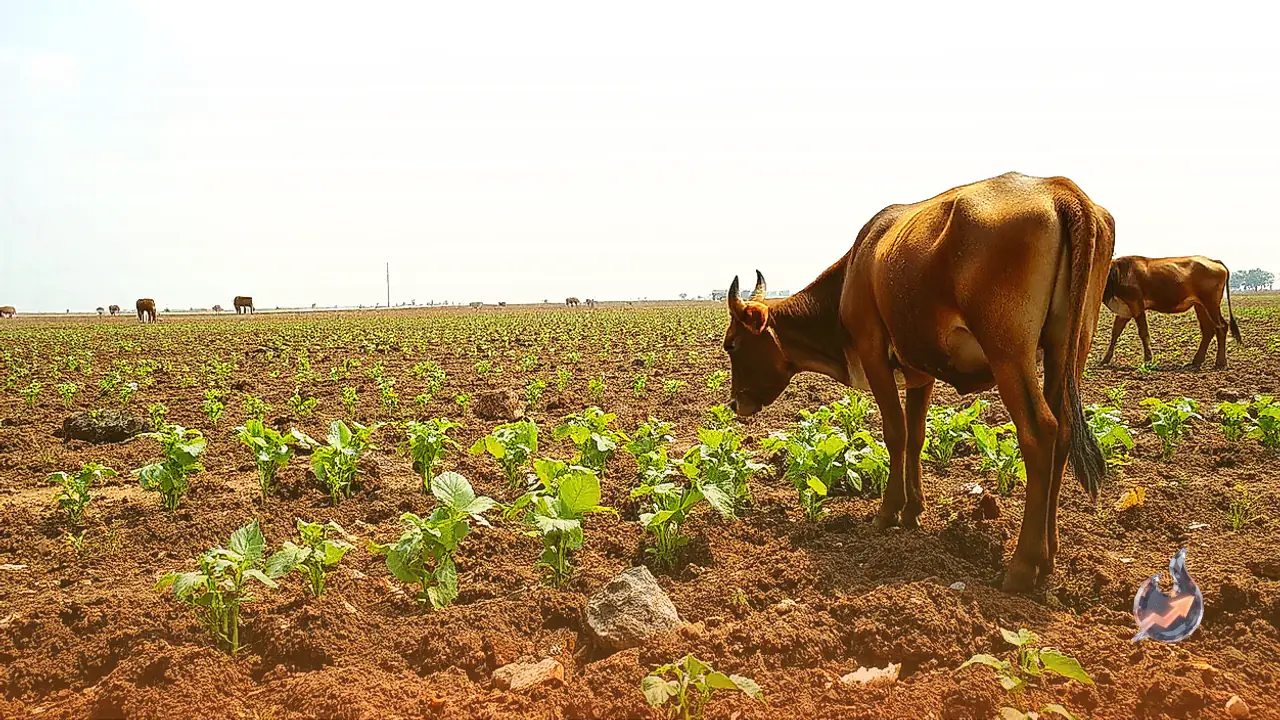
























Animal care requires careful attention to daily nutrition, as minor feeding oversights can lead to severe health crises in livestock. Specifically, urolithiasis is a prevalent medical condition observed in male buffalo calves where mineral stones form directly within the urinary tract. This obstruction blocks the normal flow of urine, and the dangerous condition is most frequently diagnosed in young calves around seven to eight months of age.
Dietary Imbalances and the Proper Way to Prepare Straw
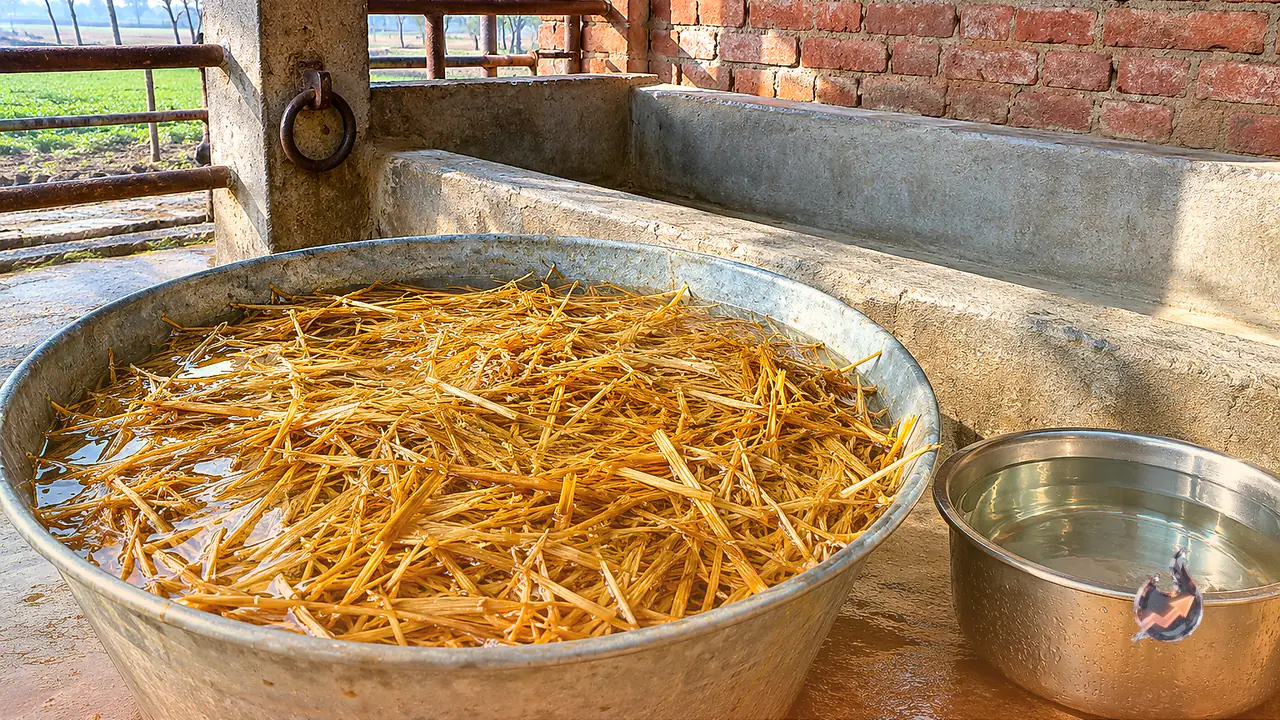
According to veterinary experts, the primary trigger behind urolithiasis in young buffalo calves is an unbalanced diet. Special caution is mandatory when growing calves begin consuming dry straw or stubble, as many farmers make the mistake of feeding raw, dry straw directly to the animals. This untreated straw contains high levels of calcium oxalate that negatively impact the animal's internal health. To prevent this hazardous buildup, the straw should always be soaked in water overnight before feeding, and the water must be completely discarded the next day before offering the softened straw to the livestock.
Winter Weather Dangers and the Risk of Bladder Rupture
Seasonal shifts, particularly during harsh winter days, demand heightened vigilance regarding this urinary ailment. Cold weather causes the animal's urinary passages to constrict naturally, which further increases the difficulty of passing urine smoothly. If microscopic stones are already present inside the urinary tract, the winter chill can block the passage entirely. Under this critical condition, urine continues accumulating continuously inside the urinary bladder, creating immense pressure that can eventually cause the bladder to rupture and lead to the tragic death of the animal.
Recognizing Early Warning Signs and Behavioral Changes
Monitoring the daily behavior and urination patterns of the young animal is extremely crucial when dealing with urolithiasis. If a male buffalo calf repeatedly strains and attempts to urinate but fails to pass any fluid, or if urine only comes out in painful drops, this warning sign must never be ignored. Farmers should immediately consult a qualified veterinarian and initiate medical treatment without wasting any precious time.
Permanent Surgical Solutions and Balanced Nutrition
In situations where urinary stone blockages occur repeatedly in the same animal, undergoing a permanent surgical procedure under veterinary guidance serves as a reliable treatment alternative. Furthermore, livestock owners must ensure that animals receive a balanced daily diet combining green and dry fodder calculated strictly according to their body weight, along with regular doses of mineral mixtures to maintain optimal health.