























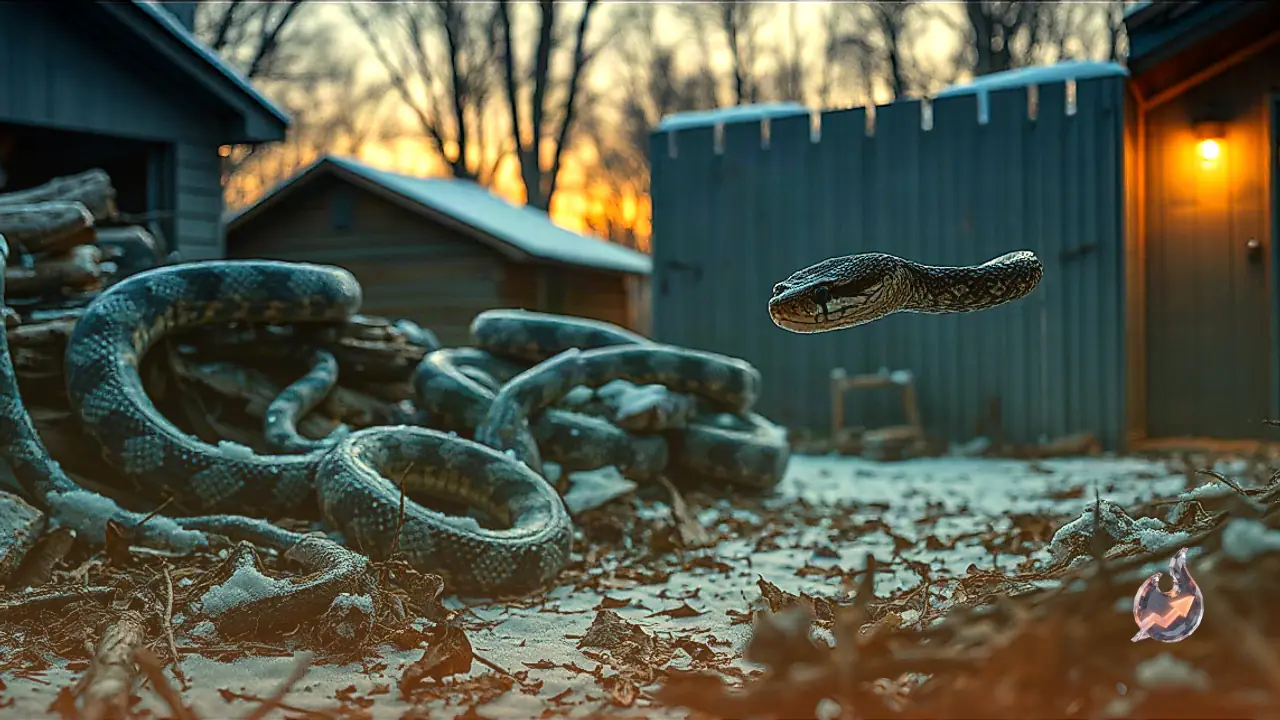

With the onset of cold conditions, reptiles begin searching for sheltered, relatively warm environments to endure the drop in temperature. In regions like Palamu, falling mercury prompts snakes to actively seek refuge in and around residential properties. Thick vegetation, scattered timber, brick piles, accumulated scrap, stone gaps, and subterranean holes serve as prime hiding sanctuaries during this phase. In many instances, the hunt for prey draws them near human habitations, eventually causing them to slip inadvertently into domestic interiors. Implementing a thorough sanitization and clearance routine across household surroundings before peak winter sets in is therefore an urgent necessity.
Pruning Dense Overgrowth and Clearing Yard Clutter
Overgrown weeds and thick bushes immediately surrounding boundary walls create natural screens where reptiles can nest undetected. Regularly trimming such vegetation drastically reduces these hidden havens. When discarded materials, building stones, fire logs, and scrap remain undisturbed in a single spot for months, they trap ambient warmth and moisture, making them ideal nesting grounds. Keeping the perimeter walls completely free of junk and arranging necessary items neatly off the ground discourages snakes from lingering.
Setting fire to wild shrubs is an unsafe and hazardous approach to clearing land. Torching dry brush carries a massive danger of triggering uncontrolled blazes that can engulf buildings, while also indiscriminately harming other native wildlife. Physically cutting back overgrowth, clearing debris by hand, and leveling depressions with earth provide a far safer and more responsible barrier against unwanted intrusions.
Eradicating Rodent Infestations to Eliminate Prime Prey
According to Tarkeshwar Singh Chero, a resident of Palamu district, the availability of prey is a leading driver bringing snakes close to homes. A substantial number of snakes feed heavily on rats. When rodent burrows pockmark the yard or mice proliferate inside the building, the likelihood of snakes tracking them straight to the doorstep climbs sharply. Sealing every visible rat hole and blocking crevices that allow pests to enter domestic areas must be prioritized.
Food management forms the second line of defense against rodents. Storing agricultural produce, packaged rations, and grain supplies inside securely sealed containers prevents easy foraging. If rats cannot access grain or food scraps, their populations decline, thereby removing the primary food incentive that attracts predatory snakes.
Sanitizing Livestock Sheds and Poultry Enclosures
Tarkeshwar Singh Chero highlighted that animal sheds, chicken coops, and zones hosting abundant frogs or mice require disciplined, routine upkeep. Leftover poultry feed and loose fodder scattered on open ground rapidly draw vermin, which subsequently lures hungry reptiles to the coops. Ensuring that feed containers remain securely closed after every feeding and sweeping out animal pens daily helps neutralize this secondary ecological chain.
Deploying Phenyl Sprays, Native Plants, and Traditional Remedies
Regular floor sanitation using phenyl or standard cleaning solutions helps deter unwanted pests. Tarkeshwar Singh Chero noted that spraying phenyl solution along outer boundaries and entry corridors reliably discourages snakes from crossing into domestic rooms. Nevertheless, physically cementing rodent passageways and foundation cracks remains far more decisive than relying solely on scents.
Additionally, he pointed to the native practice of cultivating a specific domestic plant near compounds to discourage reptiles, alongside the application of a traditional remedy known as Ghorbanch medicine. Incorporating these indigenous barriers alongside disciplined physical cleaning builds an effective preventive perimeter.
Encounter Protocols: Avoiding Confrontation and Seeking Rescuers
In the event that a snake is discovered while clearing grounds or moving stored goods, individuals must strictly refrain from attempting to catch or kill it. Most dangerous bites transpire when untrained people provoke the animal with sticks or attempt a capture. Maintaining a wide, secure radius is the safest course of action.
Children and domestic pets should be removed immediately from the vicinity of the sighting. The safest and most effective solution is to alert a trained local snake rescue unit or the state forest department for professional extraction. Diligent household hygiene and yard clearance remain the best insurance against snakes finding either food or shelter on the property.