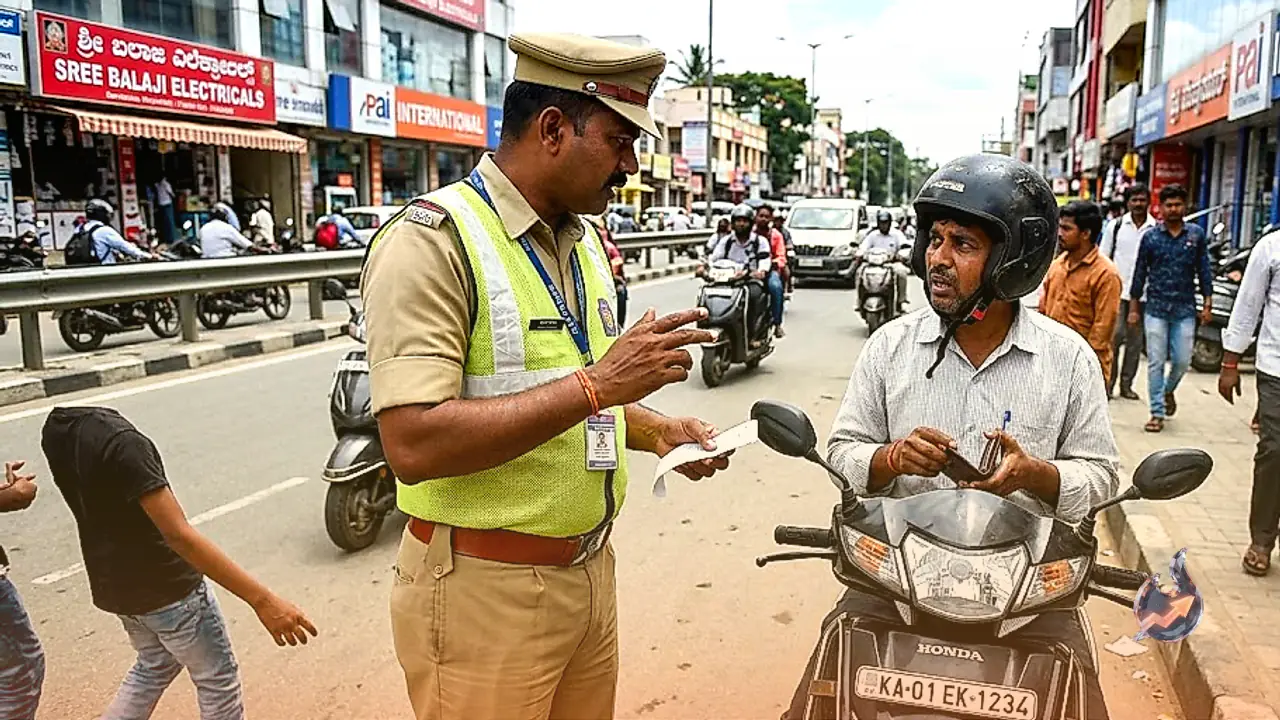























Electoral authorities across Karnataka have instituted stringent measures to counteract organized attempts aimed at manipulating voter rolls through spurious objections. Clear mandates have been issued across all two hundred and twenty-four assembly segments, directing returning officials and district election heads to initiate formal police proceedings against individuals submitting fabricated claims intended to delete eligible citizens from electoral registries.
Statutory Penalties Under Representation of the People Act
Initial administrative scrutiny across several assembly jurisdictions revealed that mass submissions requesting voter deletions had landed on the desks of local registration authorities. Subsequent spot checks disclosed that numerous applications contained blatantly incorrect particulars and failed basic scrutiny. In response, electoral leadership instructed that any claimant intentionally furnishing deceptive written statements or false declarations will face prosecution under Section 31 of the Representation of the People Act, 1950.
Before executing formal legal complaints, field staff must satisfy the due diligence procedures outlined under Rule 20 of the Registration of Electors Rules, 1960. Furthermore, poll administrators underlined that this punitive framework is not confined solely to deletion requests. Any deliberate misrepresentation submitted across forms meant for new enrollment, overseas elector additions, or demographic corrections will attract an identical criminal liability.
Political Controversy Over Alleged Mass Disenfranchisement
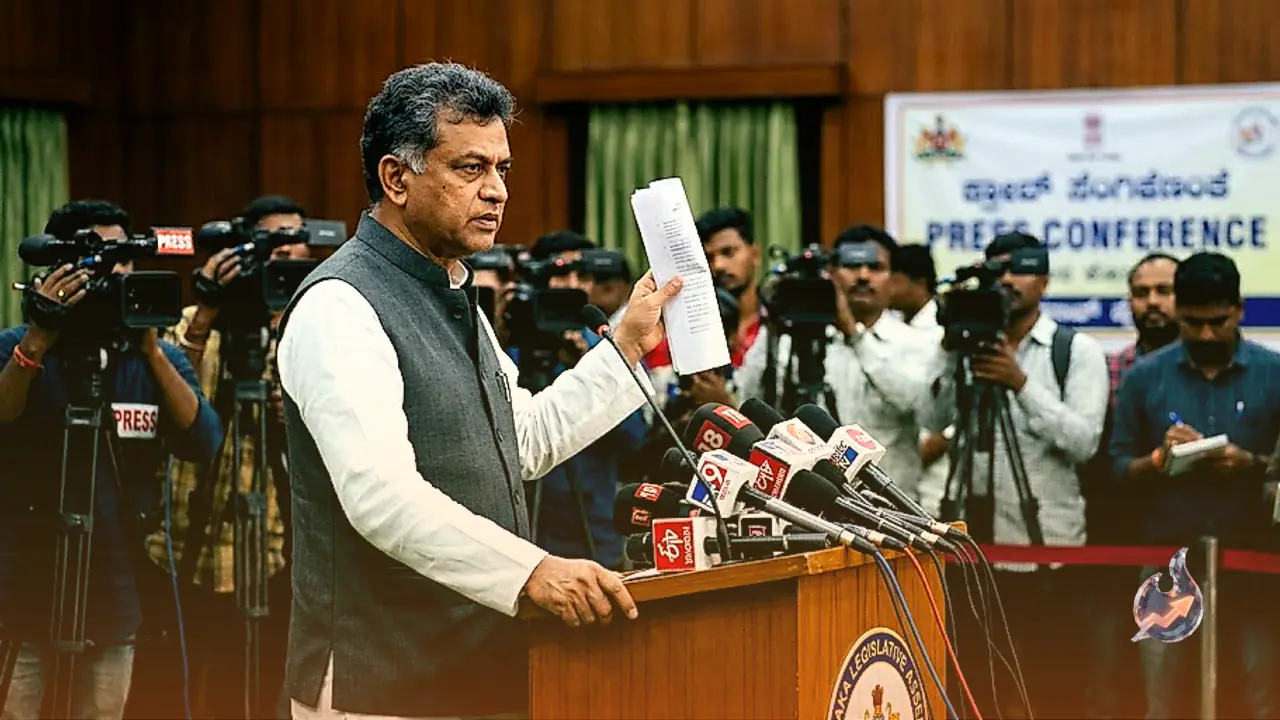
This stringent administrative order follows sharp accusations raised on the state's political stage regarding the ongoing electoral summary revision. On Thursday, October 1, 2026, Karnataka Chief Minister DK Shivakumar made public allegations asserting an organized scheme to disenfranchise approximately 50 lakh eligible citizens across the state through clandestine paperwork manipulations.
The claims highlighted that pre-filled deletion notices were being systematically distributed, specifically targeting vulnerable segments, including minority and backward class communities. Specific constituency-level tallies were cited to illustrate the scale of the operation, including more than 1,600 suspicious deletion submissions uncovered in Bableshwar, 14,000 in Vijayapura, and 3,244 in Bhalki. Electoral watchdogs were urged to register immediate criminal complaints and secure the custody of those orchestrating these mass filings.
Safeguarding Genuine Voters from Arbitrary Exclusion
The institutional mandate directing criminal charges establishes a critical safeguard for genuine voters ahead of upcoming democratic exercises. Historically, legitimate electors often found themselves stricken off the registers due to surreptitious bulk objections filed without their awareness. Under the renewed regulatory rigor, mandatory physical verifications coupled with the deterrent of imprisonment will discourage malicious operatives from weaponizing deletion paperwork, thereby preserving the constitutional franchise of legitimate citizens.