























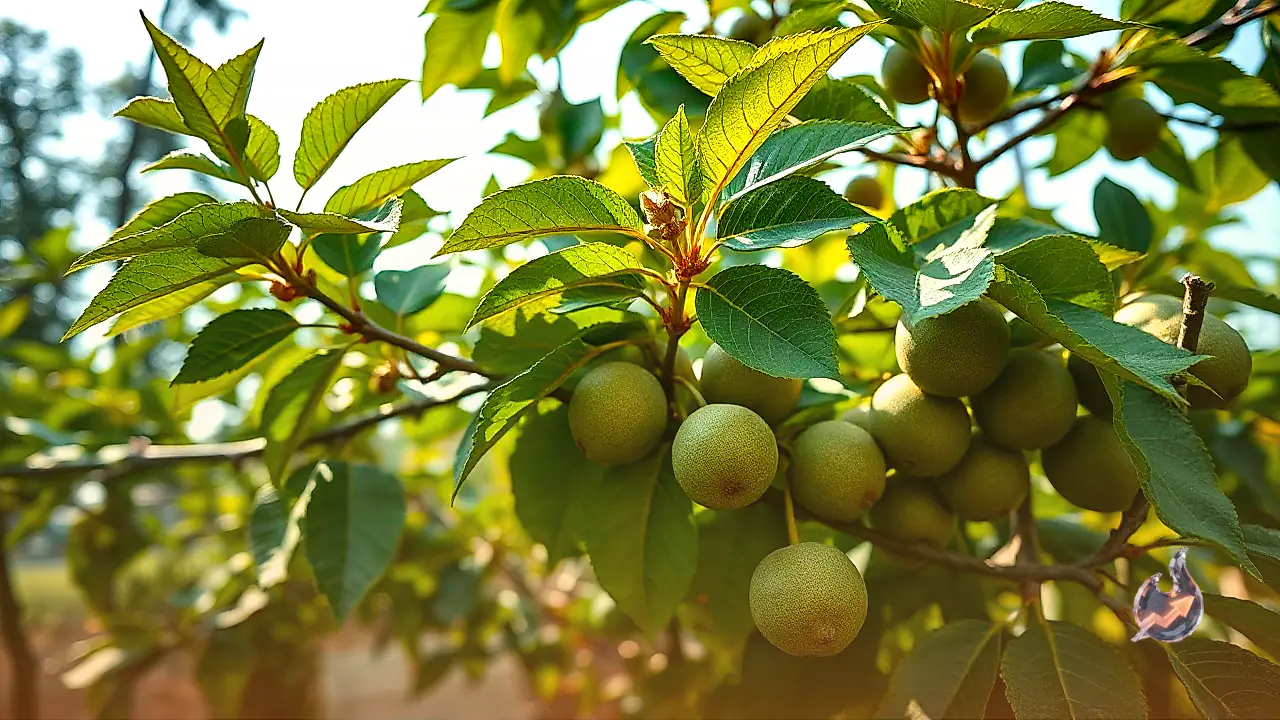

A guava tree laden with fruits is a delightful sight for any home gardener, representing months of patient care. However, that excitement quickly turns into disappointment when ripe guavas are cut open only to reveal worms inside. This widespread problem is caused primarily by the fruit fly, an insect that lands on developing guavas and deposits its eggs beneath the skin. These eggs eventually hatch into maggots, destroying the pulp from within. Fortunately, by adopting a few practical, organic, and systematic maintenance procedures, gardeners can successfully protect their crop and enjoy clean, healthy, and delicious guavas. Consistent monitoring and preventative measures are key to completely mitigating pest infestations.
Sanitation Around the Tree Canopy
Maintaining cleanliness on the ground around the tree is the crucial first line of defense against pest attacks. Guavas that drop to the ground do not merely create clutter, they serve as ideal breeding grounds for fruit flies and fungal spores. Inspecting the garden area daily and promptly picking up fallen, overripe, or decaying fruit is essential. These damaged fruits should never be left sitting near the base of the tree, as they attract high concentrations of insects. Instead, collect and dispose of them properly by burying them deep in the soil or discarding them far from the orchard. During rainy and humid conditions, when pest activity peaks, maintaining a clean ground surface significantly lowers the risk of infestation.
Protecting Developing Guavas with Fruit Cover Bags
For home gardens with manageable fruit yields, providing physical protection to individual fruits is a highly reliable strategy. As young guavas begin to expand, enclosing them within breathable mesh covers or specialized paper fruit bags isolates them from external threats. It is important to secure the cover properly around the stem while ensuring adequate air movement and light penetration. This physical barrier prevents female fruit flies from making direct contact with the fruit skin, thereby stopping egg deposition entirely. For small scale growers, bagging remains one of the safest and most efficient non chemical protection techniques available.
Deploying Methyl Eugenol Traps for Pest Control
When fruit fly populations are noticeably high, deploying specialized attractant traps offers an effective control mechanism. Traps containing methyl eugenol specifically lure male fruit flies into a containment container. By capturing a significant portion of the male population, the reproductive cycle of the pest is interrupted, resulting in fewer eggs being laid on the growing fruit. Gardeners should consult local agricultural extension specialists regarding the ideal density, placement height, and type of traps suitable for their specific setup. Avoiding indiscriminate use of synthetic chemical sprays on home edible plants helps maintain fruit safety and preserves beneficial garden insects.
Pruning Dense Branches for Enhanced Sunlight and Airflow
An overly dense guava canopy blocks natural sunlight and restricts air circulation within the interior branches. Dark, humid, and overcrowded foliage creates a favorable environment for pests to hide and multiply unseen. Periodic and selective pruning of the tree canopy solves this issue effectively. Dead, diseased, weak, or crossing branches should be carefully pruned away to open up the center of the tree. Improved light penetration and airflow keep the microclimate dry and less welcoming to insects, while making routine visual inspection of developing fruits much easier. Additionally, keeping the soil area around the trunk free of dense weeds ensures better overall tree health.
Applying Lime Wash on the Tree Trunk for Dual Protection
Applying a fresh coat of hydrated lime wash or whitewash to the main trunk of a guava tree is a time tested horticultural practice. This protective layer forms a physical barrier that deters ants and other crawling pests from climbing up into the fruit bearing canopy. Ants often transport and protect smaller sap sucking insects, so blocking their path helps disrupt broader pest ecosystems. Furthermore, the white surface reflects harsh sunlight, protecting the bark from sunburn and thermal cracking during extreme weather. Preventing bark splits reduces the chance of opportunistic fungal and bacterial pathogens entering the tree structure.
Effective Application of Neem Oil and Organic Sprays
Neem based formulations, such as cold pressed neem oil or standardized neem extracts, serve as effective organic deterrents against various plant feeding insects. Regular applications help repel pests and interfere with their feeding cycles without leaving toxic synthetic residues. However, timing the application correctly is critical to avoid damaging the plant. Avoid spraying neem solutions during intense direct sunlight or mid afternoon heat, as this can cause leaf scorching. Late evening or early morning sprays are safest and most effective. Always dilute commercial neem products strictly according to package instructions, and seek expert advice when managing edible fruit crops.