







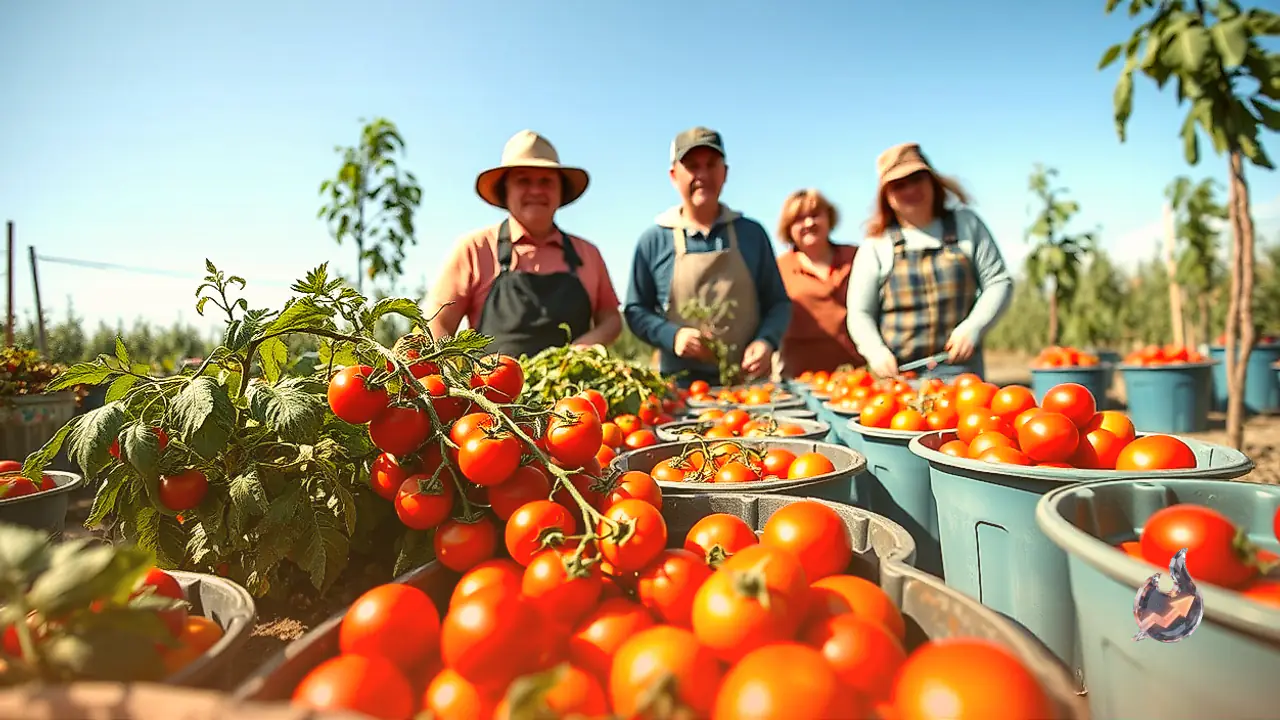














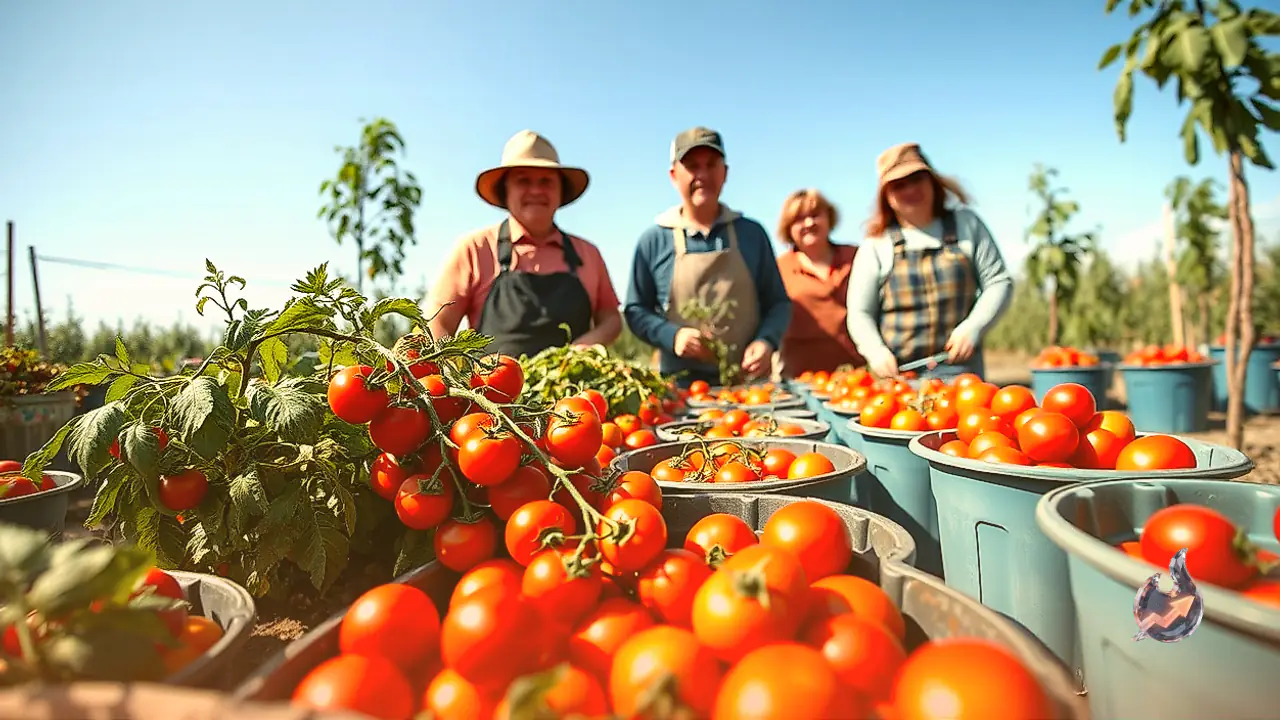

The arrival of October brings the ideal gardening season for planting tomatoes at home in pots, coinciding with the sowing of mustard and gram crops. If you are passionate about home gardening, setting up tomato plants in containers on your rooftop or balcony can yield a magnificent harvest. With proper care, fruits begin to appear within 40 to 55 days of planting, meaning you can enjoy fresh organic tomatoes by December and January. Tomatoes are packed with powerful antioxidants such as vitamin C, vitamin A, potassium, fiber, and lycopene, making them an essential and healthy addition to your diet. Cultivating vibrant, juicy red tomatoes requires following a few specific care tips and techniques. If you do not have large flower pots or specialized grow bags handy, you can easily use old buckets or household containers to grow your tomato plants.
Choosing the Right Season and Soil Mix
Tomatoes are cultivated three times a year, but the October-November window is widely considered the best season as the cold weather helps the crop mature properly. Growing this crop at home is simple and can be managed easily on balconies and rooftops using large pots, trays, old buckets, or even plastic bottles, provided the container is at least 12 to 14 inches deep. To prepare the saplings, source high-quality seeds and mix 50 percent garden soil with 40 percent cow dung manure or vermicompost. Blend in small amounts of mustard cake, neem cake, a pinch of lime, and turmeric powder to enrich the soil. Mix everything thoroughly and ensure that the pot has proper drainage holes at the bottom to prevent waterlogging.
Sowing Seeds and Transplanting Saplings
Gardeners can use small paper cups filled with a prepared mix of cocopeat and vermicompost or cow dung manure, ensuring small drainage holes are punched at the base. Alternatively, seedling trays can also be utilized for starting the plants. Scatter the tomato seeds into the pot or press them slightly into the soil inside a seedling tray, covering them with a thin layer of soil before giving a light watering. You can also skip the seed stage and directly bring 20-day-old saplings from a nursery to plant in your pots. When growing plants from seeds, keep the container in mild sunlight for the first two to three days and nourish the baby plants with onion water. Later, shift them to a spot receiving 8 to 10 hours of sunlight daily. Once the plants grow 4 to 5 inches tall or develop four to five leaves, transplant them into larger containers.
Tomato plants should be spaced about four to five inches apart inside the pot, with a maximum of three to four plants placed in a single large container or grow bag. Keep monitoring the plants and avoid overwatering; water only when the top layer of the soil feels dry. Additionally, replenish the soil with cow dung or vermicompost every 10 days to boost rapid growth. Since tomato stems lack natural rigidity, tying them to a wooden support stick as they grow taller is crucial. This support should be provided before flowering or around 20 to 25 days after planting. Pruning is equally important to make the plant bushy; remove the lower side shoots, known as suckers, as they emerge near the soil line. A bushier plant produces more flowers, which ultimately leads to a much higher yield of tomatoes.
Root Filling, Fertilization, and Pest Control
Maximizing the fruit yield from your tomato plants requires providing optimal nutrition directly to the roots. Gently loosen the topsoil in the pot and apply calcium powder along with vermicompost around the roots. If calcium powder is unavailable, agricultural lime can be used as a substitute. Cover the nutrients with soil and avoid watering immediately after root filling, waiting a full eight days or until the soil is completely dry before watering again. You can also utilize PROM fertilizer to enhance growth. Tomato plants rarely suffer from severe pest attacks, but if insects appear, spraying organic neem oil serves as an effective remedy. It takes approximately 100 days, or a full three months, for the tomatoes to ripen completely on the vine, rewarding your efforts with fresh red fruit.