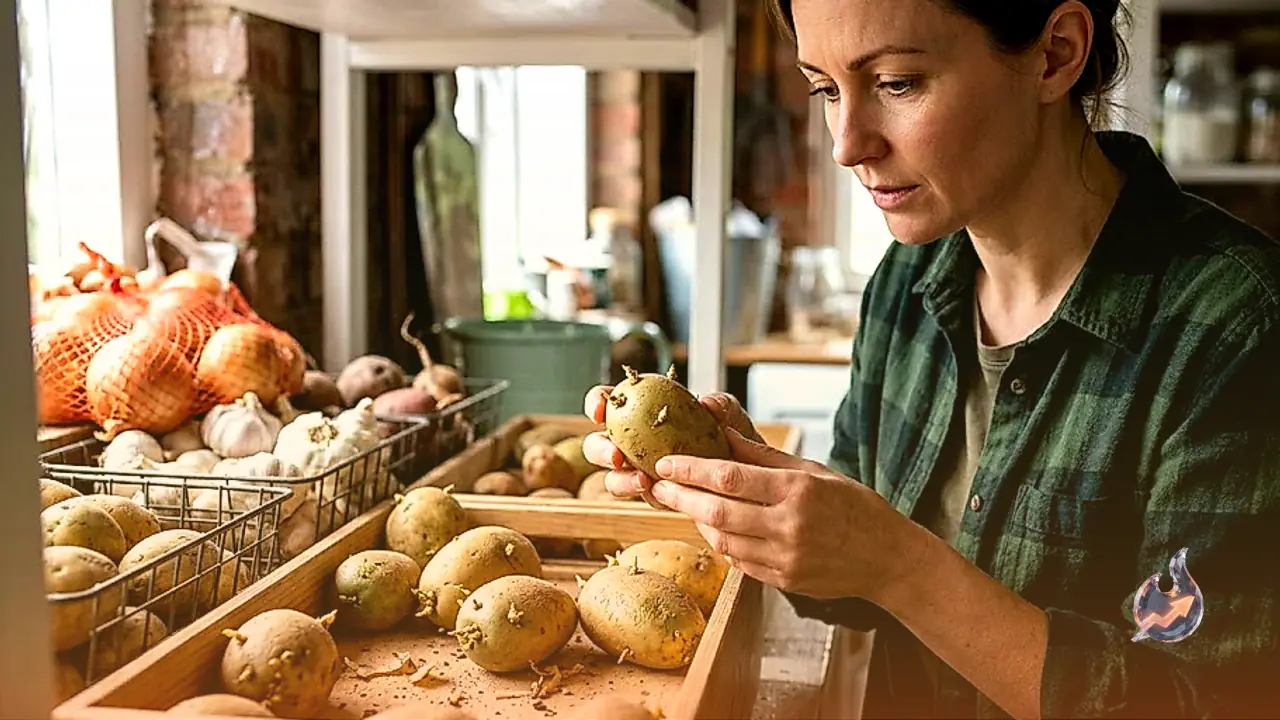























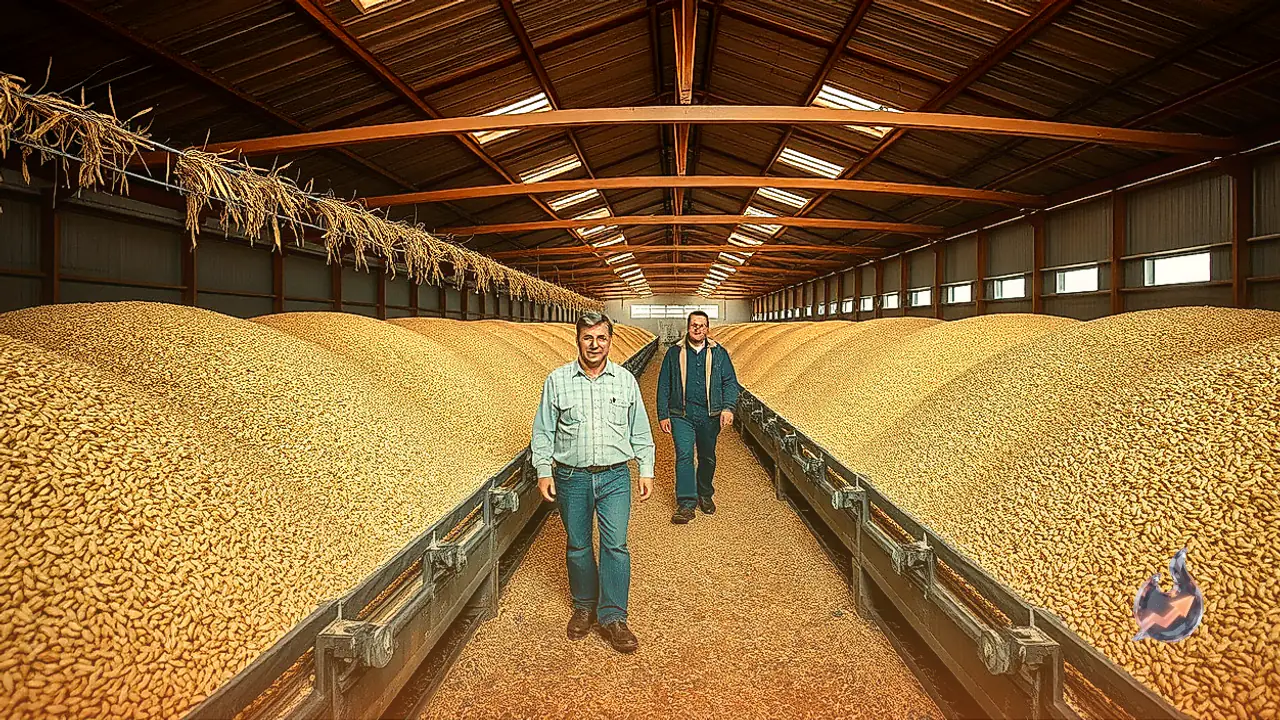

Harvesting ripe crops from agricultural fields represents only half the journey; preserving the harvested produce methodically is equally vital for protecting agricultural investments. When stored grains retain excess dampness or lack adequate post-harvest handling, fungal colonization and insect infestations can quickly deteriorate the entire stock. Such spoilage severely compromises commercial quality and leaves producers facing steep financial losses. In the absence of proper storage awareness, growers often feel compelled to offload their hard-earned produce prematurely at distressingly low market rates.
Crucial Role of Moisture Control in Long-Term Storage
According to Dr. Priyanka Singh, a specialist in the Seed Science and Technology Department at Krishi Vigyan Kendra Bahraich, verifying moisture percentages remains the foremost operational requirement before loading grains into holding bins. When planning extended preservation for paddy, internal grain dampness must strictly range between 9 and 11 percent. Even under absolute upper limits, paddy can only remain structurally and biochemically sound up to a maximum moisture threshold of 12 percent.
If crops enter holding facilities with surplus dampness, closed environments foster rapid fungal growth. Simultaneously, stored-grain pests such as weevils, grain borers, and lesser grain pests proliferate exponentially. This dual infestation degrades nutritional and milling quality, rendering the yield unacceptable to wholesale buyers and slashing market valuations.
Effective Sun-Drying Protocols After Harvesting
Exposing freshly threshed grains to intense sunlight serves as an indispensable step in safeguarding harvest reserves. Before spreading out the grains, agriculturalists must thoroughly sweep and cleanse the drying floor to eradicate residual dust, debris, or dormant pest larvae. Once the surface is sanitized, the produce should be spread out evenly in direct, intense sunshine across 2 to 3 days.
Drying must continue systematically until internal water levels fall strictly within permissible scientific parameters. Grains should only be moved into grain bins or hermetic sacks after achieving optimal dryness and cooling down to ambient outdoor temperatures. This natural thermal treatment halts mould spores, deters insect colonies, and prolongs the viability of consumer grains over extended cycles.
Traditional Testing Methods Versus Modern Moisture Meters
Homemakers and small-scale cultivators can rely on practical sensory checks without purchasing specialized gadgets. For instance, when wheat grains crack with a distinct sharp snapping sound between teeth, it demonstrates adequate dryness. A similar tactile assessment can be applied to paddy and pulses by pressing or fracturing kernels to evaluate residual dampness.
Conversely, progressive farmers handling commercial harvest quantities and managing community storehouses can rely on portable moisture meters. These analytical handheld devices are readily accessible in commercial markets, typically priced around 1,000 to 1,500 rupees. By monitoring internal moisture levels through systematic drying and testing, farmers effectively shield their harvests from fungus and borers, allowing them to release inventory at peak pricing windows to maximize agricultural income.