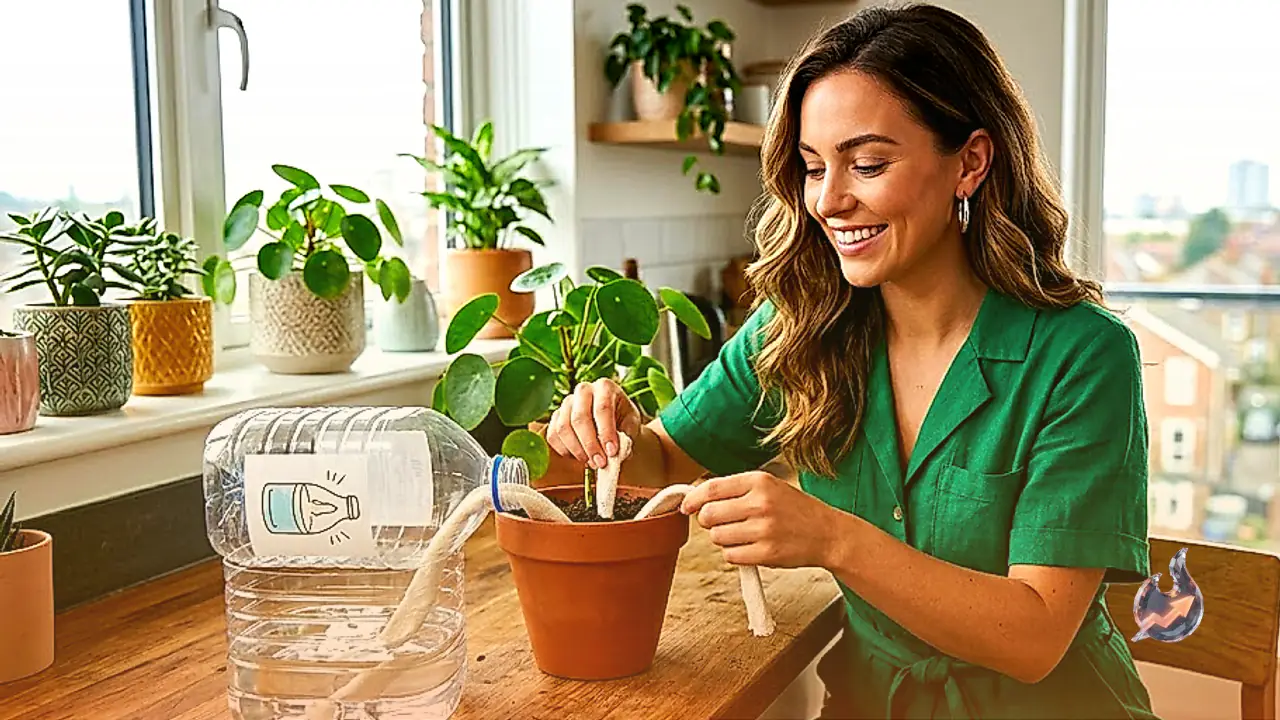





















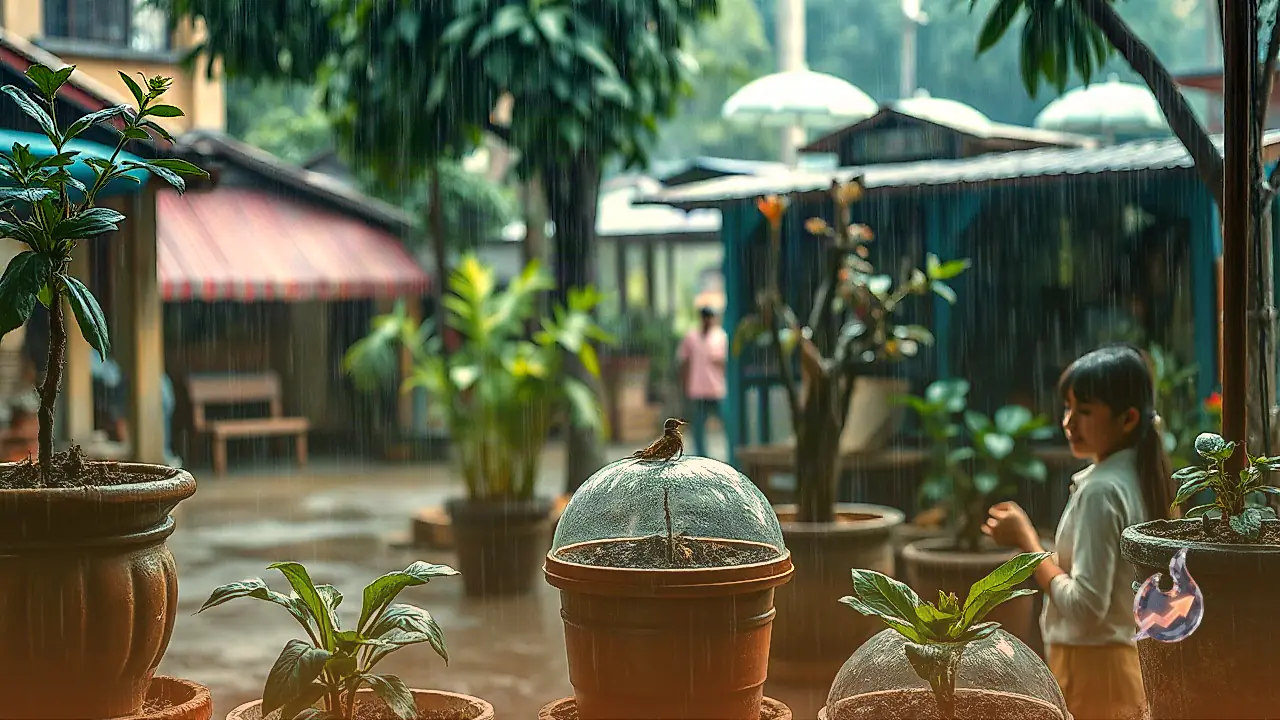

Terrace and balcony container gardening is a cherished hobby for many nature enthusiasts. Green plants not only enhance the aesthetic appeal of a residential space but also provide mental tranquility. However, during the monsoon season, gardeners frequently observe that their potted plants begin to turn yellow, wither, and rot instead of flourishing. If your home garden is suffering during this rainy phase, understanding the primary causes and implementing expert-recommended solutions can effectively preserve your greenery.
Primary Reasons Why Potted Plants Deteriorate in Rain
The foremost reason for the degradation of potted plants during the rainy season is waterlogging within the container. When rainwater remains stagnant in a pot, the persistent moisture turns the soil slick and compacted. This compaction blocks the flow of oxygen to the root system, preventing the roots from breathing. In addition, the humid conditions during monsoon trigger a rapid surge in pest attacks.
White pest infestations are particularly prevalent during the rainy months. These white insects initially infest the upper surfaces of the plant before penetrating down into the root zone. As the roots get damaged, the plant stems and foliage gradually turn yellow and decay, ultimately leading to the destruction of the entire plant.
Insights from Bhagalpur Plant Protection Department
An officer from the Plant Protection Department in Bhagalpur provided detailed insight into this recurring agricultural challenge. Managing container gardens or home vegetable patches is straightforward during dry spells because water can be regulated based on the plant's specific needs. Conversely, the monsoon brings continuous moisture that is difficult to control naturally.
Since potted plants are typically kept in open-air spaces, they accumulate rainwater continuously. This unchecked accumulation causes root rot and allows pests to weaken the root structure beneath the soil. Implementing preventive care as soon as the rainy season starts is essential to avert complete plant failure.
Organic Soil Treatments and Pest Control Remedies
The plant protection officer emphasized that organic treatments offer the safest and most efficient remedy against seasonal pests and fungal decay. To eliminate surface pests clinging to stems and leaves, spraying neem oil across the affected foliage is highly effective.
For root-level protection and soil nutrition, a powerful natural mixture can be applied. Gardeners should combine neem cake, mustard cake, and well-rotted cow dung manure into the potting soil near the base of the roots. This organic blend neutralizes root-damaging pests, enhances soil texture, and supplies vital nutrients to restore plant health.
Managing Drainage Holes and Insect Traps
Ensuring proper drainage is the most vital step in preventing container soil from decaying. Gardeners must confirm that the drainage hole at the base of every pot remains completely unblocked so excess water can escape freely. If drainage is impaired, standing water begins decomposing the potting medium, fostering root rot and insect larvae.
If a pot lacks proper drainage, immediate action should be taken to clear or drill adequate holes. Additionally, yellow and blue sticky traps can be installed around garden pots to capture airborne pests. However, the plant protection officer cautions that these traps should be used judiciously, as beneficial environmental insects crucial for the ecosystem can also get trapped and killed alongside target pests.