






















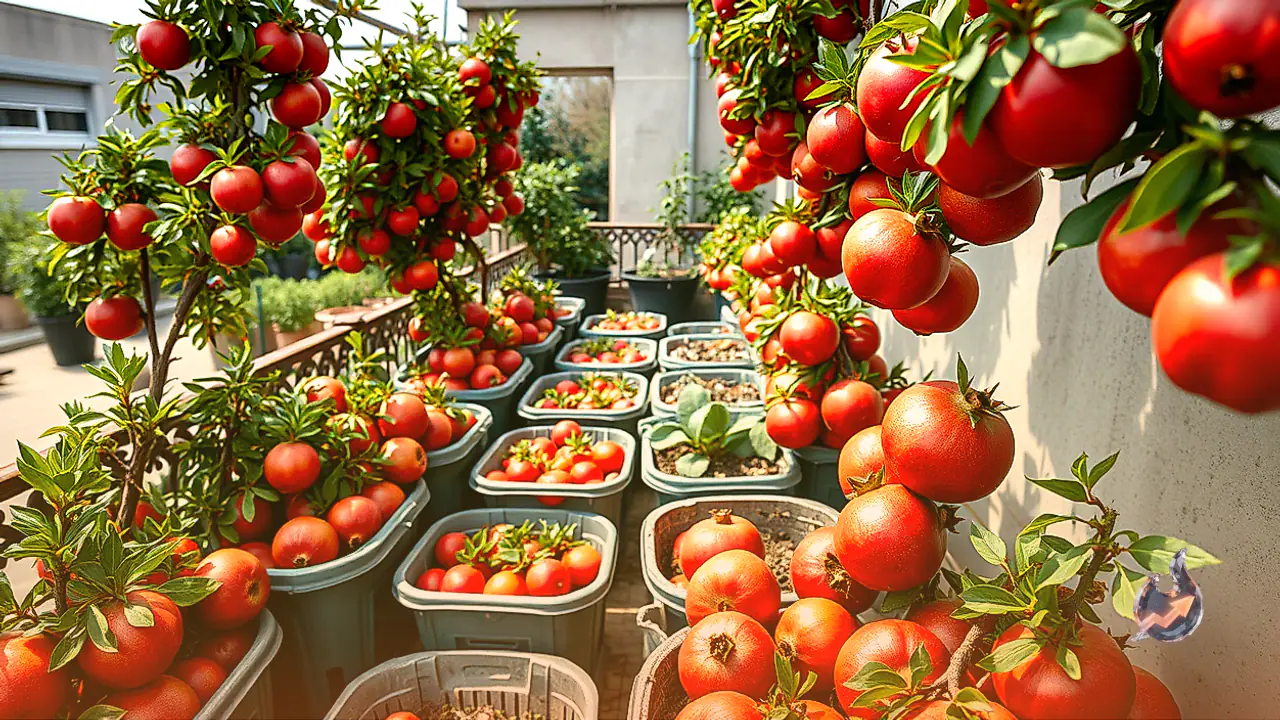

Plant enthusiasts often limit their balcony or rooftop gardening to seasonal flowers and ornamental greens, believing fruit trees require vast agricultural plots. However, cultivating fruiting plants in confined domestic spaces is entirely achievable with the right approach. Pomegranate stands out as a remarkably nutritious fruit packed with essential antioxidants, dietary fiber, and vitamins. The plant is inherently well suited to Indian weather conditions and demands considerably less maintenance compared to many other fruit varieties. Without needing an expansive yard, you can successfully establish a flourishing pomegranate tree on your balcony by arranging a proper pot, well-draining soil, adequate sunshine, and controlled moisture.
Selecting a Robust Nursery Sapling Over Seeds
For individuals venturing into pomegranate cultivation for the first time, purchasing an established, healthy sapling directly from a plant nursery is a far more reliable alternative than germinating seeds. When browsing at a nursery, prioritize specimens that display vibrant green foliage and a sturdy central stem. Inspect the foliage and branches meticulously to confirm there are no visible traces of pests, fungal infestations, or underlying diseases. Starting with a vigorous sapling significantly improves the survival rate and accelerates future fruit development.
Opting for Spacious Containers with Adequate Drainage
The root system of a pomegranate bush requires ample room to expand both downward and outward. Consequently, planting it in a cramped or shallow pot will quickly restrict its growth. Instead, opt for a large container, a heavy-duty plastic bucket, or a repurposed drum. It is critical that the selected vessel has sufficient drainage holes drilled into the base. Without unobstructed outlets, excess irrigation water will stagnate around the root zone, creating conditions that lead to severe root rot.
Formulating an Airy and Nutrient-Rich Potting Mix
Pomegranates thrive best in soil structures that allow excess moisture to percolate freely. You can assemble an optimal growing medium by blending regular garden soil with coco peat alongside vermicompost or thoroughly decomposed farmyard manure. This combination maintains structural porosity while preserving just enough moisture and organic fertility. If you intend to amend the soil with agricultural lime, be sure to assess the actual necessity and check the current soil pH prior to application.
Proper Planting and Settling Techniques
When filling the chosen container with your prepared potting mix, position the root ball gently in the center. Carefully pack the substrate around the roots, pressing down lightly with your fingers to eliminate large air pockets while avoiding heavy soil compaction. Incorporating dry leaves into the soil blend can effectively elevate organic matter content, provided it does not impede the free drainage of water through the pot.
Sunlight Requirements for Optimal Growth
Direct solar radiation is a fundamental requirement for the healthy progression and flowering of a pomegranate shrub. Place your container in a location on the balcony or terrace that receives roughly 6 to 8 hours of uninterrupted direct sunlight daily. Consistent exposure to sunlight drives photosynthesis, strengthens branching, and directly promotes the setting of blossoms and eventual fruit.
Balancing Irrigation and Nutritional Inputs
Irrigation must always be calibrated according to current soil conditions rather than a rigid calendar schedule. Prior to adding water, check the moisture level of the topsoil with your fingers; if dampness remains evident, postpone watering until the upper layer dries out slightly. During active growth phases, supplement the soil with organic fertilizer once or twice a month as required. Refrain from dumping raw kitchen waste straight into the container; instead, enrich the plant using fully aged compost.
Pest Management and Safe Organic Controls
Should pests make an appearance on the leaves, conduct an immediate inspection of the entire foliage canopy and prune away heavily infested parts. When corrective action is warranted, apply a neem-based organic pesticide strictly following the dosage instructions outlined on the product label. Always conduct a spot test on a few isolated leaves before spraying the entire plant, and avoid administering treatments during periods of intense afternoon heat to prevent foliar scorch.
Structural Pruning and Long-Term Maintenance
Because container plants operate within restricted physical boundaries, routine pruning is necessary to shape the bush and optimize light penetration. Systematically remove dead, feeble, or overlapping branches that obstruct airflow. Manage the overall vertical height with thoughtful cuts, enabling sunlight and air circulation to reach the deep inner canopy. Pomegranate fruiting timelines depend heavily on plant maturity, variety, climate, and maintenance quality. With steady attention to moisture, fertilization, sunlight, and pruning, your potted balcony pomegranate will thrive as both an ornamental asset and a provider of fresh fruit.