





















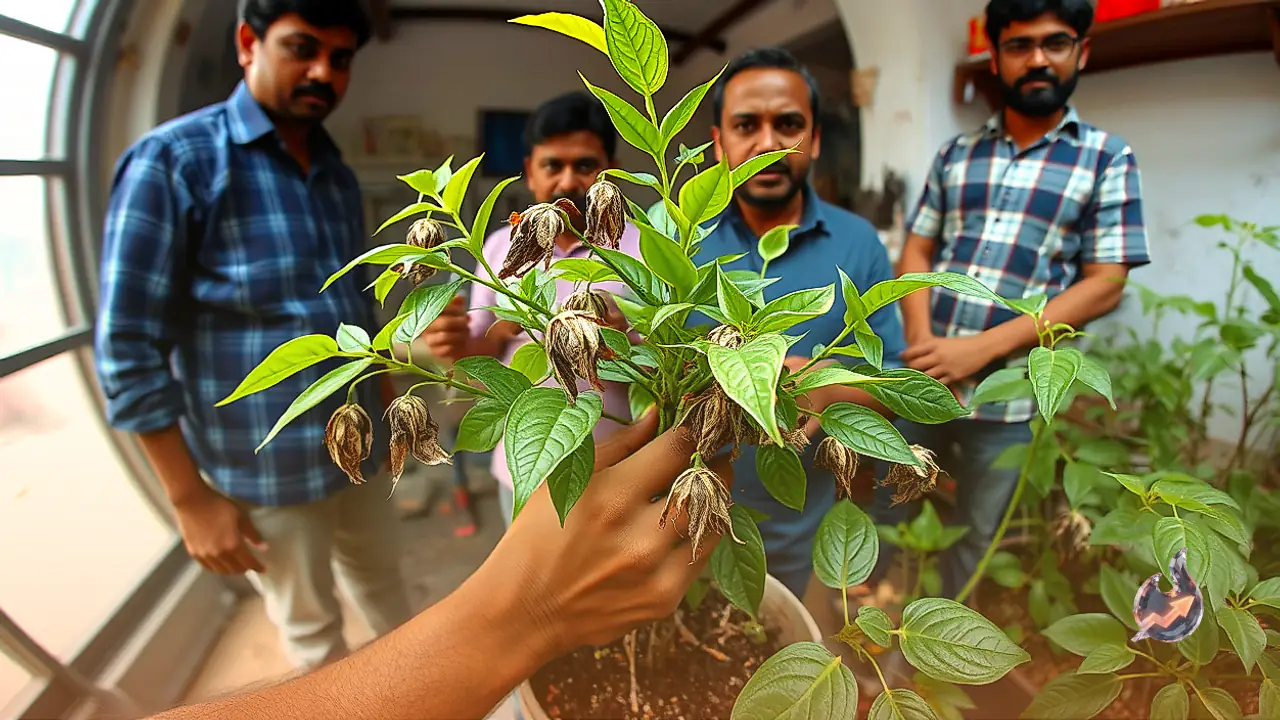

Watching a cherished indoor or garden plant begin to droop and lose its foliage is a common frustration for plant owners. When green leaves turn dull and brittle, many people assume that the plant is dead and promptly throw the pot away. However, browning foliage does not necessarily mean the end of the plant's life cycle. Wilting can stem from a wide variety of underlying issues, including excessive watering, severe dehydration, poor container drainage, depleted soil nutrients, fungal infestations, or pest attacks. According to gardening expert Chandrashekhar Mishra, before attempting any revival techniques, it is essential to determine whether the plant has genuinely perished or whether viable life still remains within its root network and stem tissue.
The Scratch Test: Verifying Vitality in Stems and Root Systems
When foliage turns dry and begins to drop, the plant often looks entirely lifeless from the outside. Rather than making a hasty assumption, gardeners should perform a simple scratch test on the primary stem. Carefully scrape away a tiny section of the outer bark using a fingernail or a clean knife edge. If you observe a layer of green, moist tissue directly beneath the bark, the internal vascular structure remains active and the plant is still alive. In addition, inspect the subterranean condition by gently brushing away surface soil to examine the roots. Firm, intact roots that show no signs of mushy decay indicate that the plant possesses the physical foundation needed to recover. Conversely, if the stem proves brittle, hollow, and completely brown all the way through, and the roots have disintegrated into a foul, rotting mass, the chances of reviving the specimen are extremely low.
Pruning Dead Branches to Redirect Crucial Plant Energy
Once living tissue is confirmed, the next essential intervention is sensible pruning. Utilizing a sharp, sanitized pair of pruning shears or garden scissors, systematically cut away all fully desiccated leaves, dead flower heads, and withered branch tips. A struggling plant expends considerable energy attempting to sustain compromised tissue. Removing dead vegetation allows the specimen to conserve its metabolic resources and channel them exclusively into viable nodes and the generation of fresh shoots. If the uppermost section of a main branch has dried out entirely while the lower segment remains green, trim away only the brittle portion. Avoid excessive or aggressive cutting, as removing too much healthy growth at once can place the weakened plant under profound shock. Preserving the maximum amount of viable green tissue while eliminating dead weight is the best approach.
Irrigation Balance: Overwatering Versus Chronic Underwatering
A widespread mistake among plant keepers is the immediate urge to drench a drooping plant with heavy amounts of water. Wilting is not an exclusive indicator of thirst. In reality, overwatering is one of the leading causes of plant mortality in domestic settings. Excess moisture saturates soil air pockets, suffocating the roots and inducing root rot, which in turn causes the leaves to yellow and wilt from an inability to absorb moisture. If the potting mix feels continually soggy, suspend all watering immediately and inspect the drainage holes at the base of the container to ensure excess water can freely escape. Conversely, if the potting medium has contracted, hardened, and dried out completely, reintroduce water slowly and in measured increments. Tailoring your watering routine precisely to the individual specimen's physiological needs and seasonal conditions is fundamental to plant revival.
Soil Exhaustion, Root Inspection, and Organic Amendments
Confined to the same pot over extended periods, soil gradually loses its structural integrity and vital micro-nutrients. When potting soil becomes excessively compacted, prevents water from penetrating beneath the surface, or emits an unpleasant sour odor, it has ceased to provide a healthy growing environment. Under these circumstances, carefully extract the plant, examine the root ball, and consider repotting with fresh soil. Prepare a porous potting mix that guarantees swift drainage, blending in quality vermicompost or thoroughly decomposed organic manure. However, caution must be exercised with fertilizer volumes. Supplying excessive fertilizer to an already stressed plant can elevate soil salinity and burn fragile new root hairs. Nutritional inputs must remain modest and strictly balanced until the plant demonstrates clear signs of sustained recovery.
Addressing Fungal Outbreaks and the Limits of Home Remedies
The appearance of white powdery mold across the soil surface or visible soft rot along the base of the stem signals a fungal issue driven by persistent dampness. Immediate action is required to regulate moisture levels. Relocate the pot to a well-ventilated space with ample natural light, and refrain from watering until the top layer of the potting medium dries out completely. Some gardening enthusiasts dust a light layer of ground cinnamon powder across the soil surface as a home-based topical measure. While cinnamon can serve as an accessible mild antifungal deterrent for minor surface mold, it cannot cure severe systemic rot. When a fungal outbreak poses an existential threat to the plant, home remedies are insufficient, and gardeners should consult specialized botanical guidance to apply an appropriate, dedicated plant fungicide.
Utilizing Banana Peels: Proper Composting Versus Direct Application
Kitchen waste such as banana peels can offer organic value, but application methods make a significant difference. Rather than discarding peels, cut them into small fragments and incorporate them into a compost heap. Burying raw, unprocessed banana skins directly into small container soil in large quantities is discouraged, as decaying organic matter attracts soil pests and promotes mold proliferation within the pot. Fully finished compost is far safer and more bioavailable. Furthermore, while steeping banana peels in water to produce a nutrient-infused liquid is a popular practice, such solutions must not be applied excessively or too frequently. Liquid peel extracts function merely as mild supplemental inputs and should never be mistaken for a curative treatment against serious physiological disorders or root rot.
Air Circulation, Sunlight Calibration, and Pot Placement
Proper environmental exposure plays a decisive role in nursing a weakened plant back to health. Because every plant variety possesses distinct photoperiod and intensity requirements, placement must be customized to the specific species. Avoid placing a fragile, recovering plant directly under scorching, intense midday sun, as direct heat can quickly scorch sensitive leaves and dehydrate vulnerable tissues. Instead, position the plant in bright, indirect light or mild morning sunshine. Furthermore, clustering pots too tightly together creates pockets of stagnant air and elevated humidity, encouraging pest infestations and fungal spores. Ensure sufficient spacing between containers to foster unobstructed airflow, and keep the soil surface clean by removing shed, decaying foliage on a regular schedule.
As gardening expert Chandrashekhar Mishra emphasizes, rescuing a declining plant starts with diagnosing the actual root cause rather than applying generic treatments. Indiscriminately pouring water or dumping chemical fertilizers onto an ailing pot will not solve systemic issues. Root damage can stem from drowning just as easily as dehydration, making a comprehensive inspection of roots, stems, soil texture, foliage, and pest activity indispensable. Once the true problem is pinpointed, systematically calibrate watering, pruning, soil aeration, light exposure, and nutrient feeds to match the plant's precise needs. With patient observation and timely corrective care, even severely weakened houseplants can generate vibrant new buds, healthy stems, and lush green leaves.