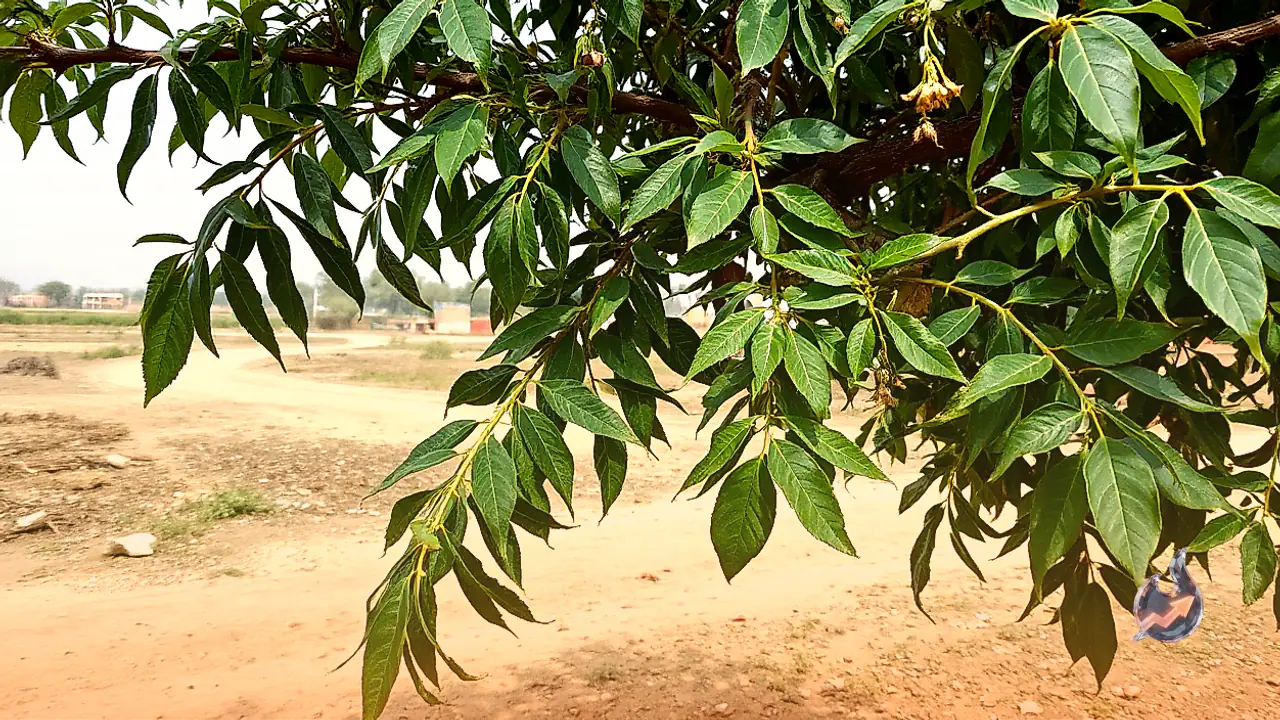





















While sweet potato tubers are widely cherished across India as a winter staple, the nutrient-dense foliage of the plant is also stepping into the culinary spotlight through regional traditions. In the Chhatarpur district of Madhya Pradesh, sweet potato leaves are transformed into a nourishing preparation traditionally blended with lentils. Known locally as Darbhajiya, this home-style dish serves as a seasonal comfort food designed to keep the body energized during chilly weather, offering an authentic glimpse into the resourceful cooking heritage of rural households.
A Winter Boom for Traditional Leafy Greens
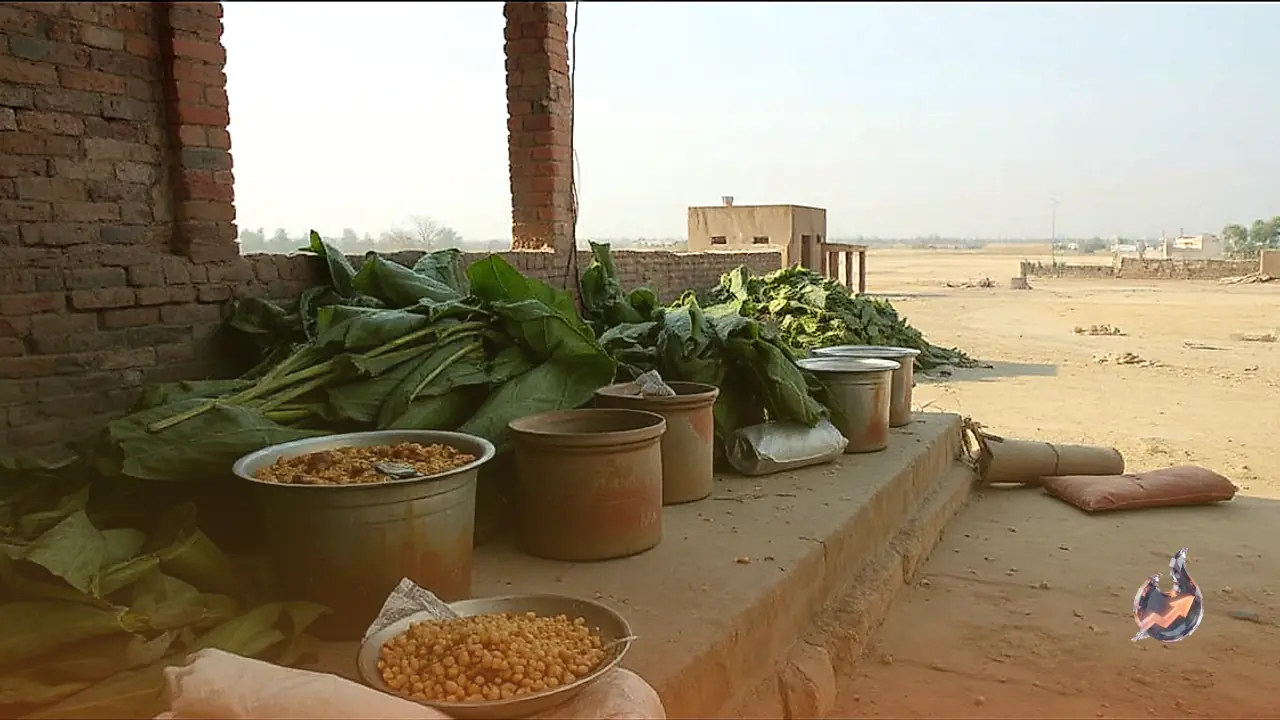
The culinary calendar in Chhatarpur features various indigenous greens throughout the year, but the arrival of the cold season triggers an extraordinary variety on daily menus. Traditional options such as Naurpa greens and tender chickpea greens become widely available exclusively during winter. Sweet potato leaves naturally join this winter lineup as a favored seasonal choice. Ranu Soni notes that the cooler months bring out the highest consumption of leafy greens, with regional kitchens utilizing local flora known to support bodily vitality during dropping temperatures.
Absence from Commercial Markets and Ease of Home Gardening
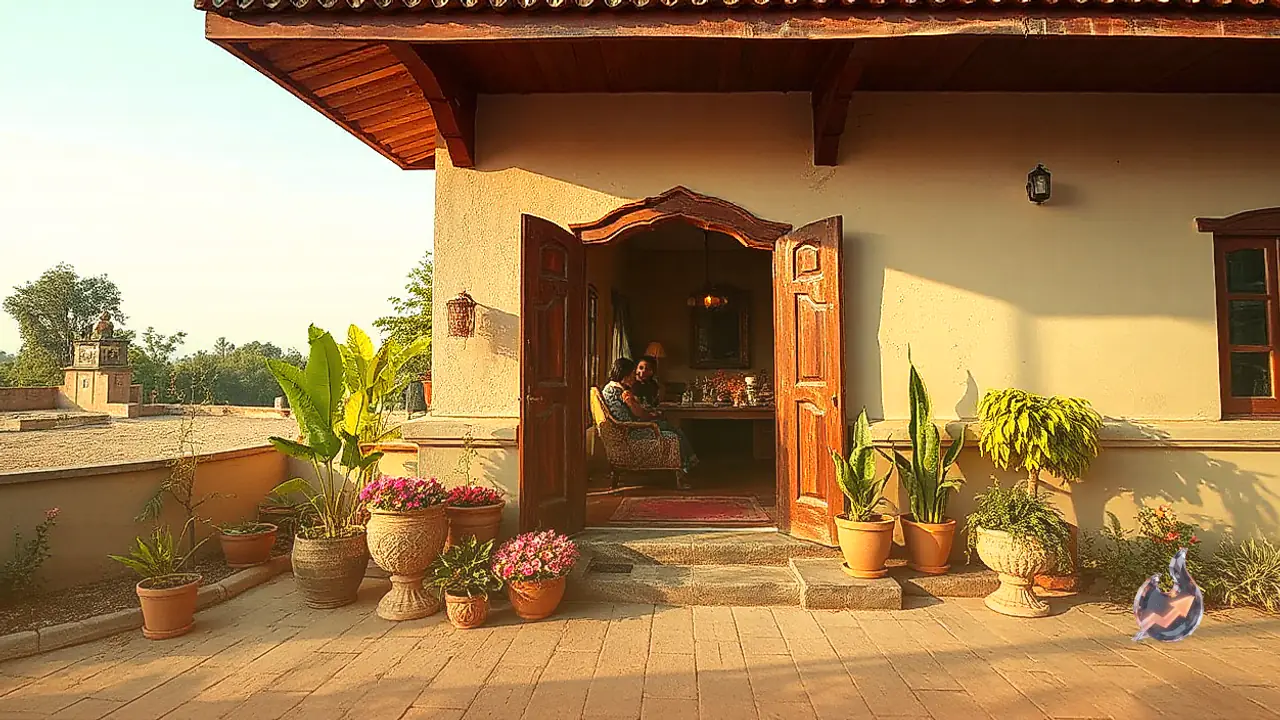
Fresh sweet potato greens are rarely found on commercial vegetable vendor carts or in bustling grocery markets. A lack of widespread consumer awareness regarding the culinary use of these leaves means market demand remains minimal, leaving urban populations largely unfamiliar with the delicacy. In contrast, family traditions keep the practice alive in regional towns. Soni recalls growing up eating these greens at her maternal home, where the vines were regularly cultivated. Following her marriage, she planted sweet potatoes alongside other vegetables in her courtyard garden. Cultivating this creeping vine yields a practical dual advantage: the roots deliver sweet potato tubers for roasting or boiling, while the lush foliage provides an ongoing harvest of tender leaves for fresh curries.
Nutritional Value and Seasonal Health Advantages
Although sweet potato foliage can technically be harvested and prepared across all seasons, its consumption is considered especially beneficial in the winter months. Much like spinach, sweet potato leaves contain notable levels of dietary iron, contributing directly to general nourishment. Furthermore, traditional domestic understanding attributes a warming character to this green, which helps household members withstand cold spells and ward off common respiratory discomforts like coughs and colds. These functional health properties make it a trusted seasonal home remedy in regional kitchens.
Traditional Preparation with Lentils and Garlic Tempering
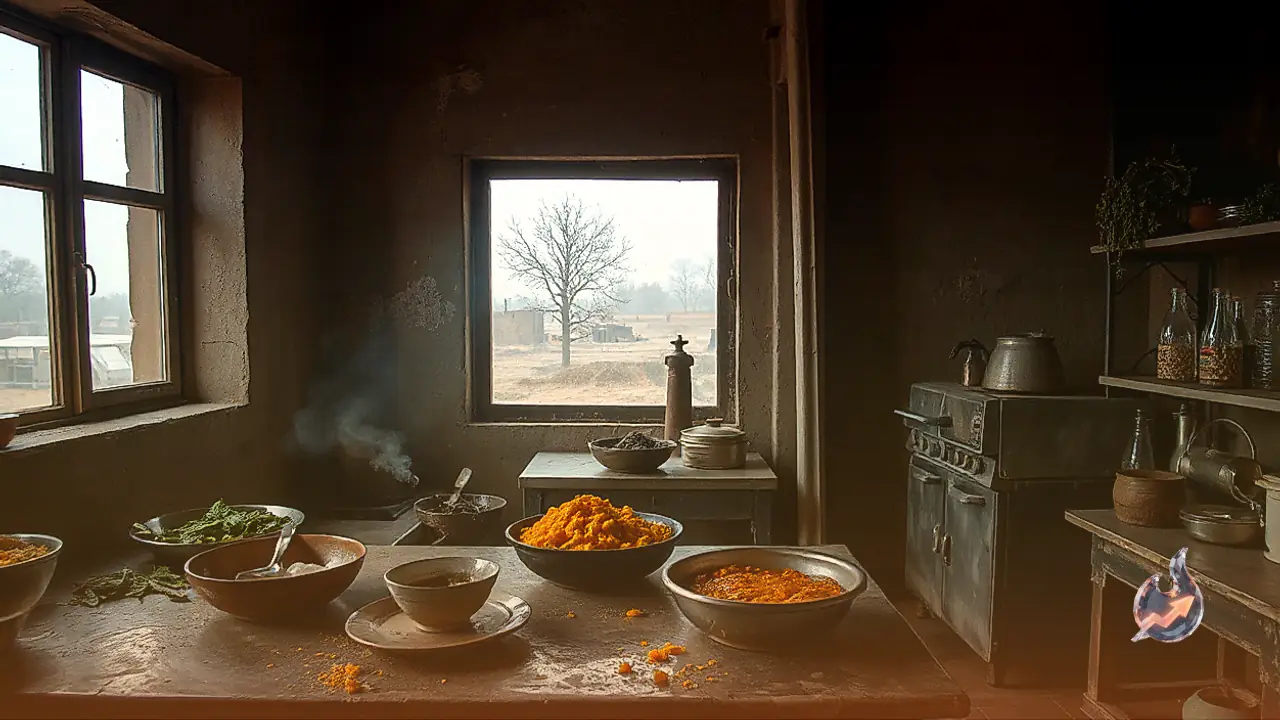
The culinary method for crafting Darbhajiya shares close similarities with the preparation of spiced chickpea greens. Freshly harvested leaves are thoroughly rinsed in clean water and finely chopped into small pieces. The chopped greens are then cooked alongside split lentils, with cooks typically opting for red lentils, mung beans, or pigeon peas depending on personal preference. To complete the recipe, the simmering pot receives a fragrant tempering dominated by aromatic garlic. The resulting dish maintains a soft, semi-gravy consistency rather than a dry stir-fry. It is this harmonious combination of leafy greens cooked down in soupy lentils that earned the dish its colloquial moniker, Darbhajiya.