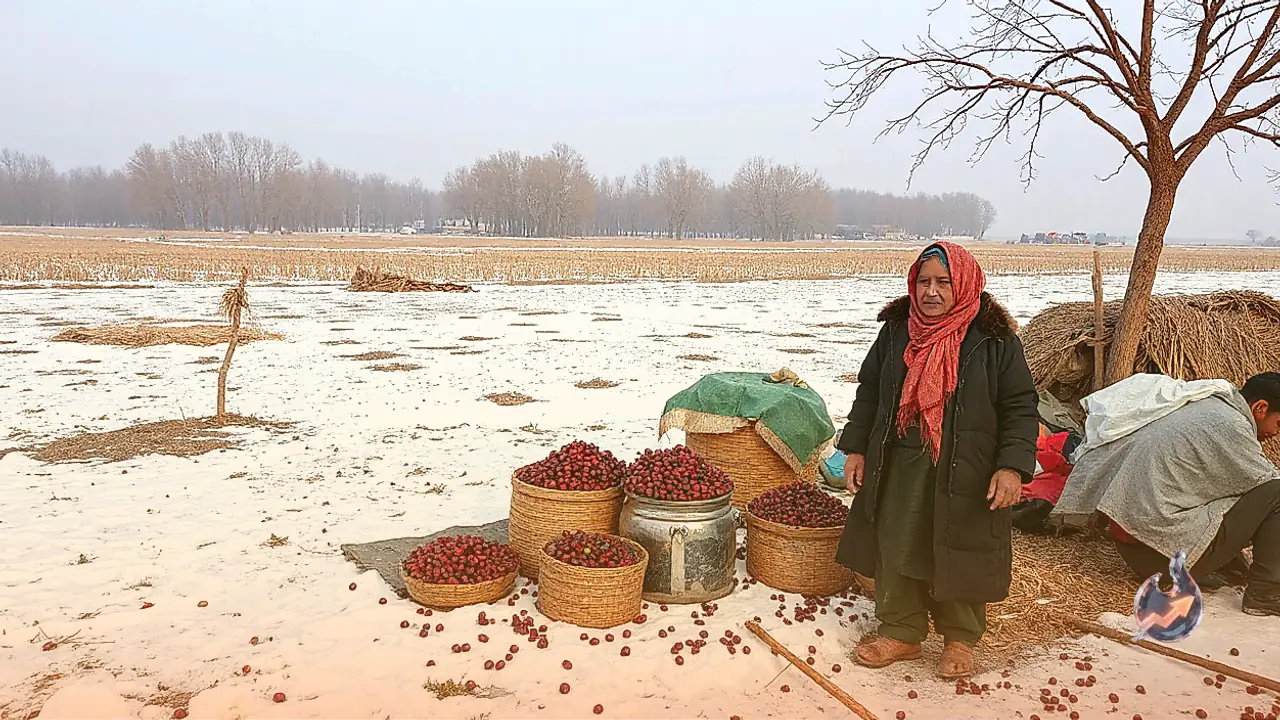







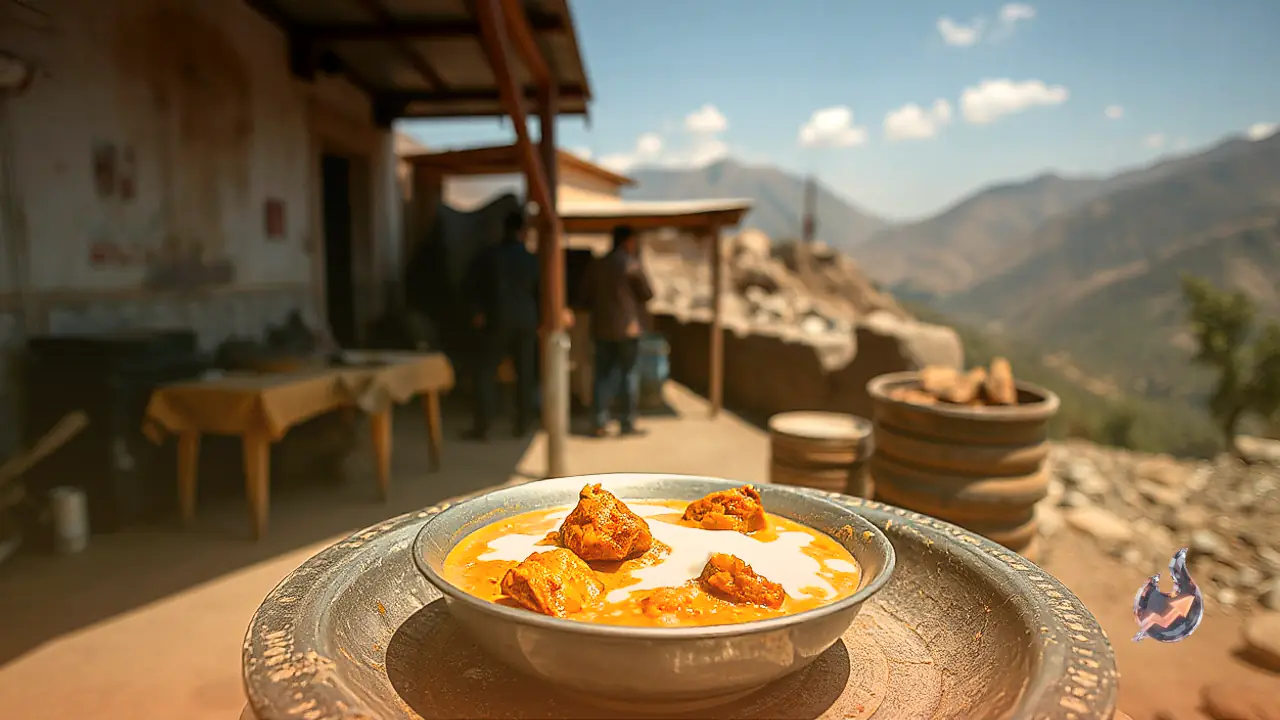















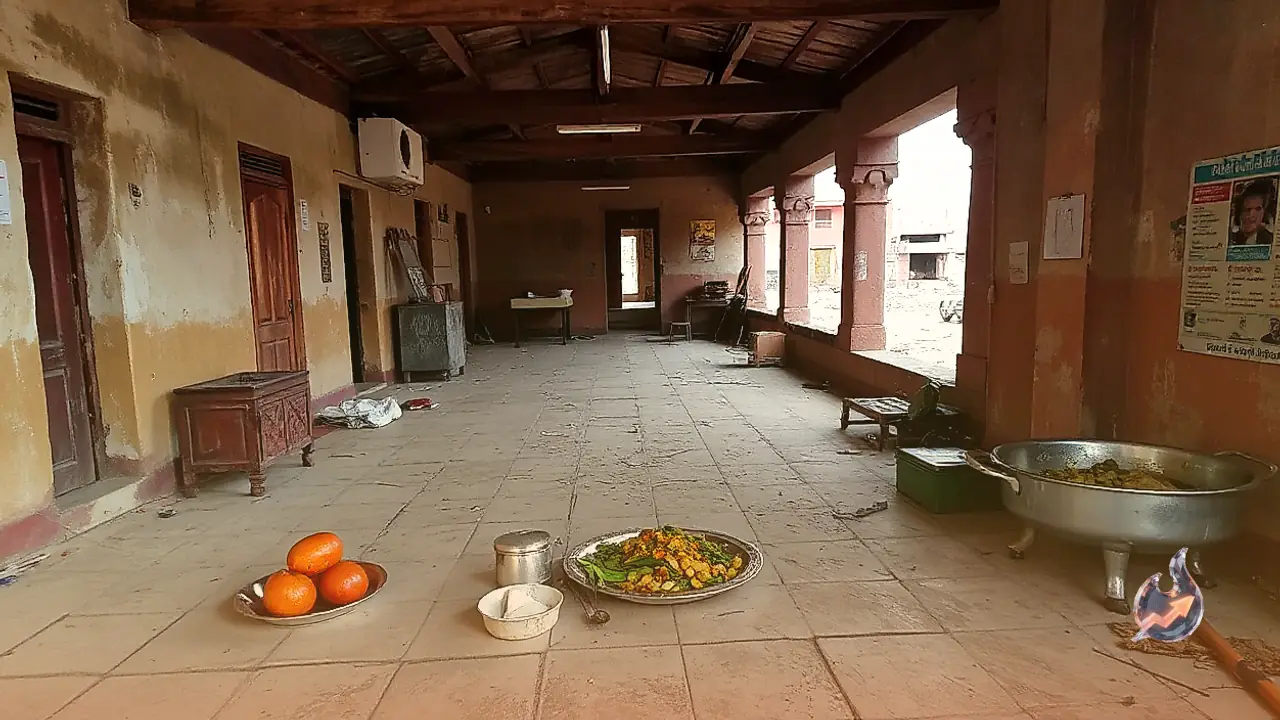

Deciding what to cook every day often becomes a repetitive challenge, especially when standard green vegetables no longer appeal to the household. During such times, regional Indian culinary traditions offer dependable and flavorful alternatives. The traditional kerunda preparation popular in Rajasthan, particularly across regions like Pali, provides an earthy, spicy, and tangy profile that effortlessly breaks everyday menu monotony. What makes this dish distinctive is its ability to deliver rich depth of flavor using very little cooking oil, or even entirely oil-free with water, fitting seamlessly into modern priorities around clean and hygienic eating.
A Healthful Preparation Rooted in Low-Oil Cooking
Unlike many rich vegetable curries that rely heavily on clarified butter or generous pours of oil, this preparation thrives on simplicity. Cooks can prepare it with merely one to two teaspoons of cooking oil or replace oil altogether with splashes of water and tomato puree. When tempered with garlic, diced onions, tomatoes, and sharp green chillies, kerunda releases an inviting aroma that immediately stimulates appetite. Beyond its taste profile, the fruit offers considerable nutritional merits. It serves as a natural source of vitamin C, iron, and dietary antioxidants, all of which contribute positively toward strengthening digestive functions and invigorating sluggish eating habits.
Ingredients Needed for the Dish
Preparing this authentic Rajasthani preparation requires basic kitchen staples that are straightforward to assemble
- Kerunda: 250 grams (thoroughly washed and slit down the center)
- Tomatoes: 2 medium-sized (finely chopped or ground into puree)
- Garlic: 7 to 8 cloves (crushed in a mortar or finely pasted)
- Cooking oil: 1 to 2 teaspoons (optional; water can replace oil entirely for the initial tempering)
Essential Spices and Liquids for Flavor
Balancing the sharp sourness of kerunda requires a classic blend of dry spices and tempering aromatics
- Red chilli powder: Added to taste, or Kashmiri red chilli powder for vibrant color
- Mustard seeds or cumin seeds: Half a teaspoon for tempering
- Water: Half to one cup to braise the fruit and form a clinging sauce
- Pantry spices: Turmeric powder, coriander powder, common salt, and a pinch of asafoetida
Step-by-Step Cooking Instructions
Preparation begins with processing the produce. Take 250 grams of fresh kerunda, rinse them thoroughly under clean running water, remove any remaining stems, and slice a clean slit along the middle of each piece. This incision ensures that heat and spices penetrate deeply into the core during simmering. Next, place a pan or wok on the stove over medium heat and warm one to two teaspoons of oil. For a strictly oil-free variation, add a splash of water directly into the pan instead. Introduce half a teaspoon of cumin or mustard seeds along with a pinch of asafoetida to bloom.
Immediately incorporate the crushed garlic cloves and finely chopped onions into the pan. Sauté gently until the onions soften and take on a light golden color. Add the chopped tomatoes and sliced green chillies, followed by turmeric, red chilli powder, coriander powder, and salt. Cook this spice base thoroughly over moderate heat, stirring regularly until the mixture softens, homogenizes, and begins releasing its moisture or surface oil.
Once the base is aromatic, add the slit kerunda into the pan. Stir carefully to coat each piece evenly with the concentrated masala. Pour in approximately half to one cup of water, cover the pan with a tight lid, and lower the heat. Allow the dish to braise gently for 7 to 10 minutes. During this period, the fruit absorbs the savory spice blend and softens completely. Once the kerunda turns tender and the liquid reduces into a thick, clingy gravy, switch off the heat. Finish by garnishing with freshly chopped coriander leaves. This tangy preparation pairs exceptionally well with hot pearl millet flatbreads (bajra roti), standard wheat chapatis, or plain parathas.