























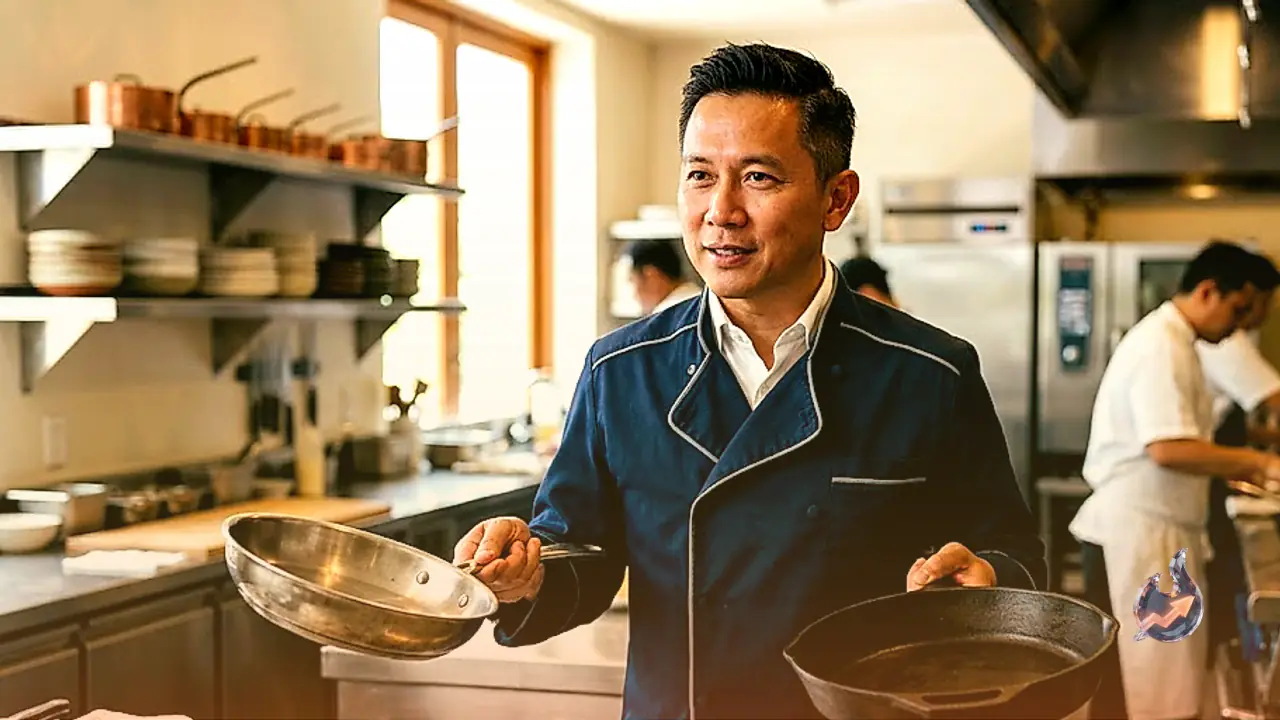

When preparing meals at home, many people operate under the assumption that investing in expensive non-stick pans, branded cookware, or modern kitchen gadgets will automatically make their food taste like it came from a high-end hotel. This mindset drives people to spend a significant budget on cookware when setting up a brand-new kitchen. However, does the secret to great flavor truly rely solely on high-end kitchenware? Master Chef Denny Koswara, who has worked in luxury hotels across the globe, holds a completely different view on the matter.
He points out that the biggest secret to crafting delicious food does not lie in costly pots and pans, but rather in selecting the right cooking vessel and the proper technique for each dish. Frequently, home cooks fall into the habit of preparing every type of recipe in the exact same skillet or wok, and this is where the biggest mistake happens. This minor oversight alters the flavor, texture, and overall quality of the meal. If you want everyday home-cooked food to carry a restaurant-quality taste, understanding a few simple principles is all it takes.
The Pitfall of Using One Pan for Everything
According to Chef Denny, the most common error is relying on a single pan or heavy pot for every single recipe. Every dish has its own unique set of requirements. If the cookware is unsuitable, the spices fail to release their true flavors, and the food turns out far below its potential. For instance, when making lentils, yogurt-based curries, or slow-cooked gravies, a heavy-bottomed pot works best because it distributes heat evenly. On the other hand, high-heat stir-fried vegetables or noodles require wide pans that heat up quickly.
Why the Right Cookware Changes Flavor
Cookware serves as more than just a vessel to hold food; it dictates how heat is transferred and dispersed throughout the ingredients. If heat fails to spread uniformly, certain parts of the dish will overcook while others remain underdone, negatively impacting both texture and taste. Heavy-bottomed pots heat up gradually and evenly, allowing spices in dishes like dal, biryani, pilaf, or thick gravies to cook thoroughly and develop a much deeper flavor profile.
When to Use High-Heat Pans
If your goal is to preserve the crispness of vegetables or prepare a quick-cooking dish, lightweight and wide pans prove far more useful. Cooking in these vessels prevents vegetables from releasing excess water and helps them maintain a vibrant, appealing color.
Three Essential Items for a New Kitchen
Chef Denny notes that there is no need to buy an overwhelming number of expensive utensils at the outset. Having three reliable items on hand makes it easy to master most recipes. A sharp and balanced chef knife drastically cuts down prep time and ensures uniform cuts, which contributes to better cooking. A high-quality pan lasts for years and handles a wide variety of recipes. Finally, a dependable gas stove or cooking range is crucial because precise temperature control plays a massive role in delicious cooking.
Another technique that can dramatically elevate flavor involves cooking over charcoal, as recommended by Chef Denny. He explains that charcoal heat infuses food with a subtle smoky flavor that standard gas burners cannot easily replicate. While daily execution is impractical for most households, applying this method on special occasions can take a meal to an entirely different level.
Appreciation for Indian Cuisine
Chef Denny also praised the rich diversity of Indian food, noting that every region across the country is celebrated for its distinct flavors and signature dishes. For those looking to understand Indian cuisine, he suggests starting with a simple vegetarian Indian recipe to properly grasp the nuances of traditional spices, flavors, and cooking styles.
In an era where people rush to purchase expensive cookware inspired by viral social media recipes, remembering expert advice remains essential. Great flavor stems primarily from proper technique and appropriate tools. Correcting small daily mistakes makes it entirely possible to produce restaurant-worthy dishes right in a standard home kitchen.