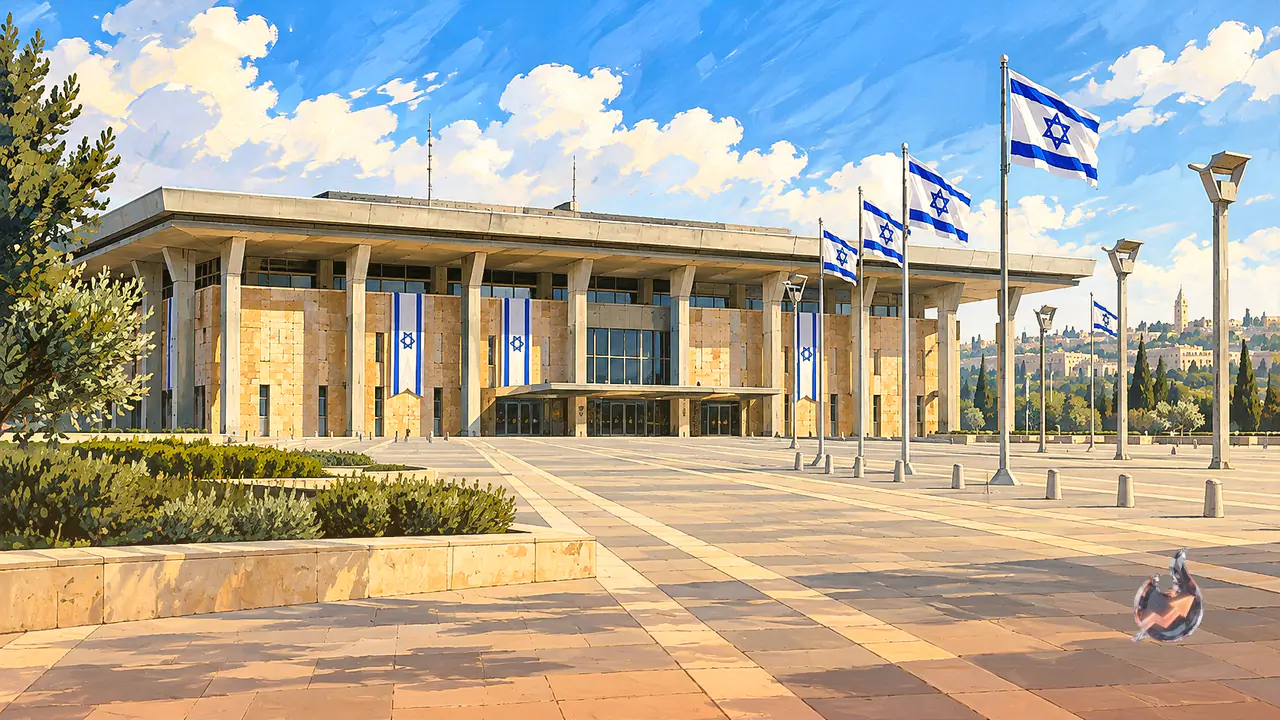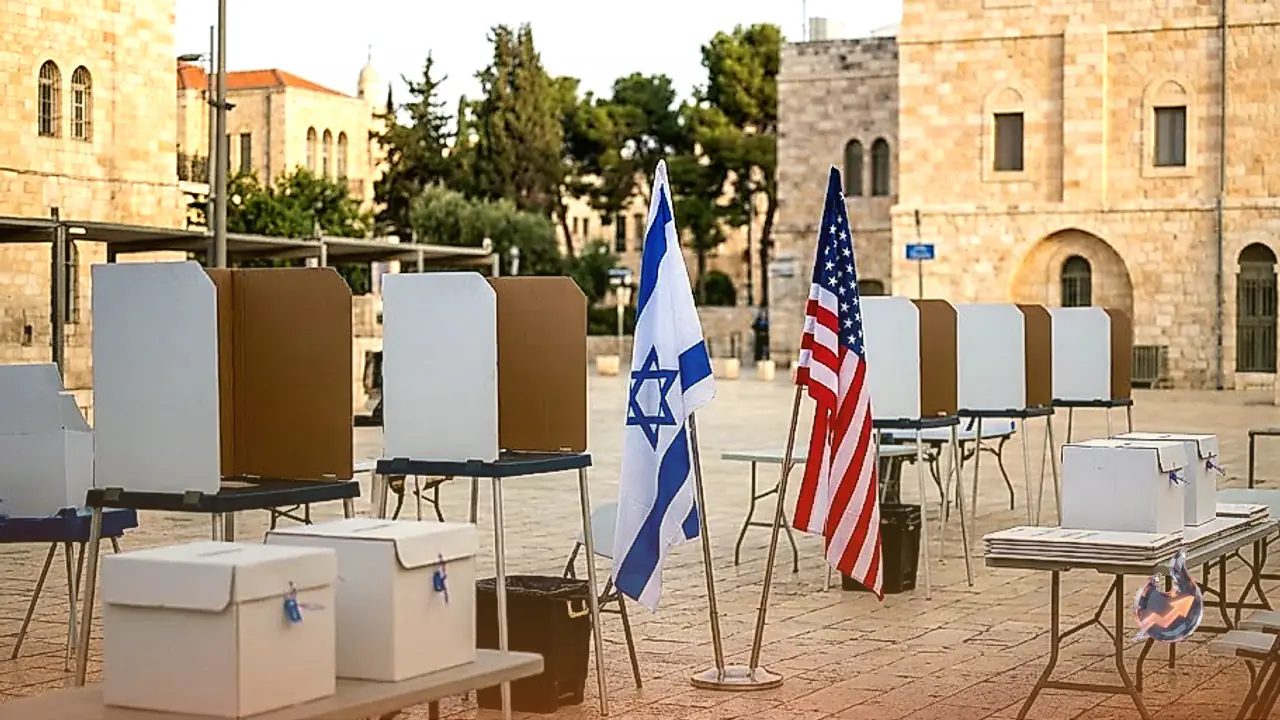





















Voting in Israel's parliamentary election has officially concluded, shifting the spotlight onto the forthcoming official ballot count. Freshly released exit poll projections indicate that Prime Minister Benjamin Netanyahu faces an uphill battle to secure a decisive, standalone mandate, pointing instead toward tortuous coalition negotiations. With neither major political bloc appearing capable of capturing the necessary 61-seat threshold in the 120-member Knesset, the country looks poised for another phase of political uncertainty where smaller factions, notably Arab parties, hold immense leverage.
Surveys Point to Deadlock Across Competing Blocs
Data released by major polling agencies reveal an intense, neck-and-neck struggle between the governing coalition and its political rivals. An updated exit poll broadcast by state channel Kan 11 projected both the pro-Netanyahu camp and the opposition bloc finishing tied at 51 seats each. An earlier iteration of that same poll had given Netanyahu-aligned parties 50 seats against 52 for the opposition factions.
Meanwhile, Direct Polls offered a different breakdown, estimating 55 seats for the Netanyahu bloc, 49 seats for the opposition alliance led by Gadi Eisenkot, and 16 seats for Arab parties. In contrast, a survey conducted by the agency Filber and broadcast on Channel 14 assigned 60 seats to Netanyahu supporters, 43 to the opposition, and 17 to Arab parties. Granular adjustments within the seat projections show Prime Minister Benjamin Netanyahu's Likud party fluctuating between 25 and 27 seats, while the left-wing alliance The Democrats slipped from 10 to nine seats, and the far-right Otzma Yehudit party declined from seven to six seats.
The 61-Seat Benchmark and the Crucial Role of Ra'am
Forming an executive government in Israel's 120-seat legislature demands a minimum working majority of 61 lawmakers. Because none of the mainstream alliances reached that crucial number in exit surveys, post-election maneuverings began almost immediately. Mansour Abbas, chairman of the Ra'am party, signaled that he is in active dialogue with emissaries from both sides of the political divide as both factions scramble to assemble a path to power.
Everyone is talking to us, not just the 'Change Bloc'.
Abbas confirmed that representatives allied with Netanyahu have also initiated outreach to explore coalition possibilities. With traditional allies insufficient to deliver an outright majority, these quiet negotiations with non-aligned parties could determine who ultimately secures the premiership.
Surging Voter Participation and Netanyahu's Tightest Test
Official figures released by the Central Elections Committee highlighted an unusually high civic engagement, with voter turnout reaching 77.7 percent by the time polling stations shuttered. That participation rate marks a substantial climb from the 70.6 percent registered at the identical benchmark during the 2022 national contest. The election authority confirmed this represents the heaviest participation rate recorded at this stage of balloting since 1999.
Benjamin Netanyahu has anchored Israeli political life and governance for roughly 19 years across multiple terms. In this electoral cycle, he encountered a formidable challenge mounted by former military chief Gadi Eisenkot and his Yashar party. As final votes are tabulated, the tight margins shown across all exit data guarantee that the race for the next prime minister remains completely unresolved.