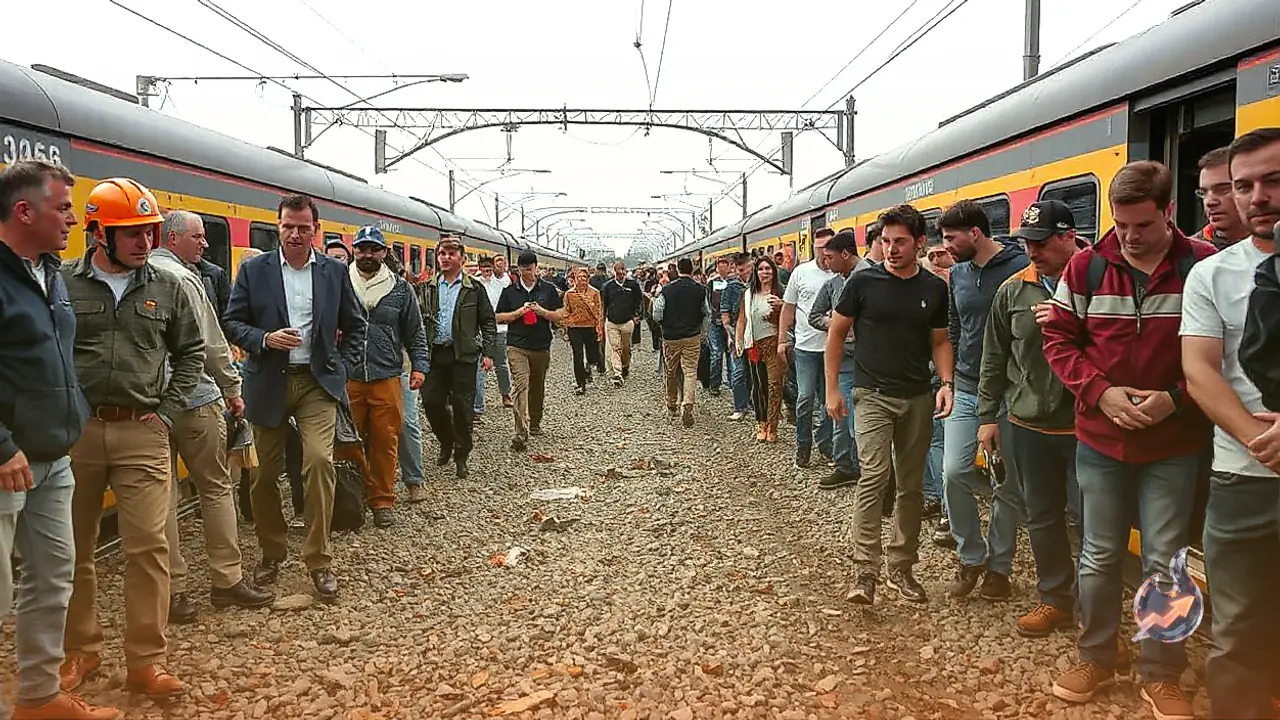






















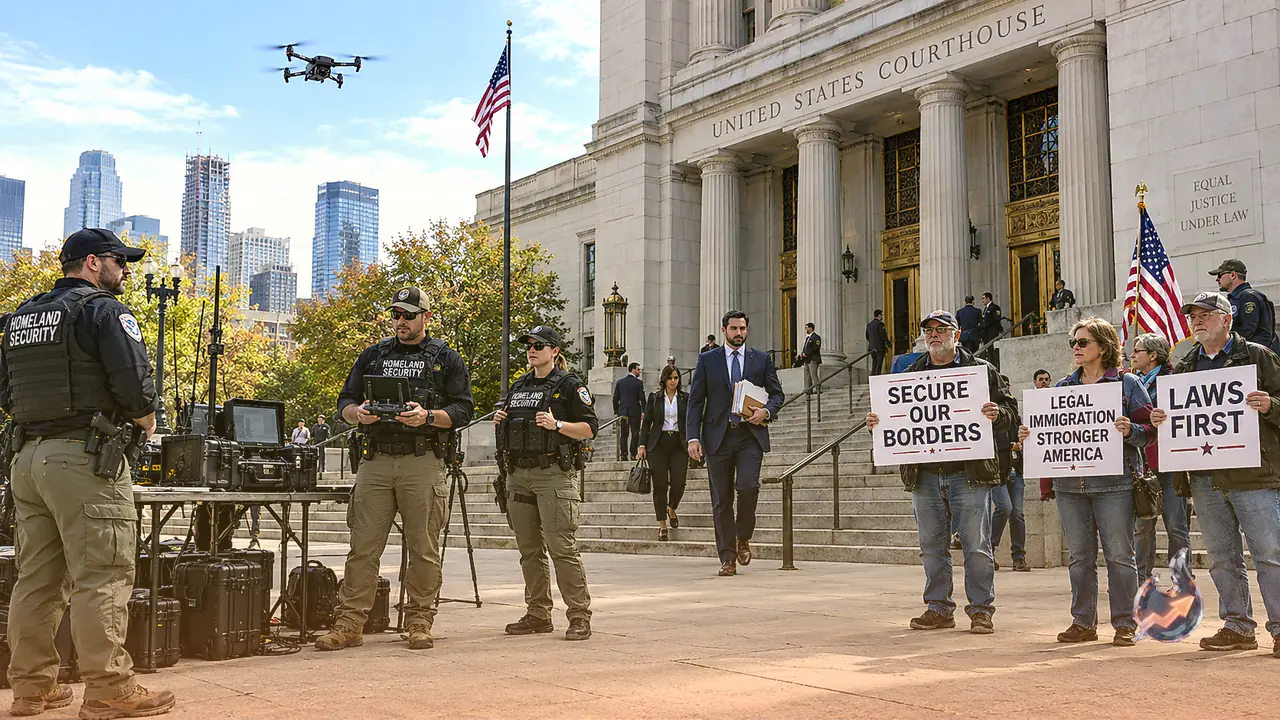

A high-profile federal case in Minneapolis has brought to light an extensive domestic surveillance apparatus deployed by the Department of Homeland Security (DHS) against grassroot community organisers. Records disclosed during proceedings against fifteen activists, known as the Minnesota 15, demonstrate that authorities redirected specialized counterterrorism and financial crime resources toward monitoring critics of federal immigration enforcement. The operation deployed roughly 120 specialized Homeland Security Investigations (HSI) personnel, including eleven undercover operatives, unmanned surveillance drones, and broad data-gathering techniques traditionally reserved for major criminal enterprises and national security threats.
Presidential Directive and Domestic Terrorism Mandates
The institutional backing for these investigations stems from National Security Presidential Memorandum 7 (NSPM 7), signed by President Donald Trump following the assassination of Charlie Kirk in September of last year. The directive instructed federal law enforcement agencies to deploy comprehensive statutory tools against entities and individuals that challenge administrative policies or advocate viewpoints deemed hostile to traditional values. Under this mandate, authorities opened domestic terrorism investigations under operational titles including Project Whipple Shield and Operation Puppet Master, focusing intensely on dissent surrounding federal immigration sweeps.
The legal conflict crystallized after Operation Metro Surge, a widespread immigration enforcement initiative launched across Minnesota in December 2025. In response to the federal push, Twin Cities community organizers established defensive monitoring networks to document enforcement actions in real time. Volunteers tracked DHS vehicles using specialized databases, coordinated dispatches, and communicated through encrypted Signal group chats. Prosecutors have framed this mutual assistance as an unlawful criminal conspiracy aimed at stalking, obstructing, and endangering federal agents. In contrast, defense attorneys argue that observing law enforcement in public spaces is core constitutionally protected activity that the government has improperly criminalized.
Operation Keyhole and Infiltration of Local Assemblies
Court filings show that the evidentiary basis for the indictment was built through Operation Keyhole, a Certified Undercover Operation (CUC) established by HSI's Saint Paul office in December 2008. Designed with bi-annual oversight from a joint committee of Department of Justice and DHS officials, Keyhole originally existed to finance equipment and undercover personnel costs for probes into narcotics rings, financial rackets, human trafficking, and international weapons proliferation. By June 2026, the program had underwritten at least 77 complex criminal cases and was actively supporting six undercover operations in the Upper Midwest, including Project Whipple Shield.
Under Keyhole authorization, at least eleven undercover agents integrated themselves directly into Twin Cities activist spaces over several months. Operatives attended know-your-rights seminars, self-defense classes, labor walkouts, planning sessions, and general community forums. In several instances, undercover agents entered church sanctuaries, an action that defense counsel alleges violated standing judicial restrictions on surveillance inside houses of worship. These agents gained access to private communications networks, monitored administrative shifts, and exported chat histories from encrypted channels, relaying operational details back to analysts for eventual inclusion in the charging indictment.
Digital Forensic Tracking and Patriot Act Financial Inquiries
The scale of data collection extended far beyond physical infiltration, yielding more than 15 terabytes of encrypted communications transcripts, photographic logs, and technical records. When an organizer shared a custom vehicle license lookup tool hosted on the cloud service Fly.io within a monitored chat, HSI investigators leveraged forensic tracking methods to unmask the creator. Agents examined outbound server traffic, Domain Name System queries, and signup records, linking an uncompleted transaction footprint on Stripe to public utility records and commercial data aggregators.
By cross-referencing this digital profile with Minnesota Driver and Vehicle Services records and the commercial investigative platform Thomson-Reuters CLEAR, investigators compiled comprehensive dossiers containing Social Security summaries, historical residential addresses, phone numbers, and co-owned assets. Furthermore, investigators utilized Section 314(a) of the Patriot Act, a mechanism designed to help the Treasury Department rapidly identify finances linked to international money laundering and terrorism. Records queries conducted on March 31, 2026, examined the financial transactions, wire transfers, and PayPal histories of 29 targeted subjects, routing details involving labor unions like SEIU across field offices in Minnesota, Los Angeles, and Arizona.
Journalistic Inquiries and Expanding Federal Precedents
The operational framework was not confined to local activists within Minnesota borders. Surveillance teams tracked regional gatherings in Seattle, Chicago, Michigan, and New York City, logging the vehicle registrations of attendees and using unarmed Customs and Border Protection Reaper drones to capture aerial footage of civilian movements across Minneapolis and Saint Paul. To inspect communication records of journalists covering the enforcement sweeps, investigators bypassed standard judicial warrants and grand jury subpoenas, issuing administrative customs summonses instead. These actions drew widespread scrutiny, particularly during investigations involving former CNN anchor Don Lemon, who reported on demonstrations outside a church where an immigration officer served as pastor.
Veteran legal analysts and former federal investigators have compared these techniques to Cold War-era domestic intelligence programs, noting that the sheer volume of personnel and modern digital telemetry surpasses historical benchmarks like the CIA's Operation MH/Chaos. Defense lawyers maintain that repurposing high-level anti-terror mechanisms to counter civilian protest sets an alarming precedent for constitutional assembly rights. As evidentiary hearings proceed, the case continues to expose how federal investigative authorities operate behind sweeping executive security mandates.