






















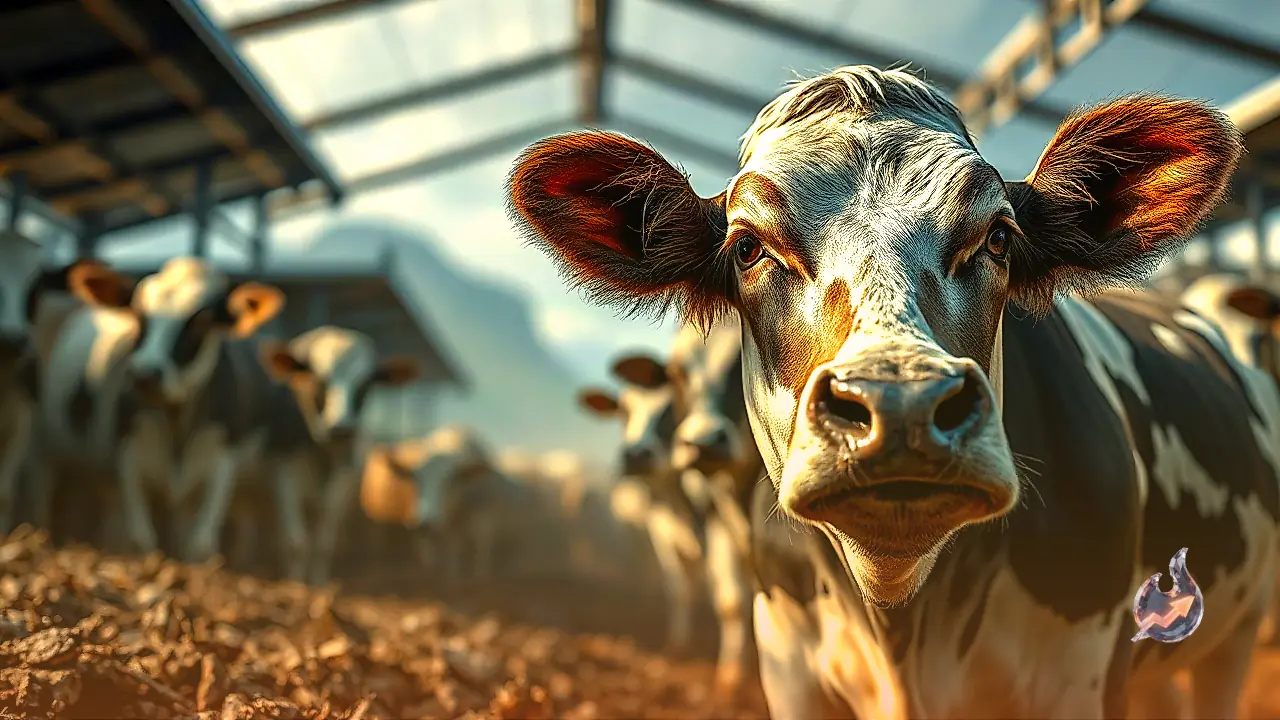

The seasonal transition in September brings dual challenges for dairy animals like cows and buffaloes, introducing climate variations that invite numerous health hazards. Dairy farmers must prepare for this seasonal shift, as negligence can lead to a drop in milk production and physical deterioration of the animals. Veterinarian Dr. Vinod Choudhary notes that proactive care during this month can effectively shield livestock from seasonal illnesses and secure consistent milk yields.
Battling Internal Worms to Ensure Proper Nutrition
Internal parasites are a silent threat to cattle health. When cows and buffaloes suffer from stomach worms, they continue to consume fodder normally but cannot absorb the essential nutrients into their bodies. This leads to physical weakness, dull appearance, and a rapid decline in milk output. Performing a scheduled deworming process is critical during this transitional month. However, livestock owners must exercise extreme caution. The medication required for pregnant animals differs significantly from that of non-pregnant ones. Consequently, farmers should strictly avoid self-medicating their animals and instead seek a prescription from a qualified veterinary professional to ensure safety.
Dealing With Ticks Mites and Severe Infectious Illnesses
External parasites such as ticks, mites, and lice pose another severe challenge by clinging to the animal's body and draining their blood. This blood loss weakens the immune system of the livestock. Furthermore, the post-monsoon climate encourages mosquito breeding in and around animal sheds, causing constant irritation and stress to the cattle. Livestock owners must regularly spray appropriate insecticidal treatments in the sheds and use recommended external applications on the animals.
Additionally, September is a prime time for highly contagious outbreaks, including hemorrhagic septicemia, black quarter, and foot-and-mouth disease. If farmers failed to vaccinate their herds before the monsoon, they must arrange for immediate vaccinations now. Timely vaccination acts as a robust shield, protecting valuable dairy livestock from life-threatening viral and bacterial infections.
Managing the Green Fodder Transition and Silage Preparation
A major challenge in late September is the sudden shift in feed availability. The supply of Kharif season green fodder, such as sorghum, pearl millet, and maize, starts to decline rapidly. Meanwhile, winter-season green fodders like berseem clover and oats require a substantial period before they are ready for harvesting. This intermediate gap often creates a fodder shortage, directly hurting milk yields. To counter this, dairy farmers should harvest any remaining standing crops of sorghum, millet, or maize and convert them into nutritious silage. Preserving feed as silage ensures a steady, high-quality nutrition source during the winter dry spell. Farmers should also prepare their agricultural fields by the end of this month to sow winter crops like berseem, oats, and alfalfa.
Optimizing Breeding Cycles and Maintaining Mastitis Prevention
As cooler weather approaches, the environment becomes highly favorable for the reproductive cycles of cows and buffaloes. Veterinary expert Dr. Vinod Choudhary explains that the winter months are ideal for breeding, making it crucial for farmers to closely monitor their cattle for signs of heat. The most critical window for artificial insemination is between 12 and 18 hours after the animal first exhibits heat symptoms. Alternatively, farmers can choose to cross their cows or buffaloes with high-quality, elite bulls during this specific timeframe.
To keep milk-producing animals safe from mastitis, a painful udder infection, maintaining spotless hygiene in the animal shed is non-negotiable. Wet, muddy floors in the housing area must be avoided. Spreading dry lime powder on the floor helps control bacterial growth and dampness. Ensuring proper ventilation and fresh air circulation inside the dairy shed is also vital for keeping the herd healthy and productive.


