





















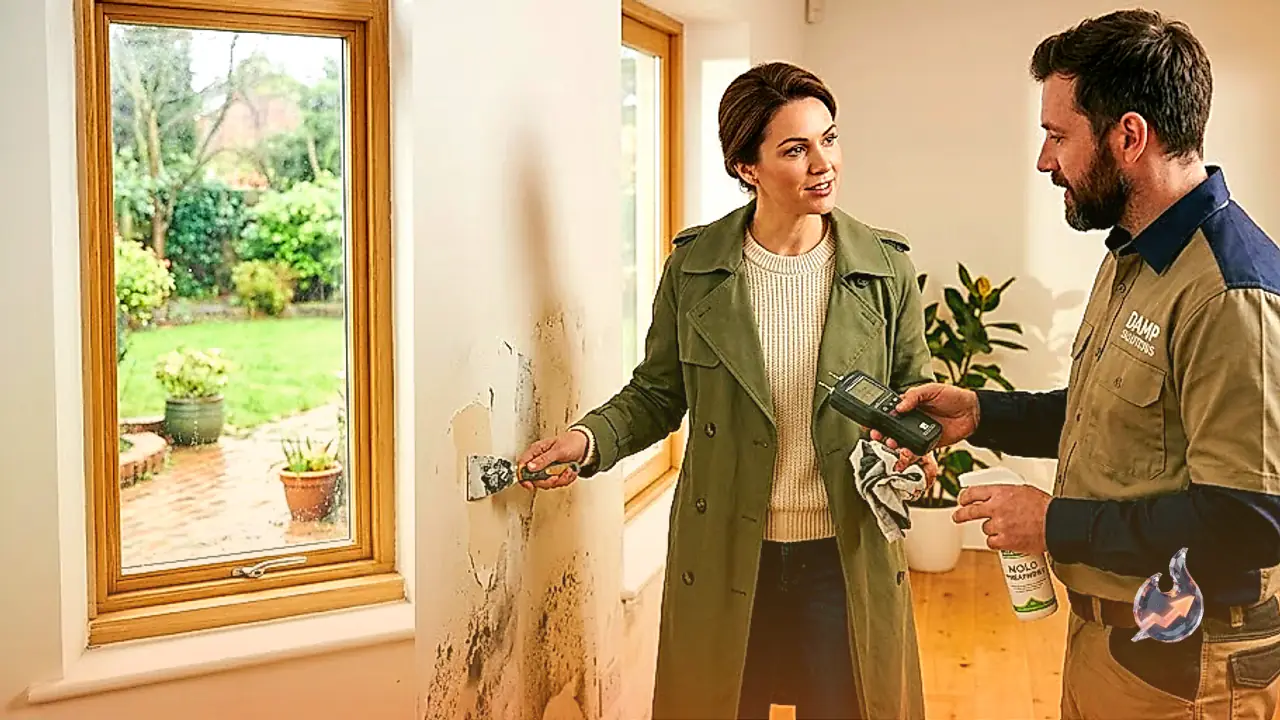

As the persistent rains of the monsoon season come to an end, many households face the challenging problem of wall dampness and moisture buildup. Water seepage through interior corners, ceiling joints, and exterior surfaces frequently leads to ugly dark patches and black mold growth. If left unaddressed, this issue not only ruins the aesthetic appeal of living spaces but also causes serious structural deterioration by peeling off paint and damaging inner plaster. Identifying the signs of dampness immediately after the rainy season and taking appropriate corrective action is crucial for maintaining a healthy home environment. Below are detailed, effective measures to permanently resolve moisture and mold issues on home walls.
Pinpointing the Exact Source of Water Leakage
Attempting to fix damp walls by merely applying a fresh coat of paint over visible patches is an ineffective solution. Before beginning any cleaning or restoration work, it is vital to inspect the premises and locate the exact point where moisture is infiltrating the structure. Common causes include cracks in roof slabs, damaged or leaking plumbing pipes, deteriorating exterior wall plaster, or water collecting from adjacent properties. Painting over active dampness without addressing the root cause will inevitably lead to the problem recurring within a short period. Therefore, homeowners must first hire a qualified professional to repair leaking pipes and seal external cracks before undertaking any cosmetic wall treatments.
Enhancing Indoor Ventilation and Sunlight Exposure
Maintaining adequate airflow throughout rooms affected by dampness is an essential step in eliminating trapped moisture. Whenever the weather clears up, doors and windows should be kept wide open to allow fresh air to circulate and enable natural sunlight to penetrate the living space. Sunlight acts as a natural drying agent and discourages fungal growth. Furthermore, high-humidity areas such as kitchens and bathrooms require the consistent use of exhaust fans. Running exhaust fans effectively vent steam and humid air outdoors, preventing condensation from settling on wall surfaces and forming persistent damp spots.
Safe and Thorough Removal of Mold Patches
When mold or fungal growth appears on a small section of a wall, cleaning must be carried out with proper protective measures. Individuals should always wear a protective face mask during the cleaning process to avoid inhaling airborne mold spores, which can trigger respiratory discomfort. Utilizing a specialized anti-fungal cleaner is recommended to neutralize the mold spores completely. During cleaning, ensure that windows remain open for cross-ventilation, and allow the wall to dry out thoroughly afterward. If fungal infestation covers a widespread area or repeatedly resurfaces despite cleaning, household remedies will be insufficient, and engaging professional mold remediation services becomes necessary.
Avoiding Immediate Painting on Damp Surfaces
A common mistake made by homeowners is applying new putty or paint over damp wall surfaces in an attempt to quickly hide unsightly spots. Applying paint over trapped moisture prevents proper adhesion, causing the fresh layer to bubble, crack, and peel off rapidly. After fixing the underlying leak, sufficient time must be allowed for the wall structure to dry out completely. To accelerate the drying phase, high-speed ceiling fans, specialized dehumidifiers, or enhanced room ventilation can be utilized. Only when the wall is thoroughly dry to the core should primer and paint application proceed.
Applying Waterproofing and Anti-Fungal Coatings
For walls that experience recurring dampness year after year, comprehensive waterproofing treatment offers a durable long-term solution. Once structural repairs are finalized and the wall has dried completely, applying a moisture-resistant or anti-fungal primer followed by high-quality protective paint creates a strong barrier. This specialized coating prevents future moisture penetration, shields the plaster underneath, and preserves the vibrant appearance of wall finishes for years to come.