
Money plants are a staple in Indian households, adored for their lush green foliage and the positive energy they are believed to bring into homes and balconies. However, the arrival of the monsoon season brings unique challenges for these indoor favorites. While the humid weather can boost growth, excessive rainfall and high humidity levels can easily damage the delicate root system of your money plant if proper precautions are not taken. Implementing a few timely care strategies can ensure that your plant remains vibrant and healthy throughout the year.
Prioritize well draining soil and timely nourishment
The foundation of a healthy money plant lies in the soil structure. During the wet season, it is crucial to use a soil mix that does not retain water for too long. If the potting medium remains waterlogged, it suffocates the roots. A sandy loam mixture that allows excess moisture to pass through quickly is highly recommended. Along with correct soil composition, feeding the plant with mild fertilizers at regular intervals provides the essential nutrients needed to support continuous and healthy growth.
Ensure efficient drainage outlets in your pots
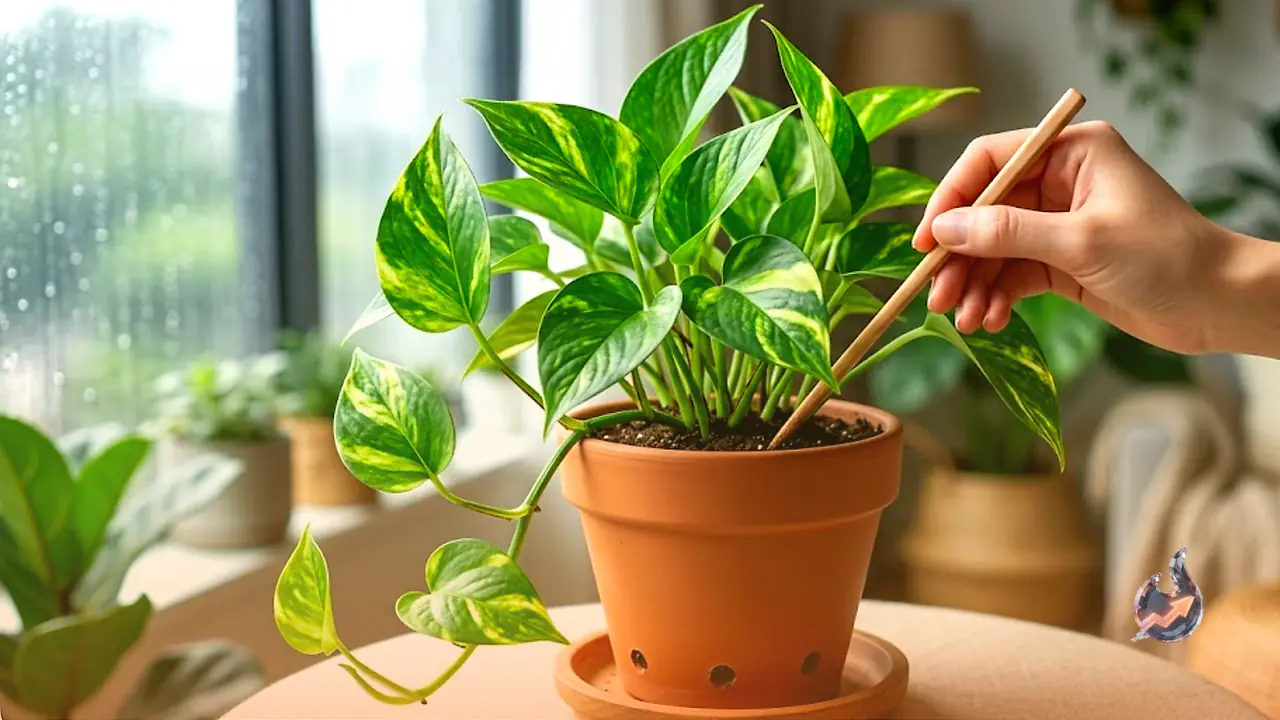
Choosing the right container is just as important as the soil mix. Always opt for pots that feature functional drainage holes at the bottom. These holes act as a safety valve, allowing surplus water to escape freely rather than settling around the root ball. Stagnant water at the base of the pot is the primary cause of root decay. Home gardeners should routinely check these drainage holes to ensure they are not blocked by debris or packed soil, allowing water to flow out unimpeded.
Enhance foliage shine with epsom salt
If you want the leaves of your money plant to maintain their signature deep green luster and freshness, a simple Epsom salt solution can work wonders. Dissolve a small amount of Epsom salt in clean water and gently spray it over the foliage. This compound provides crucial magnesium, which aids in chlorophyll production, giving the leaves a remarkably fresh, glossy, and healthy appearance even during cloudy monsoon days.
Prevent rainwater accumulation in the containers
Continuous downpours can quickly overfill outdoor or balcony pots. While natural rainwater is beneficial in moderate amounts, an excess of it can lead to waterlogging. When roots remain submerged in water for extended periods, they begin to rot, eventually destroying the entire plant. It is critical to inspect your balcony and garden pots after every heavy shower and empty out any standing water immediately to protect the root system.
Keep a close eye out for fungal infections and pests
The high humidity levels characteristic of the rainy season create a perfect breeding ground for various molds, fungi, and small insect pests. Gardeners should inspect the leaves regularly for any unusual spots, color changes, or visible insects. If you notice yellowing leaves or dark patches, take swift action by removing the affected parts and applying appropriate organic fungicides or pest control treatments to prevent the infection from spreading.