





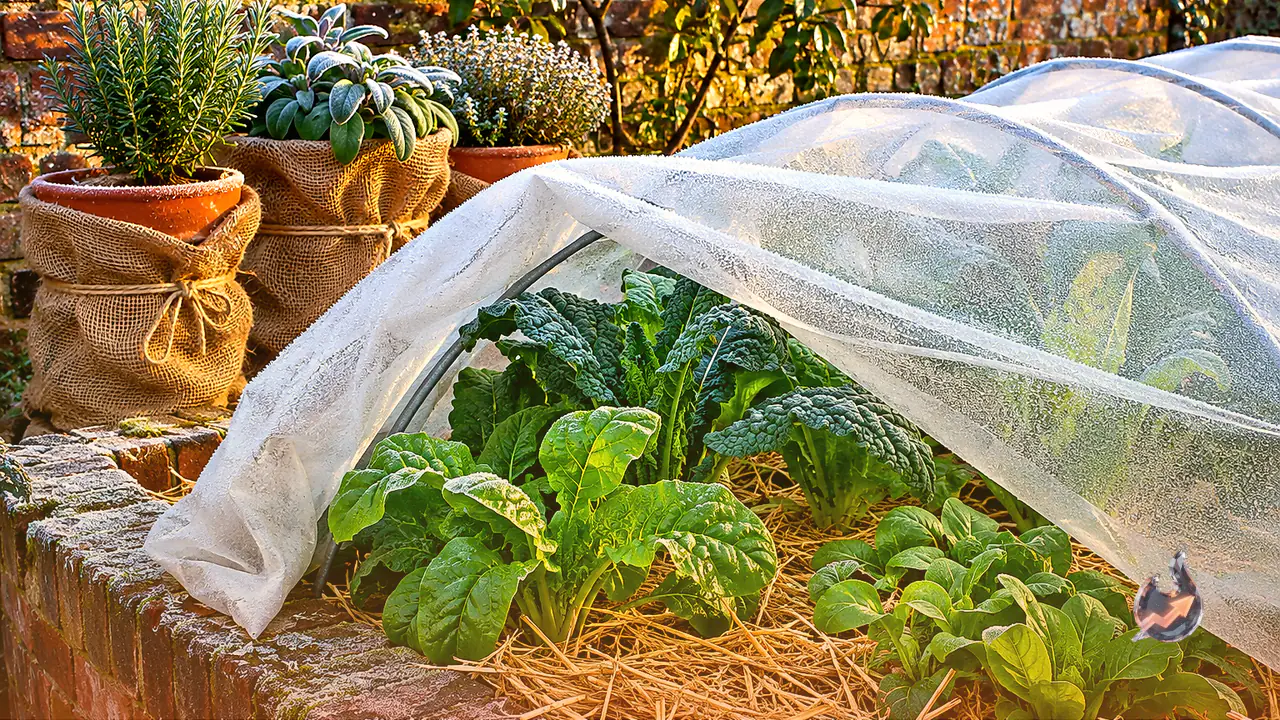
















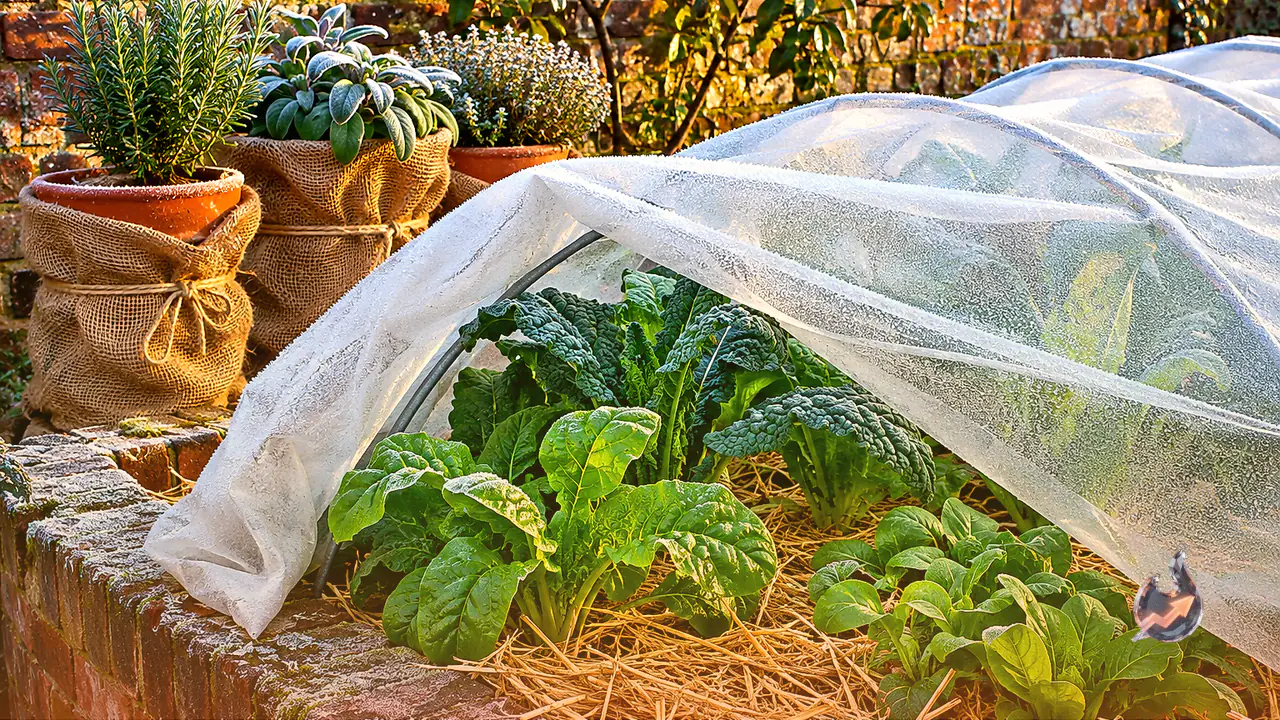

With the onset of winter and sharp drops in daily temperatures, home gardens require special care to prevent weather-induced shock to plant root systems. Maintaining consistent soil warmth is critical during this period. Gardeners can safeguard the root zone by applying a protective layer of mulch, made from dried leaves, dry grass clippings, or small pieces of wood, around the base of plant stems. This simple cover helps retain subterranean heat and shields sensitive roots from extreme thermal fluctuations.
Sunlight, Placement, and Regulated Watering
According to Moradabad nursery operator Rahul Sagar, winter is the primary season when rose plants begin developing new buds and producing abundant blossoms. To sustain this flowering phase, ensuring sufficient direct sunlight and proper nourishment is essential. Stagnant moisture in pots should be strictly avoided during colder days, and watering should be limited to light, need-based sprinkling rather than heavy saturation.
As winter progresses, heavy fog, freezing temperatures, and chilly winds can inflict severe damage on delicate foliage. To mitigate this risk, pots can be shifted from fully exposed open grounds or open terraces to sheltered spots, covered balconies, or partially enclosed spaces. Furthermore, seasonal and indoor varieties require considerably less watering during winter, whereas rose plants should receive moisture only as demanded by the soil dryness.
Nutritional Balance and Safe Fertilizer Use
For consistent and healthy plant growth, organic inputs such as vermicompost and neem cake provide ideal nourishment and root protection. While chemical fertilizers like NPK and DAP can also be utilized, they must be administered in strictly measured quantities. Rahul Sagar points out that for a rose bush measuring around one and a half feet in height, roughly 10 to 12 granules of DAP are completely sufficient.
Conversely, gardeners should avoid applying urea fertilizers during winter, as excessive nitrogen can disrupt seasonal resilience. Regular monitoring, appropriate sun exposure, and a balanced feeding schedule ensure that garden flora thrives with rich blooms even during the coldest winter stretches.