























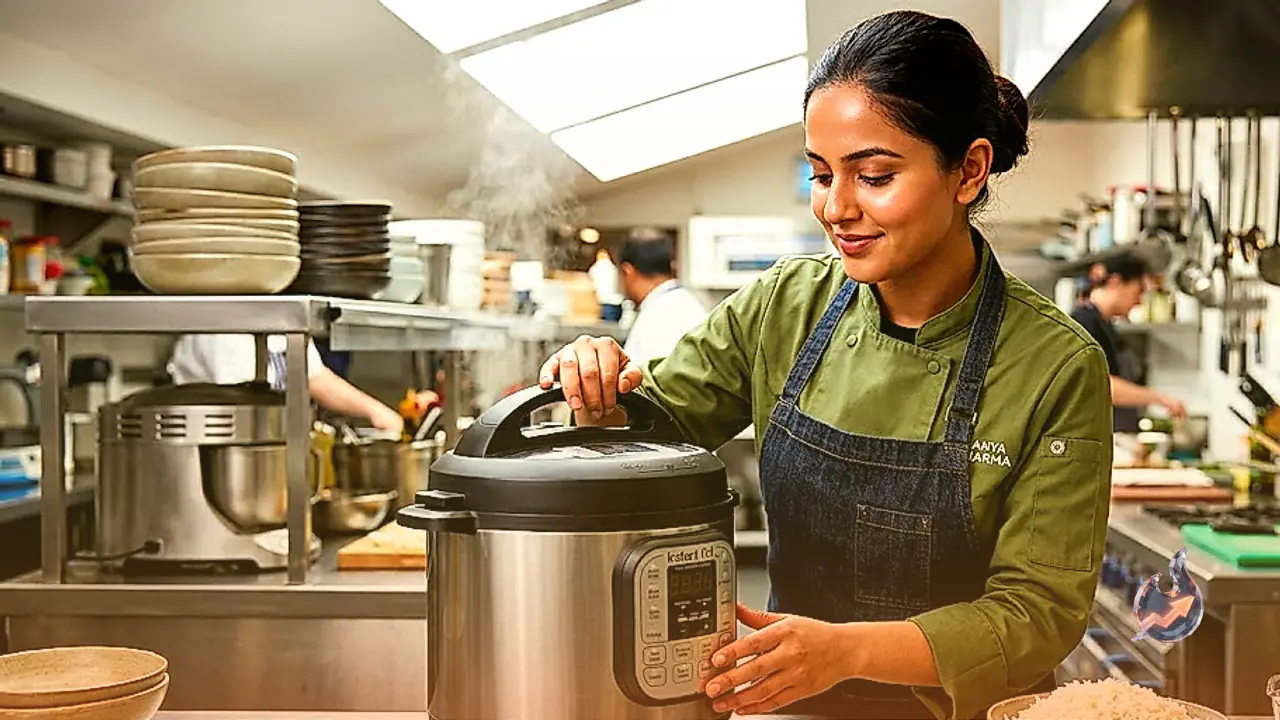

Rice remains an indispensable staple on dining tables across India, serving as the daily companion to lentils, curries, and regional preparations. Meals become significantly more satisfying when the cooked grains emerge tender, light, and distinctly separated. However, rushing through the preparation often leads to overcooked, mushy grains that cling to each other, or worse, scorch against the base of the vessel.
While using a pressure cooker is widely recognized as the quickest and most convenient method for meal preparation, it requires careful precision regarding water volume and heat timing. The smallest error in fluid measurement can turn an entire batch unpalatable. Adopting a few structured culinary steps ensures that every pot of rice cooks into separate, well-formed grains consistently.
Precise Water Measurement Ratios
The primary reason grains turn soggy in a pressure cooker is relying on visual guesswork rather than calibrated measurements. Always use a dedicated glass or bowl to measure both the dry grain and the liquid. When preparing 1 glass of rice, incorporate approximately 1.5 glasses of water. Following this proportion, 2 glasses of rice require about 3 glasses of water. Maintaining this measured balance guarantees that the finished dish neither stays unpleasantly dry nor absorbs excess fluid that induces stickiness.
Rinsing Grains With Care
Over-washing grains is an overlooked kitchen misstep that compromises final texture. Rinsing the raw grains only 1 to 2 times before cooking is widely considered ideal. Subjecting the batch to repetitive washing cycles causes the raw grain to absorb excess surface moisture prematurely. This surplus hydration weakens structural integrity, significantly increasing the likelihood of the rice turning into a damp, cohesive mass once heat is applied.
Managing Whistles and Heat Intensity
Cooking rice in a pressure cooker does not demand multiple steam whistles. For smaller batches of 1 or 2 glasses, maintaining a medium flame and turning off the stove right after a single whistle is sufficient. Conversely, when preparing larger volumes of 3 glasses or more, keep the burner on high flame and shut down the heat immediately following the first whistle. Allowing the cooker to blow multiple times overheats the grains and destroys their distinct texture.
Allowing Natural Depressurization
Patience during the resting phase is crucial for the final grain quality. Never pry open the lid prematurely or manually vent the weight valve to release steam quickly. Permitting the internal pressure to subside completely on its own allows the residual heat to gently temper the grains into their final structure, ensuring that every grain settles cleanly without breaking or sticking.
Testing New Grain Varieties
The final outcome also heavily depends on the specific variety and age of the rice grain being prepared. Because moisture retention varies significantly across different grain types, it is always wise to prepare a small trial portion in the standard manner whenever purchasing an unfamiliar brand or variety from the grocery store.