























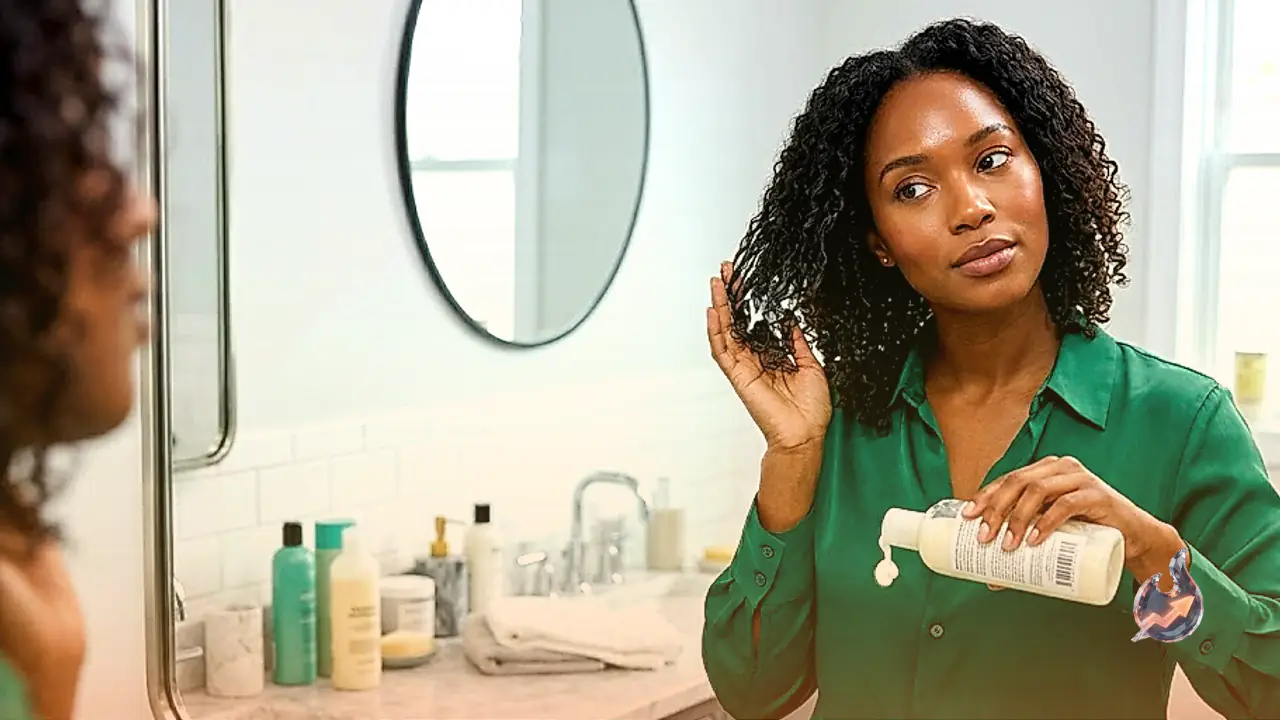

While shampooing is an essential hygiene step to eliminate dust, pollution, and excess sebum, conditioning immediately afterward is what restores vital moisture to the strands. The chemical and physical cleansing process of shampooing tends to lift the hair cuticle, the protective outer layer of each strand, leaving it slightly rough and uneven. Consequently, freshly washed hair often feels dry, tangled, and dull, which is why a conditioner is required to reverse this temporary texture damage.
How Conditioning Transforms Hair Health and Texture
Conditioners work by coating the outer layer of the hair fiber with a protective barrier that seals in essential moisture. This protective shield leaves the hair remarkably soft to the touch, adds visible gloss, and makes individual strands significantly easier to detangle and manage. Hair care professionals note that regular conditioning reduces friction, prevents split ends, and protects delicate hair shafts from breaking during post-wash detangling. However, these nourishing benefits depend entirely on how and where the product is applied.
The primary advantage of conditioning lies in locking hydration deep within the strands, eliminating the parched feeling caused by lathering agents. By smoothing down the raised cuticles, it enables the surface to reflect light evenly, enhancing natural shine. Combing through conditioned hair requires minimal effort, drastically reducing mechanical breakage and shedding. Furthermore, for individuals managing curly, wavy, or long hair, proper conditioning serves as the primary defense against uncontrollable frizz.
The Scientific Reason Conditioners Must Stay Off the Scalp
Trichologists and hair experts routinely advise against applying conditioner directly onto the scalp. The core formulation of a conditioner is engineered specifically for the aging, dried ends of hair fibers rather than living scalp tissue. When applied to the roots, the rich emollient formula coats the scalp, leaving the hair feeling excessively weighed down, flat, and uncomfortably greasy.
This issue becomes even more pronounced for individuals with an oily scalp, as applying conditioner to the roots triggers rapid sebum buildup, making hair look dirty within hours of washing. The human scalp naturally secretes oils through sebaceous glands, but this sebum rarely travels all the way down to the tips of longer strands. Applying conditioner strictly to the mid-lengths and ends delivers essential hydration to the driest zones without overloading the naturally oily roots.
Step-by-Step Guide to Applying Conditioner Correctly
To maximize hydration while maintaining hair volume, follow this standard routine
- Thoroughly wash your hair with shampoo and rinse out all traces of dirt and residue.
- Gently squeeze out excess water using your hands so the conditioner does not get diluted.
- Dispense a modest, coin-sized amount of conditioner into your palm.
- Distribute the product exclusively from the mid-lengths down to the ends, avoiding the roots.
- Allow the conditioner to sit undisturbed for 2 to 5 minutes so the ingredients penetrate the fibers.
- Rinse thoroughly with clean water until no slippery residue remains on the strands.