




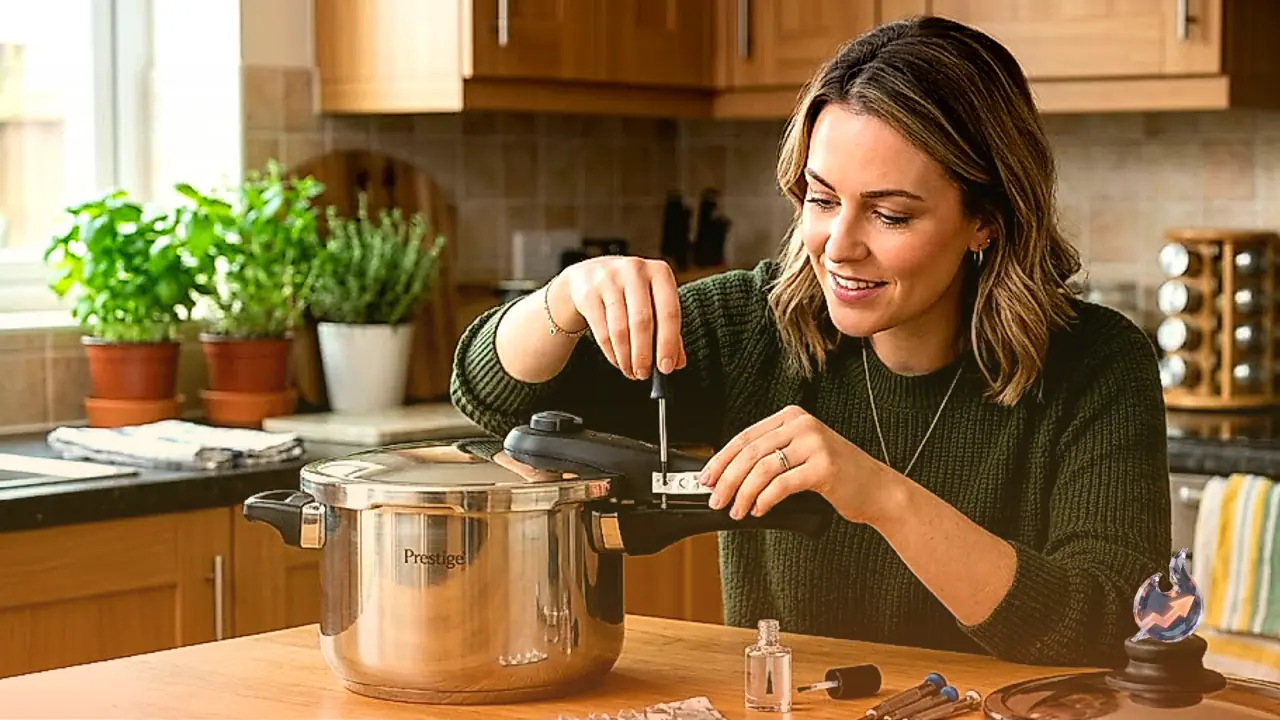


















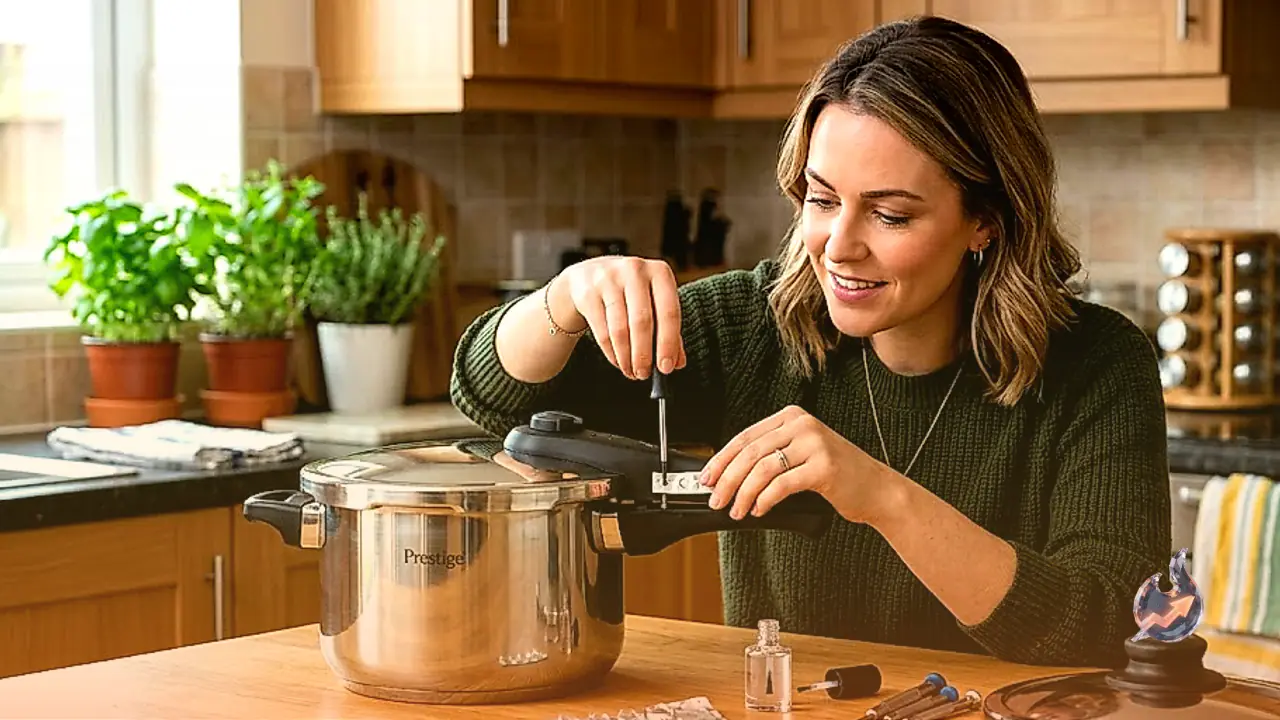

Cooking dal or sauteing vegetables becomes stressful and dangerous when the handle of a pressure cooker starts wobbling out of nowhere. Shifting a hot cooker off the stove or tempering spices while the grip is unsteady poses a direct burn hazard, turning a routine task into a safety concern. The immediate reaction in most households is to grab a screwdriver and tighten the loose screw, yet the joint tends to loosen again within a matter of days. Faced with recurring wobbles, many cooks debate whether to carry the cookware to a repair shop or replace the appliance entirely, even though the underlying problem can be resolved in minutes at zero cost using discarded household items.
The Underlying Causes of Repeatedly Stripped Screws
Pressure cookers endure intense thermal stress during daily food preparation. The persistent exposure to cooking heat, boiling steam, and the mechanical weight of loaded meals steadily degrades the connection where the handle meets the cooker body. Surface friction between the two surfaces further accelerates this mechanical wear. Tightening the screw over and over with regular tools gradually enlarges the screw hole itself as the softer metal inside strips away. Once this hollow space expands beyond its original diameter, a standard screw can no longer seat properly or grip the internal threading, leading to repeated slippage.
Creating an Internal Washer from Discarded Foil Strips
The empty silver foil blister pack from tablets or cough medicines, commonly tossed straight into the bin, provides an effective mechanical shim. This thin metal packaging can be adapted into a functional washer to bridge the loose gap inside the stripped hole.
- Trimming the Foil: Cut a small circular disc from the empty silver medicine blister packaging using a pair of scissors, ensuring the piece matches the dimensions of the screw hole.
- Positioning the Material: Insert the trimmed foil disc directly into the handle cavity before placing the fastener back in position.
- Securing the Seal: Drive the screw tightly through the foil using a screwdriver. As the metal thread presses against the pliable foil, the material compresses and packs into every microscopic gap. This acts as a firm grip sleeve that locks the fastener in place and eliminates wobbling entirely.
Using Clear Nail Paint or Wood Glue for Thread Locking
An alternative technique inspired by professional thread-locking compounds involves applying a small droplet of transparent nail polish or wood glue directly onto the threads of the screw before driving it home. As the liquid coat cures inside the joint, it forms an adhesive layer that resists regular cooking vibrations, moisture, and thermal expansion. This bond prevents the fastener from backing out during routine pot handling. Whenever maintenance or replacement is required down the road, the bond yields readily to standard manual torque from a screwdriver without damaging the cookware.