

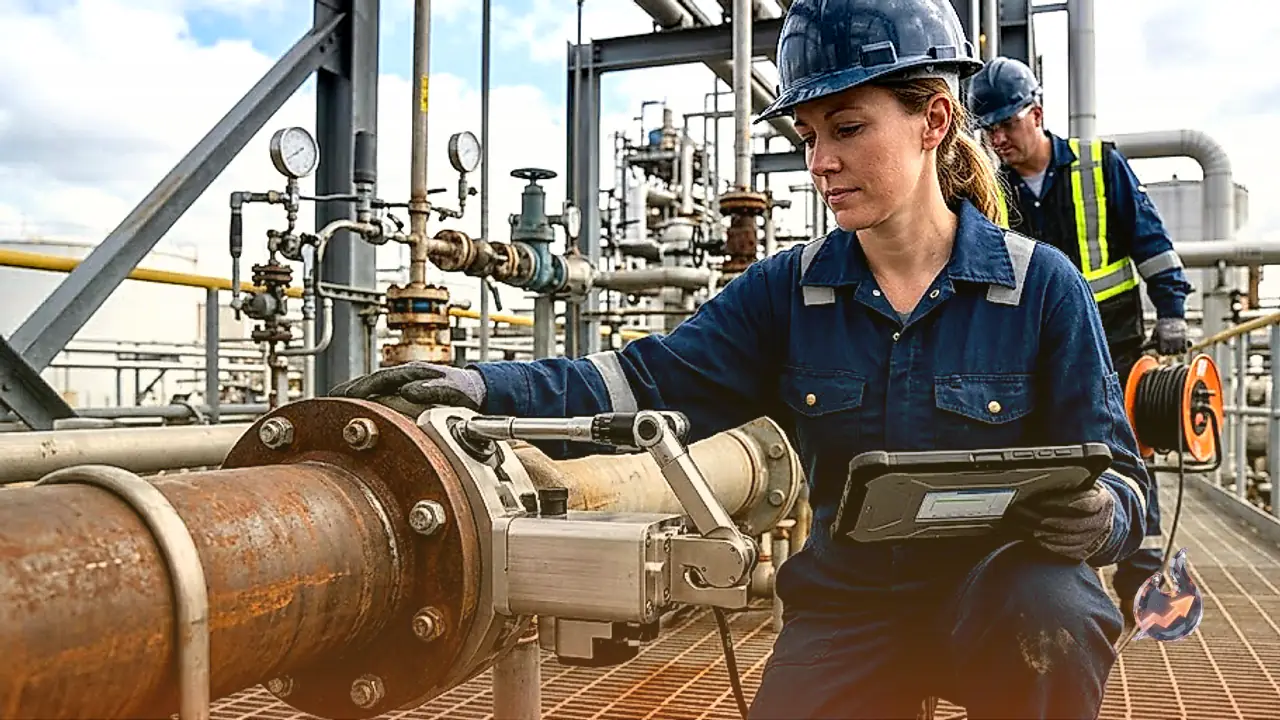





















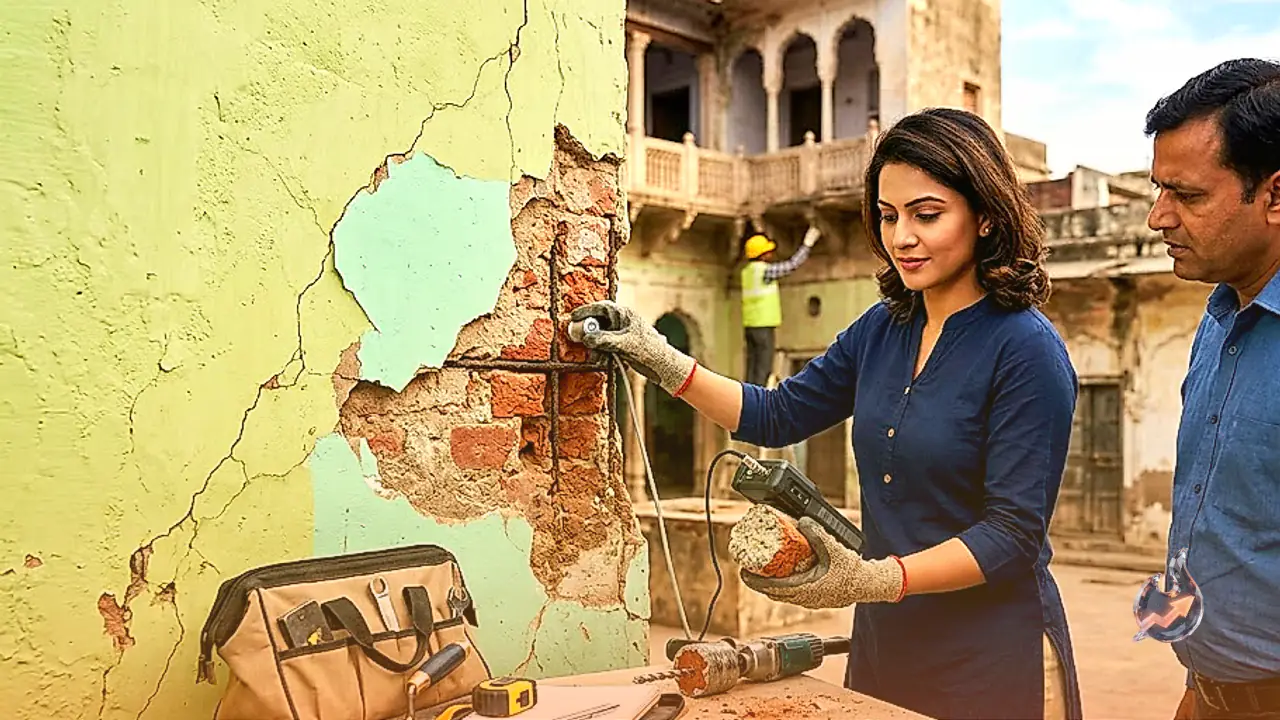

Homeowners often assume that applying a fresh coat of paint or patching surface blemishes is enough to restore an aging residence. Cosmetic renovations, however, cannot reveal whether the underlying masonry and load-bearing framework remain sound. Over decades, mortar binds lose adhesive cohesion, bricks absorb moisture, and structural steel corrodes. Visible warning signs such as widening fissures, chronic dampness, rusting rebar, or subtle wall deflections demand immediate technical intervention rather than decorative cover-ups.
Evaluating Mortar and Brick Quality Through Lab Assays
Agra-based civil engineer Ajay Bhadauria explains that scientific testing provides clarity on the true condition of aging building components. Under specialized oversight, technicians extract modest core fragments of mortar, plaster, brickwork, and lime coatings from representative sections. These specimens undergo controlled laboratory analysis to determine their remaining compressive strength, chemical degradation, and material density, revealing precisely how much load the elements can still safely support.
Local Laboratory Access and Testing Expenses
Obtaining an empirical assessment of construction materials does not require an extravagant budget. Ajay Bhadauria points out that specialized testing centers in Agra can evaluate building material integrity for approximately 5 to 6 thousand rupees. Residents in the city can access such analytical facilities across several commercial hubs, including Shastri Puram, Rohta, Sanjay Place, and near Bhagwan Talkies. The resulting lab sheets detail the structural fitness of the bricks, cement mix, and joint binders.
A material test report alone, nevertheless, cannot establish the exact remaining lifespan of an entire building. Determining comprehensive safety requires an on-site structural engineer to conduct a thorough physical survey of the foundations, columns, beams, and slabs. An expert walk-through reveals whether structural retrofitting, beam jacketing, or localized strengthening is necessary to maintain stability.
Do Not Disregard Moisture Ingress and Structural Fractures
Persistent ceiling leaks, efflorescence on plaster, exposed rust along reinforced slabs, and tilted partition walls must never be brushed aside as harmless aging marks. Left unaddressed, ongoing dampness weakens steel reinforcements through oxidation, causing spalling concrete and sudden structural failure. Arranging a professional inspection as soon as anomalies surface allows homeowners to carry out targeted repairs early, preventing exorbitant structural rehabilitation later.
Sound Construction Standards and Regular Maintenance Checks
Drawing on 16 years of hands-on experience in civil engineering and building projects, Ajay Bhadauria emphasizes that structural longevity is largely decided at the time of initial construction. Employing premium-grade aggregate, refined sand, high-tensile steel, and reputable cement, alongside strict adherence to engineering codes, establishes a durable foundation. Under optimal execution, a well-built residential building can reliably endure for around 60 years.
Even so, durability is not an absolute constant. Soil characteristics, structural geometry, weather patterns, drainage efficacy, and everyday maintenance all exert substantial influence over an edifice's operational lifespan. Conducting proactive inspections every one to two years ensures that developing flaws are detected before they compromise structural integrity. Timely maintenance of plaster, roof joints, and masonry helps property owners preserve safety and avoid catastrophic structural damage.