






















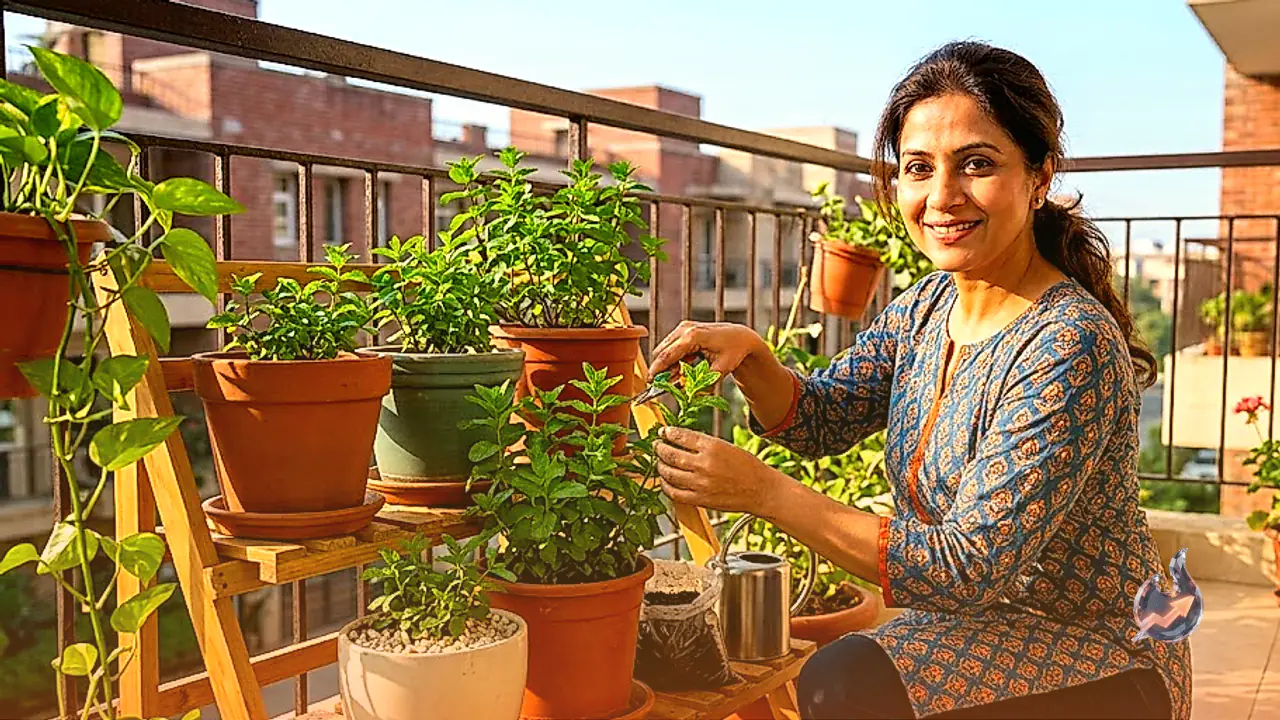

During the intense summer season, the demand for natural ingredients that offer cooling relief and freshness increases significantly. Mint is a versatile herb that not only enhances the flavor of various dishes but also offers numerous health advantages. The best part about growing mint is that it does not require vast agricultural land or extensive garden space. Even with limited space in a home balcony, terrace, or kitchen garden, you can easily cultivate your own supply. Growing it at home ensures that you have access to fresh, aromatic, and chemical-free leaves every single day for your culinary needs.
Choosing the Right Pot and Preparing Soil Mixture
To start growing mint at home, select a suitable pot or a wide container that features proper drainage holes at the bottom to prevent waterlogging. Prepare an ideal soil blend by combining equal proportions of regular soil, cow dung manure, and sand. This balanced mix maintains soil fertility and porous texture, allowing the root system to expand efficiently. Take fresh mint cuttings or stems with roots attached from the market, gently press them into the prepared soil, and lightly sprinkle water over the surface. Within just a few days, vibrant new green leaves will begin to emerge from the stems.
Culinary Uses and Health Benefits of Home-Grown Mint
According to Arun Kumar Singh (M.A., B.Ed., Lucknow University), a Home Science lecturer at SBVP Inter College in Rae Bareli district, home-cultivated mint is completely fresh and free from harmful chemical fertilizers or pesticides. These homegrown leaves can be incorporated into daily meals in multiple ways, such as preparing flavorful chutneys, refreshing raita, cool sherbets, fresh salads, and various cold beverages. From a health perspective, consuming fresh mint aids in improving digestion and provides essential cooling to the body during scorching summer weather.
Sunlight, Watering, and Organic Fertilizer Requirements
Proper maintenance is essential to ensure healthy plant growth. Mint thrives better in filtered sunlight and partial shade rather than under harsh afternoon sun. It is best to position the container where it receives gentle morning sunlight and remains in partial shade during peak afternoon heat. During summer, ensure the soil does not dry out completely, but refrain from overwatering as excessive moisture can cause the roots to rot. Applying organic fertilizer once a week encourages rapid growth, resulting in denser and greener foliage.
Harvesting Techniques and Plant Propagation
A key characteristic of the mint plant is its rapid spreading capability once established. Regular harvesting is crucial to promote continuous growth and encourage new branch development. When harvesting, always pluck leaves from the top section to prevent weakening the main plant framework while stimulating fresh shoots from below. If the plant spreads excessively over time, side shoots can be easily transferred and repotted into additional containers. Arun Kumar Singh highlights that growing mint at home not only saves money on grocery purchases but also guarantees a daily supply of nutritious, fresh herbs.