





















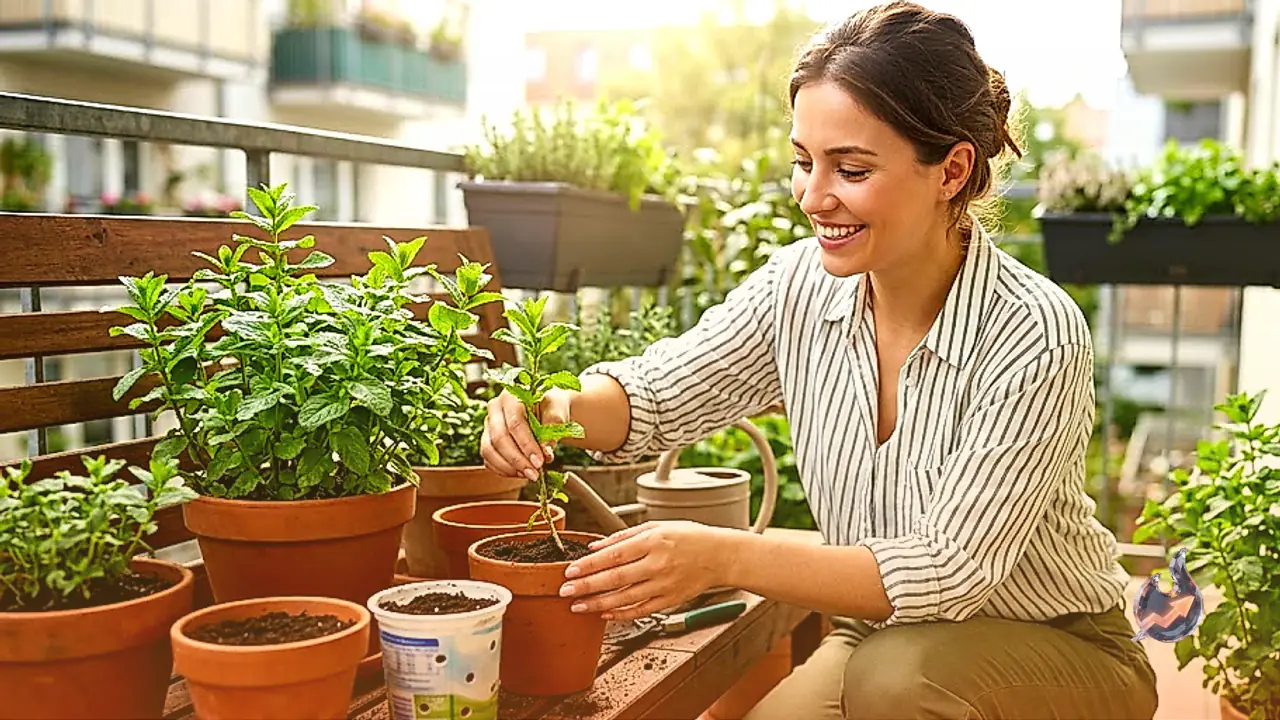

Indian cooking frequently relies on the bright flavor and cooling aroma of mint, whether it is used to prepare a spicy condiment or brewed into a warm cup of herbal tea. Running out to local vendors whenever a recipe calls for a handful of fresh sprigs often means dealing with wilted stems and faded aroma. Harvesting crisp green leaves directly from a container right outside on the balcony offers an entirely different culinary experience. Cultivating this herb at home requires minimal space and eliminates the need for sprawling yards, expensive raised beds, or specialized gardening tools.
A simple shallow planter, a splash of sunlight, and attentive everyday care can easily keep a home mint supply thriving across every season. Even beginners who have struggled to keep house plants alive in the past will find mint unusually forgiving and energetic. The plant establishes itself with remarkable persistence and rarely fails as long as its basic soil texture, sunlight exposure, and moisture needs are met. Learning these fundamental requirements allows anyone to turn ordinary leftover kitchen cuttings into an abundant and sustainable container garden.
Rooting Fresh Stems in Clear Water
Starting mint plants from healthy mature stems purchased from the market remains the quickest and most reliable propagation technique. Select thick, vibrant green cuttings that show no signs of rot, bruising, or yellowing along their central stalks. Carefully pluck off the leaves from the bottom section, leaving a clean lower stem area while keeping several healthy leaves intact near the very top. Place the prepared stems upright inside a small glass of fresh room-temperature water, making sure that none of the remaining foliage gets submerged beneath the surface. Within several days, delicate white roots will begin pushing out from the lower nodes submerged in the liquid. Once these roots grow strong and spread outward, the rooted cuttings become ready to transition into permanent potting soil.
Selecting Shallow Wide Pots with Proper Drainage
The root system of mint behaves quite differently from taproot vegetables, preferring to spread horizontally across the top layers rather than driving deep down into the earth. For this reason, choosing a wide and shallow container proves far superior to buying an unusually deep garden pot. Inspect the container carefully to ensure it contains adequate drainage openings along the base. Stagnant moisture pooling at the bottom of a container quickly causes root decay, suffocating the plant from underneath. Establishing dependable drainage holes acts as an essential safeguard to preserve healthy root growth through heavy watering cycles.
Blending Light Aerated Potting Mix
Mint requires nutrient-rich potting soil that drains freely while still retaining a balanced amount of interior moisture around the delicate roots. A dependable growing medium can be blended by combining ordinary garden soil with equal parts well-rotted organic compost or vermicompost. Heavy, sticky clay must be avoided because dense soil compacts easily, traps excessive water, and deprives root systems of essential oxygen. Aerated, spongy soil allows the roots to branch out horizontally without restriction, supporting steady foliage production above.
Managing Light Exposure and Afternoon Shade
While mint plants depend on natural illumination to generate vigorous growth, subjecting them to intense direct midday heat can cause tender foliage to scorch and droop. Position your container in a balcony corner or window space that receives gentle morning rays or bright ambient daylight throughout the morning hours. If the balcony faces strong afternoon sun, shifting the planter behind taller foliage or offering partial shade during peak afternoon hours keeps the delicate leaves vibrant and tender.
Watering According to Soil Moisture Cues
Proper hydration plays an important role in container herb maintenance, yet overwatering poses just as much danger as prolonged drought. Instead of soaking the soil daily or adhering to a rigid calendar schedule, assess the soil directly by pressing a finger gently into the top layer. Apply water only when the surface feels distinctly dry to the touch. During warmer dry spells, the container may demand more frequent hydration, whereas rainy or humid weather significantly reduces moisture loss. Watching the soil surface provides an accurate, dependable guide for maintaining steady hydration.
Encouraging Dense Growth Through Regular Harvesting
Frequent pruning stands out as one of the most effective techniques for expanding a potted mint crop. As soon as the central stems mature and show steady leafy growth, pinch back the tender top tips on a regular basis. Trimming the top growth signals the plant to produce multiple secondary branches from side buds, transforming a single thin stalk into a compact, bushy mound. If small floral buds begin to appear, pinch them off immediately. Removing emerging flower buds prevents the herb from shifting its energy into seed formation, keeping its metabolic focus firmly locked on leaf development.
Isolating Containers to Prevent Root Crowding
Gardeners must avoid leaving expanding mint plants trapped inside tiny nursery pots for prolonged periods. The extensive root runners spread aggressively and quickly fill up restricted soil volume. Planting mint alongside other vegetables or companion herbs inside a shared container often results in mint overtaking the entire root zone and outcompeting neighboring plants. Dedicating an independent pot exclusively to mint prevents root competition. Loosening the crusty topsoil occasionally and removing yellowed bottom foliage keeps the plant ventilated and vigorous.
Perennial Regrowth and Multiplying Plant Stocks
Mint functions as a dependable perennial herb that regenerates year after year when supplied with appropriate basic care. When gathering leaves for everyday meals, avoid uprooting the entire plant; simply snip individual stems and foliage with clean kitchen shears. As the mother plant matures and sends out fresh healthy branches, harvest additional cuttings and root them in water to establish secondary planters. Over time, an initial bundle of kitchen herbs can expand into multiple healthy pots. Mint will not thrive solely on neglected watering; balancing balanced morning light, aerated soil drainage, and measured hydration guarantees a continuous kitchen supply.