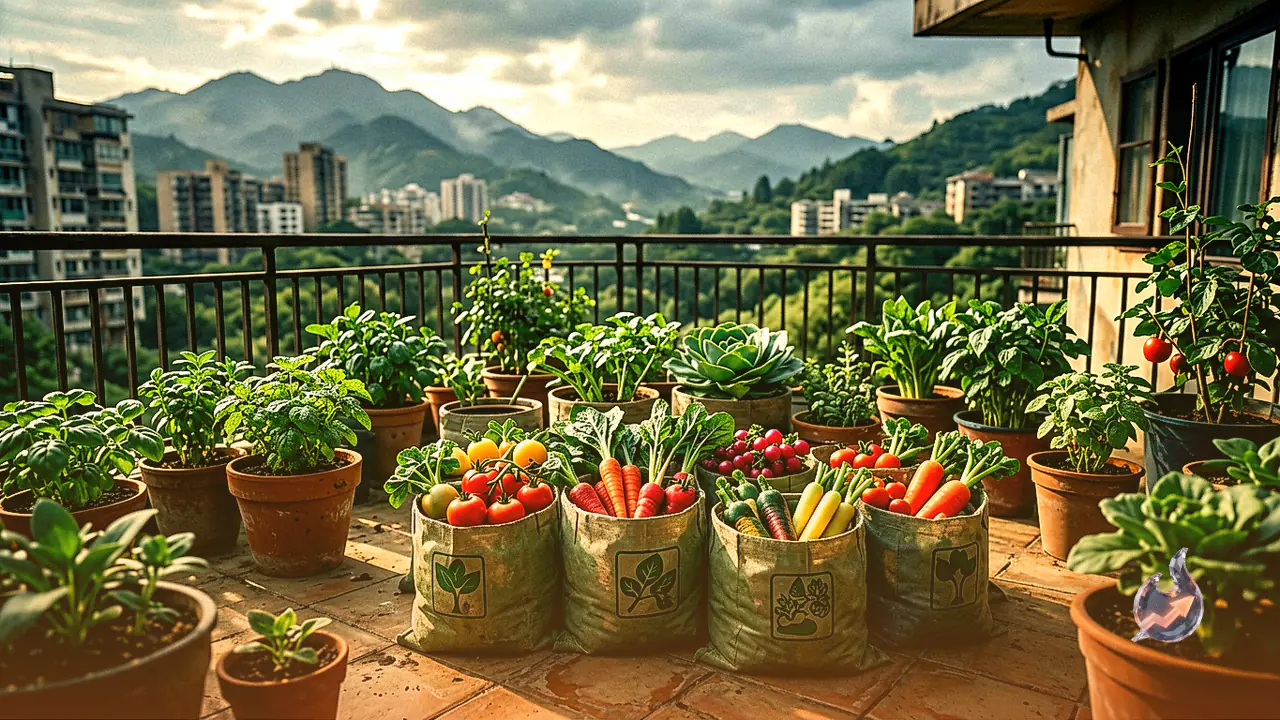























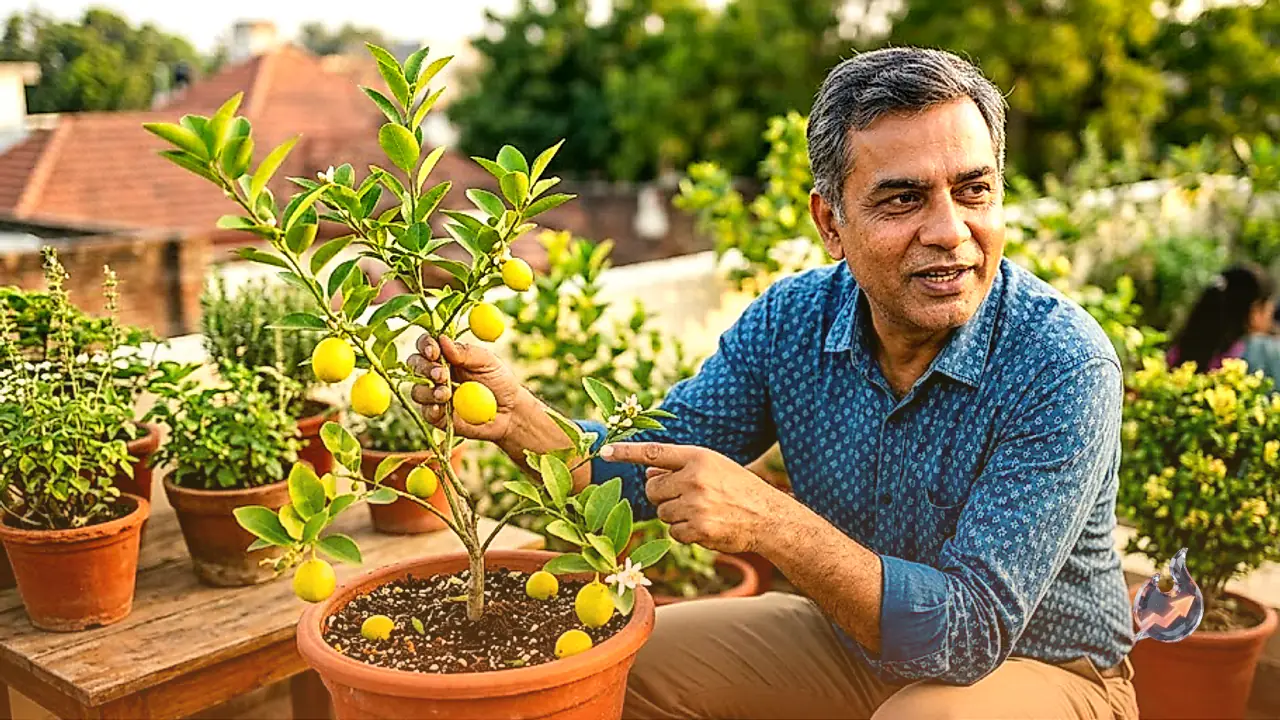

For anyone wanting to grow fresh fruit in a home garden or balcony, the Hajara lemon proves to be an excellent choice. Looking quite attractive much like an orange, this variety can be easily cultivated inside a pot without requiring much space. With the right care, multiple flowers and fruits begin to appear together on its branches. During the summer and rainy seasons when market prices for lemons spike, having this plant at home becomes extremely useful. Gardening expert Chandra Shekhar Mishra explains the easiest way to grow a lemon plant in a pot.
Choosing the Right Pot and Drainage
Since the roots of a lemon plant spread out well, it is best to use a 15 to 18 inch pot right from the beginning. You can use either a clay pot or a cement container depending on your preference. There must be adequate drainage holes at the bottom of the container. If water keeps accumulating inside, the roots of the plant can rot and its overall growth will be severely affected.
Preparing the Soil Mix
Create a light and well-draining soil mixture for the lemon plant. To do this, combine about 50 percent normal garden soil, 30 percent vermicompost or old cow dung manure, and 20 percent sand. Adding a small amount of neem cake to the soil provides good nourishment to the plant and helps maintain overall soil quality over time.
Selecting and Planting the Sapling
Although a lemon plant can theoretically be grown from seeds, it takes a long time to bear fruit. If you want a quicker harvest, getting a grafted or healthy pre-grown plant from a reliable nursery is a much better option. While purchasing the plant, carefully inspect its roots, main stem, and leaves before making your final selection.
Sunlight and Watering Needs
Sufficient sunlight is absolutely essential for the healthy growth of a lemon plant. Always place the pot in a spot where it receives about 6 to 8 hours of direct sunlight every day. A lack of sunlight can stunt the plant's growth and negatively impact flowering and fruiting. Water the plant regularly, but make sure that water does not stagnate in the container. Summer heat dries out the soil quickly increasing watering needs, while winter requires relatively less water. Always check the top layer of soil for moisture before watering.
Manuring and Pruning Techniques
The lemon plant requires high nutrition, so feed it with vermicompost or decomposed cow dung manure once a month. When flowering begins, keep the nutrient levels balanced. Homemade alternatives like fertilizer made from banana peels can also be tested, but do not exceed the required quantity. Keep pruning the dry, weak, and unnecessary branches of the plant from time to time. This gives the plant a proper shape and encourages the growth of new branches. According to Chandra Shekhar Mishra, by keeping these small factors in mind within a limited space, you can easily get fresh lemons at home.