





















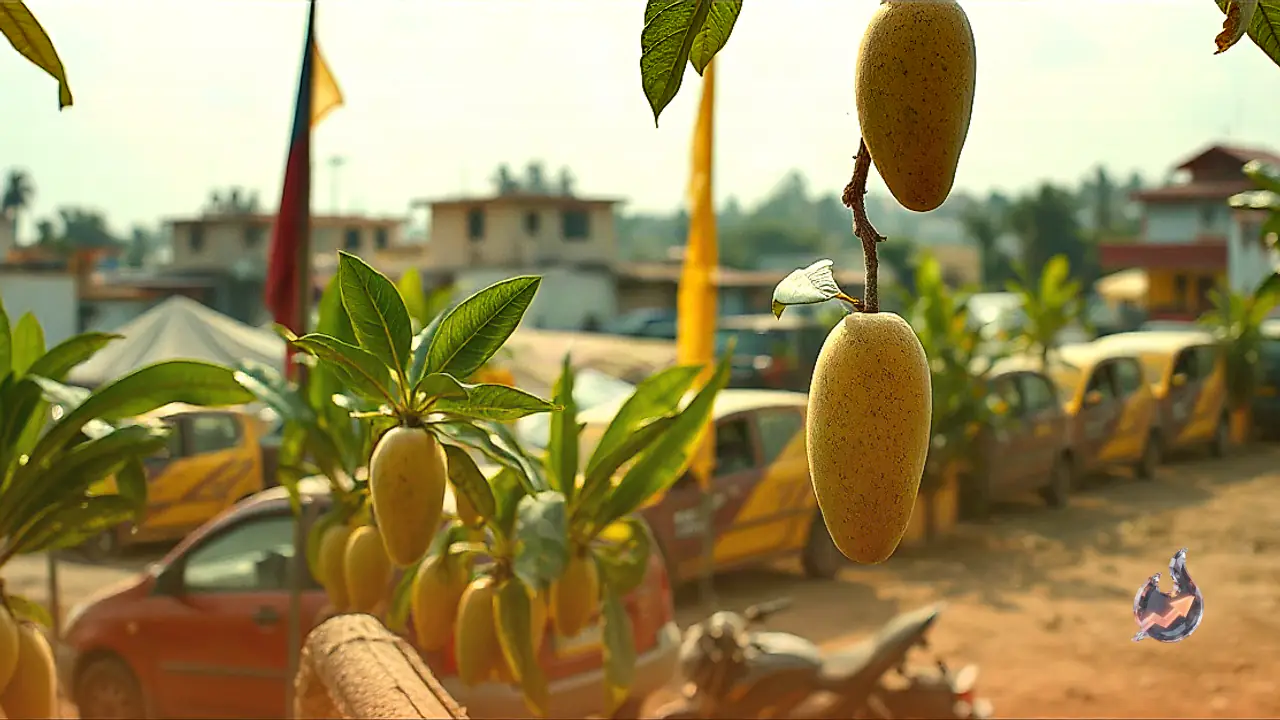

As soon as the mango season arrives, households across the country start welcoming various famous varieties like Dasheri, Langra, Chausa, Amrapali, and Alphonso. Once the delicious fruit is consumed, the vast majority of people simply discard the hard stones into the trash. However, gardening enthusiasts with sufficient backyard space can easily utilize these very stones to propagate brand-new plants. The proper process begins by taking healthy and undamaged stones, thoroughly washing them with clean water, and letting them dry in the shade for a brief period before placing them directly into the soil.
Expert Advice from Kishan Malda and Stone Selection
Kishan Malda from Bageshwar explains that if you happen to have a home garden with adequate open space, you can easily collect the stones of various mango varieties. Keeping the seeds of Dasheri, Langra, Chausa, Amrapali, and any local flavorful mango separated from one another is a smart approach. It remains much better to label every individual stone with its respective variety name so that identifying the mature plants later on does not become a confusing hassle. Instead of keeping the stones lying around in poor conditions for a long time, sowing them while they are still fresh proves to be far more useful.
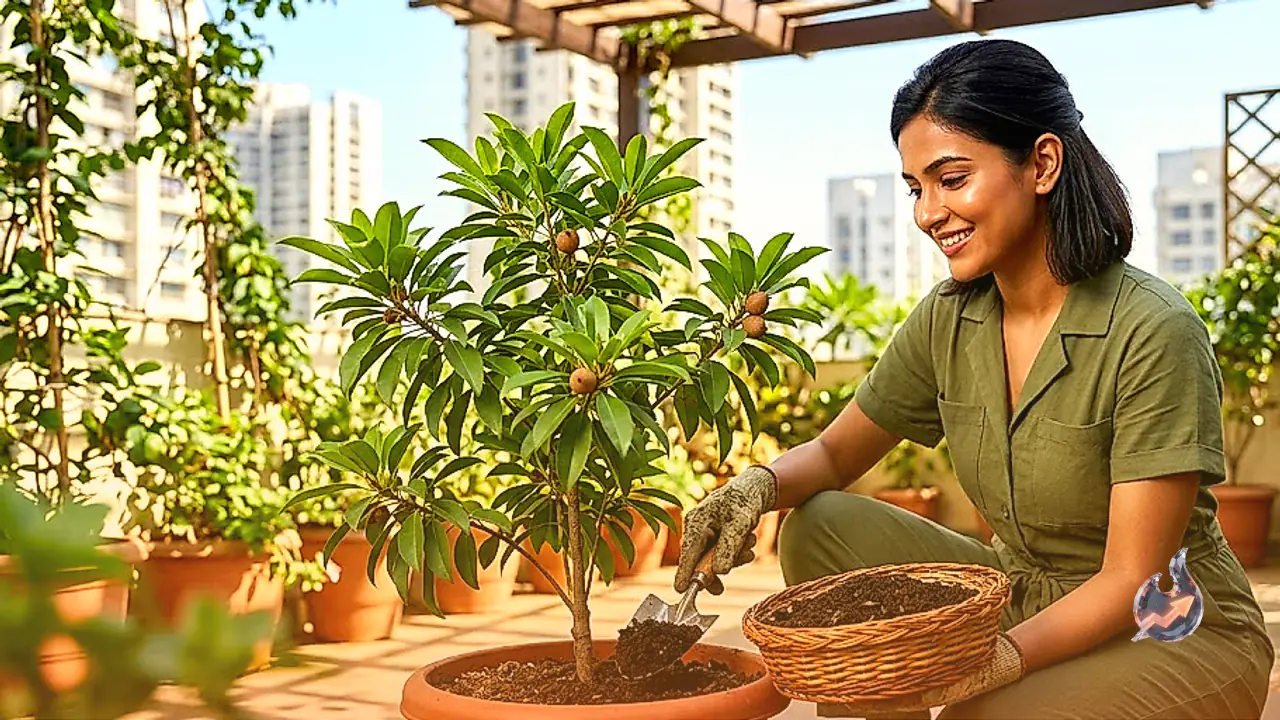
When choosing a spot to plant your mango stone, select a location where stagnant water never collects and sunlight is abundantly available. The soil must be loose, crumbly, and equipped with proper drainage capabilities. Maintaining adequate moisture levels immediately after planting the stone is vital, but you must avoid overwatering the soil excessively. Once the tiny seedling finally breaks through the ground, continuously clear away the surrounding grass and weeds. In professional mango nursery production, stones are primarily utilized to develop strong rootstocks.
Proper Care and Guidelines from the Indian Council of Agricultural Research
When a healthy stone receives favorable soil conditions, adequate moisture, and optimal temperature, tiny sprouts begin emerging from it. Gradually, this delicate sprout transforms into a sturdy young plant featuring a strong stem and vibrant green leaves. During the initial growth phase, protecting the tender plant from harsh gusty winds, grazing animals, and excessive water accumulation is absolutely essential. If you plan on cultivating multiple plants within your home garden, make sure not to space them too close to each other. As they mature into full-grown trees, mango plants require a substantial amount of physical space. The Indian Council of Agricultural Research emphasizes maintaining proper planting distances and ensuring excellent drainage for healthy mango cultivation.
Understanding Fruiting Timelines: Seeds Versus Grafting
It is important to keep in mind that a mango plant grown purely from a raw seed will not automatically start bearing fruit within just three years. Seed-grown plants can notoriously take quite a few years before they ever produce their first crop of fruit. According to information provided by Tamil Nadu Agricultural University, plants cultivated directly from mango seeds can take anywhere up to seven to eight years to yield fruit, whereas grafted plants are capable of bearing fruit comparatively much sooner.
The Importance of Grafting Techniques for Diverse Yields
If your ultimate goal is to harvest various distinct flavors and fruit varieties from the very same garden, practicing grafting on seed-grown plants can prove to be immensely valuable. This method involves utilizing a sturdy, established plant as a rootstock and joining it with a healthy branch or scion of your preferred mango cultivar. According to Tamil Nadu Agricultural University, stone or epicotyl grafting serves as a rapid and cost-effective method for propagating mango plants. Several specialized agricultural techniques indicate that grafted trees yield fruit noticeably faster than seedling trees.
Growing Multiple Varieties on a Single Tree
Individuals experimenting within larger gardens can consult agricultural experts not only to grow individual trees but also to learn the proper techniques required to graft multiple distinct fruit varieties onto a single tree trunk. Information compiled by Tamil Nadu Agricultural University highlights examples where mango varieties sharing similar growth rates were successfully grafted onto the exact same tree. However, executing this task successfully demands considerable hands-on experience and precise technique. Applying the scion incorrectly can leave the entire plant weak or cause the grafting attempt to fail entirely.
Utilizing leftover mango stones to cultivate new plants can serve as an exceptionally engaging and rewarding experiment for any home gardener. It allows you to repurpose stones that would otherwise be carelessly thrown away into valuable greenery. Nevertheless, it is essential to understand that a seedling plant does not guarantee fruit with the exact same genetic variety and flavor profile as the original parent fruit. If you specifically desire a particular favorite variety, performing a graft of that exact cultivar onto the plant remains the far superior option.