























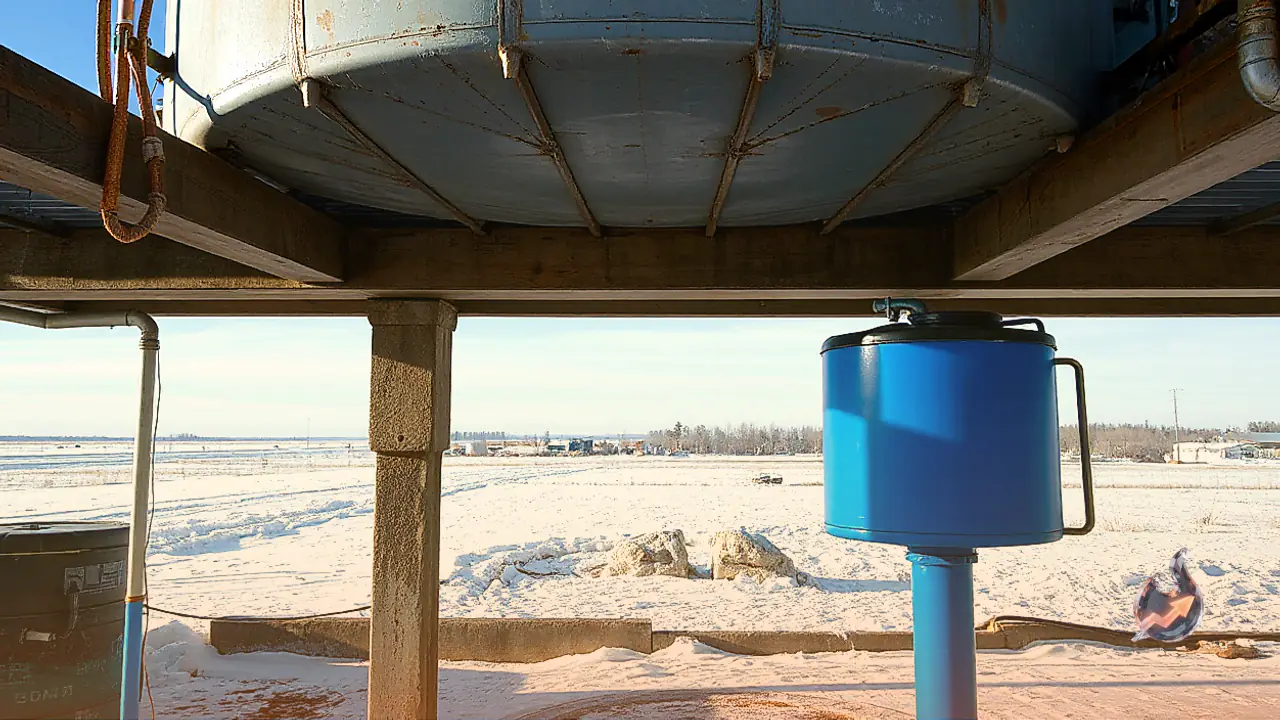

During severe winter days, water stored in rooftop overhead tanks often turns bitterly cold, making morning routines and household chores painful. Performing essential daily tasks such as bathing, washing hands, or cleaning dishes becomes a daily struggle when water temperatures plummet. By adopting a few practical and systematic maintenance measures, homeowners can maintain relatively moderate water temperatures inside exposed storage units, ensuring smooth daily household operations throughout the colder months.
Insulating the Tank Surface with Thermal Covers and Sacks
Rooftop tanks installed in open areas remain continuously exposed to biting winds, nighttime frost, and severe weather fluctuations. Wrapping the outer body of the tank with dedicated thermal insulation sheets, thick foam padding, or traditional jute sacks significantly reduces direct contact with cold ambient air. This protective thermal barrier prevents rapid heat loss from the tank walls, helping the stored water retain its baseline temperature over prolonged hours rather than dropping rapidly toward freezing levels.
Harnessing Natural Sunlight and Utilizing Black Color
The exterior shade of a storage tank directly affects how much ambient thermal energy it captures during daylight. Black surfaces naturally absorb higher volumes of solar radiation compared to lighter shades, allowing the interior water volume to gain warmth throughout the afternoon. Installing a black water tank, or applying a dark protective coat of paint to an existing one, serves as an effective heat trap. Additionally, homeowners must clear obstructions around the tank to prevent shadows, ensuring uninterrupted exposure to direct winter sunlight so that stored water remains comparatively warmer into the night.
Integrating a Dedicated Solar Water Heating Unit
For households with an adaptable home improvement budget, installing a dedicated solar water heater represents an exceptionally efficient long-term solution. This setup harnesses clean renewable solar energy to warm water supplies without driving up monthly electricity expenses or relying on cooking gas cylinders. Many domestic properties successfully interconnect their main storage reservoirs with solar heating loops, guaranteeing steady warm water distribution across bathrooms and kitchen taps for the entire family.
Securing the Lid and Wrapping Exposed Distribution Pipes
A tightly fitted, heavy-duty lid on top of the storage tank remains vital for temperature retention. Loose, cracked, or improperly closed covers permit chilling winter breezes to enter the interior cavity directly, rapidly draining warmth from the standing water volume. Furthermore, protecting the exposed distribution pipeline that travels from the roof down to individual taps is equally critical. Even if water inside the main reservoir stays relatively temperate, uninsulated exterior pipes cause it to lose heat rapidly in transit. Wrapping specialized insulation sleeves or protective covers around exposed plumbing runs successfully eliminates this issue.