





















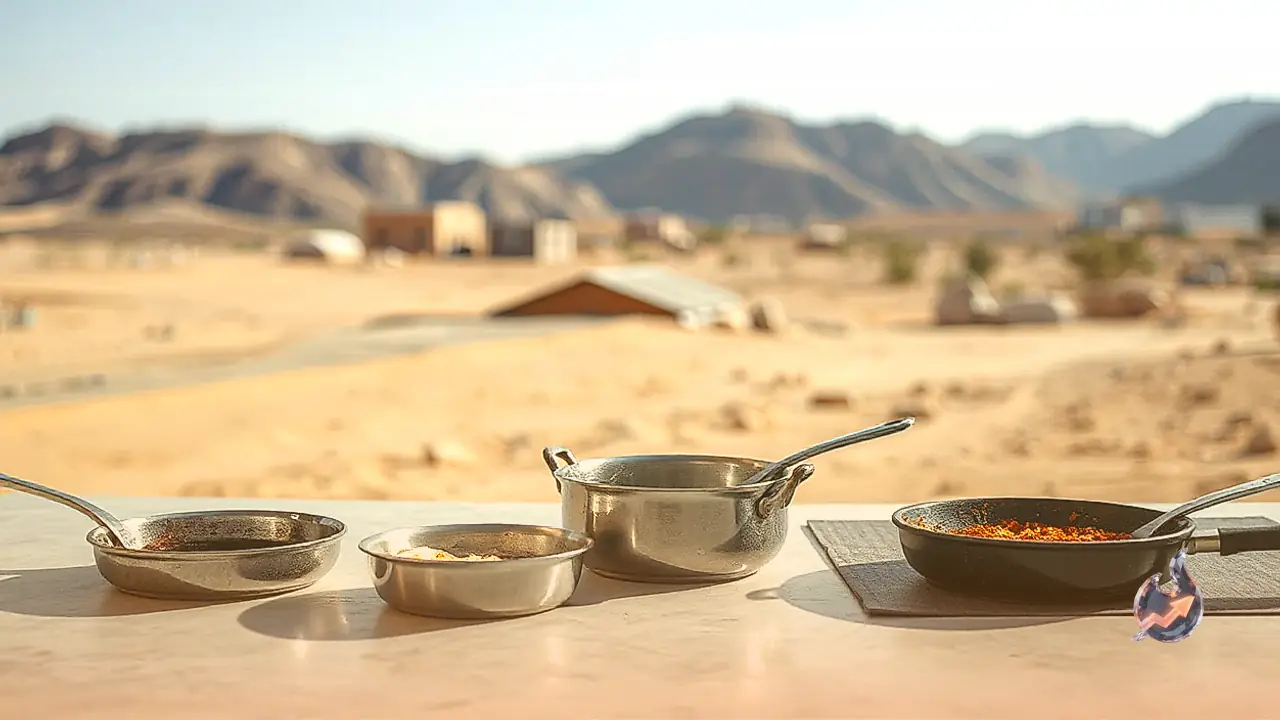

Non-stick pans remain an essential component in modern kitchens, serving daily cooking needs with ease. The primary convenience of cooking healthy meals with minimal oil or no fat at all makes these utensils widely favored. Over extended use, heavy layers of stubborn cooking oil, sticky grease, and burnt spice stains begin to settle across the surface. Getting rid of this baked-on grimy buildup often turns into a strenuous chore. Many cooks mistakenly resort to harsh wire mesh scourers or aggressive cleaning chemicals, which inadvertently rip off the delicate non-stick finish and render the utensil unusable. Simple, gentle household remedies offer an effortless way to break down persistent grime while keeping the cookware completely intact.
Baking Soda and Vinegar Treatment
A combination of common white vinegar and baking soda serves as one of the most reliable solutions to dissolve stubborn greasiness without damaging kitchenware. To apply this method, begin by pouring one cup of regular water into the stained non-stick pan, followed by two teaspoons of white vinegar. Place the pan on the stove and bring the mixture to a rolling boil. Once it has boiled thoroughly, discard the liquid and allow the pan to rest until it cools down slightly to avoid thermal damage. Next, prepare a thick paste by combining one tablespoon of baking soda with a splash of water in a small bowl. Spread this paste directly over the stubborn grease marks and burnt sections of the pan. Let the mixture sit undisturbed for several minutes so the mild abrasive properties can break down the oily layers. Gently wipe the pan using a soft foam sponge in small circular motions before rinsing it clean under water.
Lemon Infused Boiling Water Technique
Lemon contains strong natural citric acid, an element recognized for breaking down sticky oil and thick greasy coats quickly. To utilize this practical kitchen trick, fill the oily non-stick pan with water and drop in chopped slices of one whole lemon. Set the pan over heat and let the water boil vigorously along with the citrus pieces. Once boiling is achieved, turn off the stove flame and allow the hot lemon liquid to sit directly inside the pan for 15 to 20 minutes. The hot steam coupled with natural acidity gradually softens and loosens the bonded layer of grease and dried spices. After the soaking period ends, pour out the liquid, dab a standard dishwashing liquid gel onto a soft sponge, and wash away the loosened film effortlessly.
Extended Soak with Liquid Dish Soap and Warm Water
Rinsing greasy non-stick surfaces under cold tap water frequently fails to dislodge stubborn layers of cooking fat, making a dedicated warm soak necessary. To execute this step, take the dirty non-stick pan and fill it with hot water. Add a few drops of mild liquid dish soap into the water, mixing gently to create a soapy solution. Leave the pan to soak untouched for roughly thirty minutes to a full hour. Once the standing water cools completely to room temperature, pick up a gentle sponge and clean the pan thoroughly across both its inner surface and outer sides. The extended soaking time softens the hardened fats, allowing the greasy accumulation to wipe off cleanly without abrasive rubbing.