






















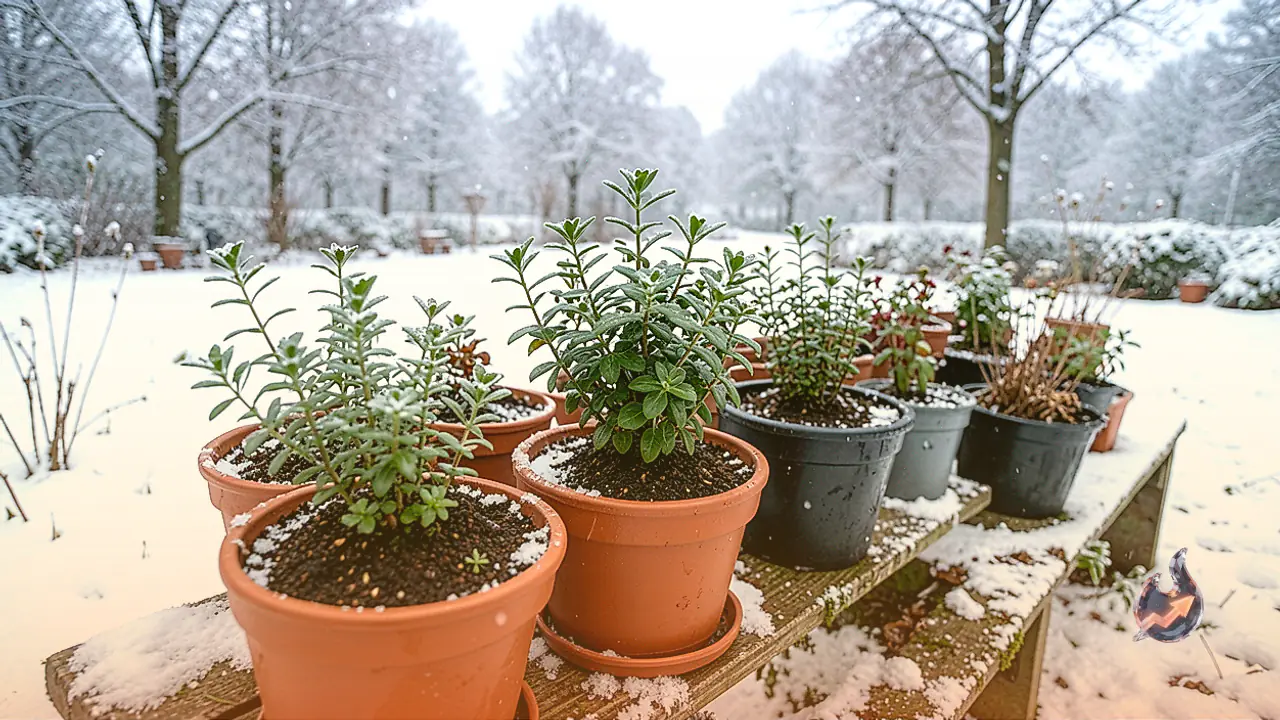

As winter temperatures drop, the approach to caring for plants needs a complete shift compared to the warmer months. Many people continue their routine summer watering schedules straight through the cold season, but this habit can prove extremely harmful to greenery. Since winter days offer less sunshine, soil takes much longer to dry out, and supplying excessive water causes roots to rot and leaves to wither. Understanding the correct frequency and timing for watering potted plants during winter is essential for keeping them thriving.
How Excess Water Rots Roots and Affects Plant Growth
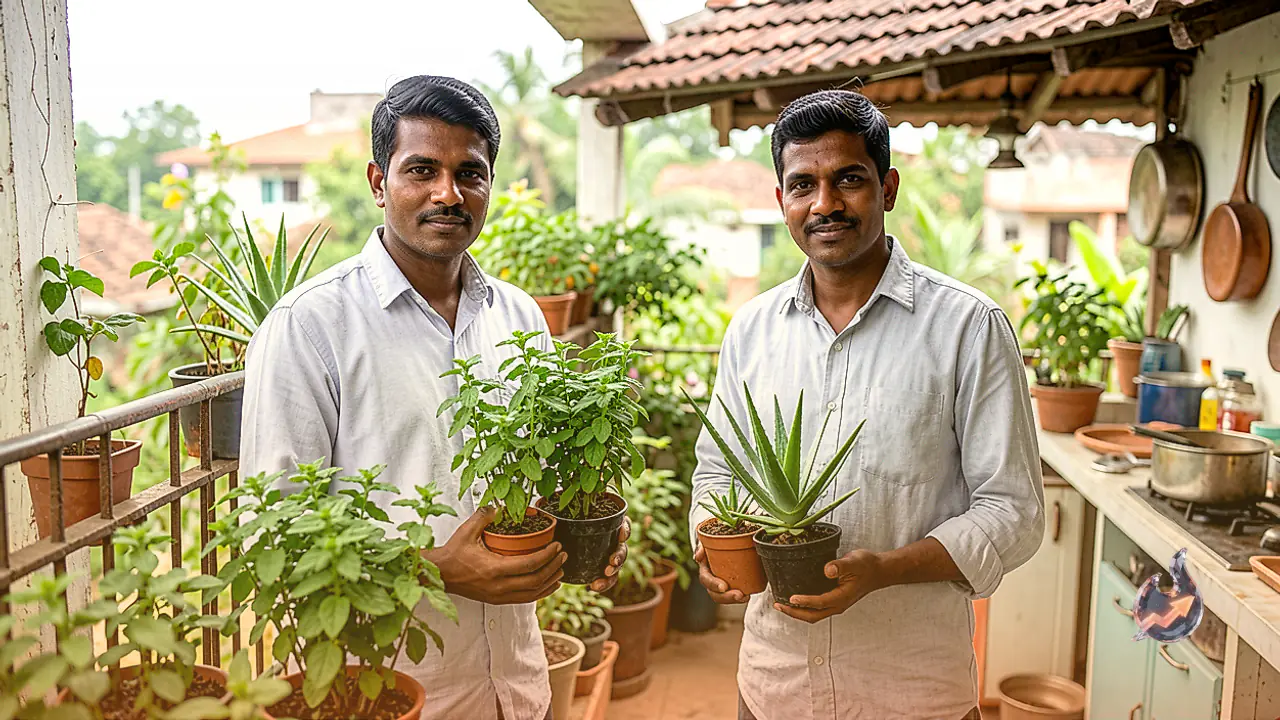
Gardener Ram Sagar explained that winter weather impacts plants just as it affects humans. As the mercury falls, the growth rate of many plants slows down, new leaves emerge less frequently, and some foliage changes color or begins to shed entirely. Flowering also declines in several varieties during this period. This slowdown happens largely because people give plants just as much water as they did in summer, causing moisture to accumulate around the roots and leading to decay. The visible damage eventually shows up directly on the leaves and overall health of the plant.
The Right Way to Water Potted Plants in Winter
Determining how much water a plant needs and when to supply it plays a vital role in winter survival. Water should generally be given only when the top one to two inches of the potting soil feels dry to the touch, keeping the container size and plant type in mind. Pour the water slowly so that it absorbs properly into the soil, and ensure the drainage hole at the bottom of the pot allows any excess water to escape freely. This prevents stagnant moisture from damaging the root system.
How Many Times a Week and What Time to Water
During the winter months, plants typically require watering about twice a week. Morning is considered the best time to water because the ensuing daytime sunlight helps balance the soil moisture gradually. While evening watering is acceptable on milder days, it should be avoided during severe cold snaps or at night, as low temperatures keep the soil wet for extended periods. Every plant has unique requirements, so checking the condition of the soil beforehand ensures that your potted plants remain fresh and vibrant throughout the entire winter season.