




















Across celebratory spreads and festive gatherings, few confections command as much adoration as syrup-soaked milk dumplings. Sweet displays frequently showcase both Gulab Jamun and Kala Jamun alongside each other, often prompting curiosity over how two treats made from comparable foundational ingredients turn out so strikingly different. Although both recipes rely centrally on reduced milk solids, binder flours, and cardamom-scented sugar syrup, deliberate nuances in cooking durations and heat application transform their appearance, interior consistency, and final flavor profiles into entirely distinct culinary experiences.
The Classic Method Behind Tender Gulab Jamun
Gulab Jamun holds enduring pride of place in traditional Indian confectionery. Its preparation begins with freshly prepared khoya, milk powder, or a balanced blend of both elements to establish a rich dairy foundation. To achieve structural stability and avoid disintegration during cooking, halwais incorporate small portions of refined flour or alternative binding agents into the dough. Smooth, fissure-free spheres are rolled by hand and eased into medium-hot ghee or cooking oil. The dumplings fry gently until their surfaces achieve an even, radiant golden-brown finish. Once lifted from the oil, they rest submerged in warm, aromatic sugar syrup until fully saturated. This standard method produces a remarkably spongy, delicate confection known for its mild milkiness and melt-in-the-mouth crumb.
How Extended Cooking Transforms Kala Jamun
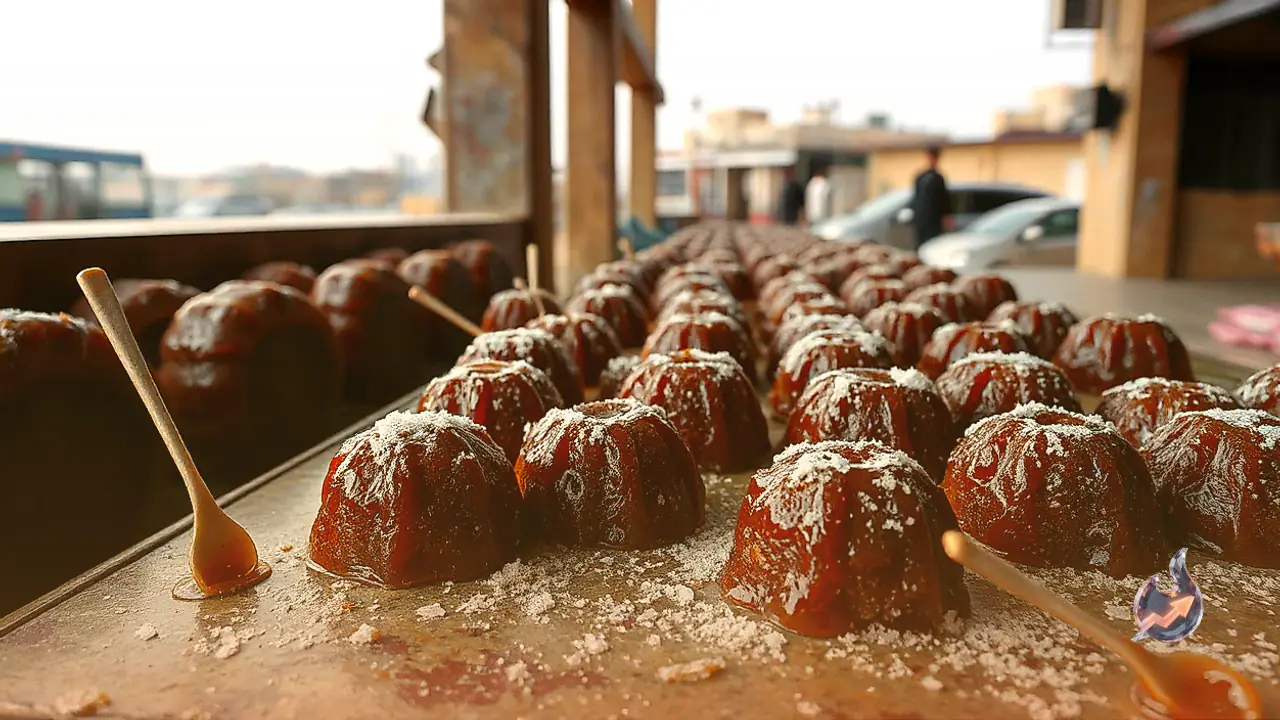
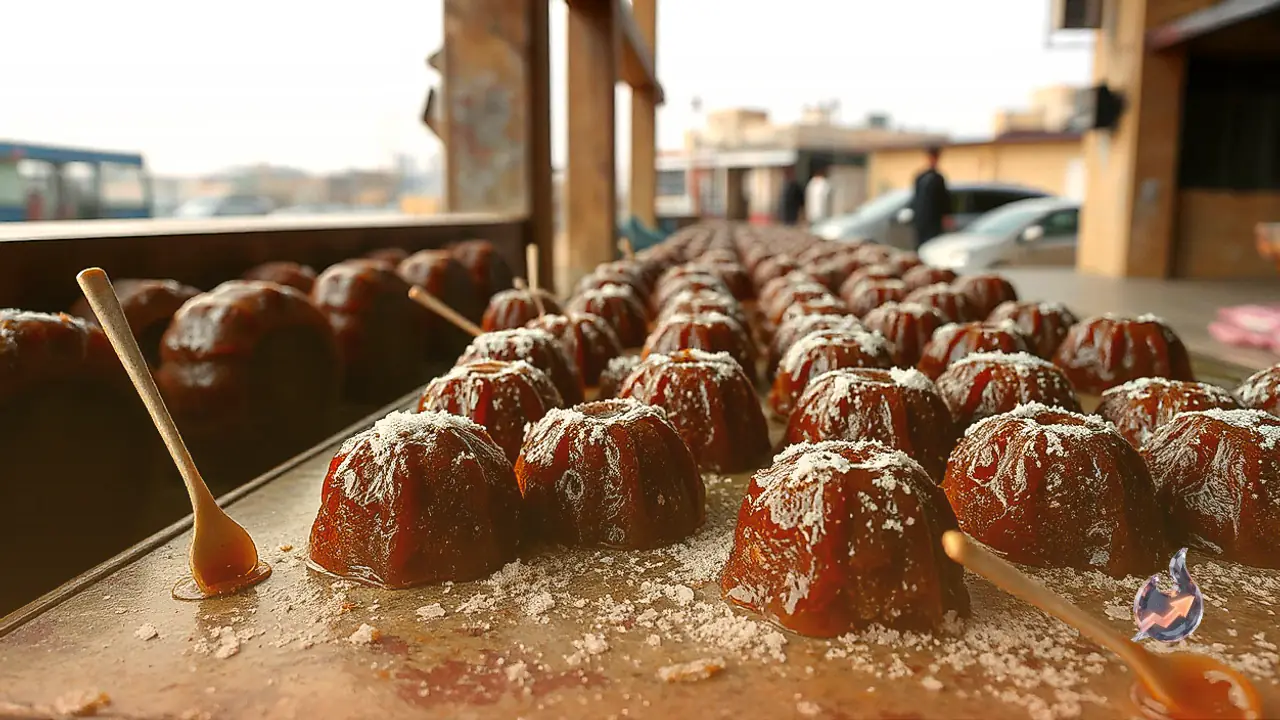
Kala Jamun represents an evolved, darker sibling within the same confection family. While the recipe begins with a very similar dough comprising khoya and related binding ingredients, the frying stage deviates significantly from standard procedures. Instead of being pulled upon turning golden, these spheres undergo a prolonged frying session over steady, calculated heat. Extended exposure to high temperatures triggers profound caramelization within the dairy sugars and solids, shifting the surface shade to a deep mahogany that borders on jet black. This deliberate cooking phase also imparts an unmistakable toasted caramel aroma that permeates beneath the shell.
Structural Divergence in Shell and Crumb
A closer look at the cross-section reveals unmistakable differences in mouthfeel and density. Gulab Jamun retains absolute tenderness throughout, yielding softly to a spoon with virtually uniform consistency from its surface down to the core. Kala Jamun, by contrast, develops a perceptible, slightly resistant outer skin as a direct outcome of extended frying. Beneath this firmer casing, the interior dough remains noticeably denser and tighter compared to its lighter golden counterpart, giving it a substantive bite rather than purely fragile sponginess.
Flavor Profiles and Serving Traditions
The culinary journey of each confection appeals to contrasting palate preferences. Gulab Jamun offers a straightforward, soothingly sweet dairy taste paired closely with light cardamom and rosewater infusions in the syrup. Kala Jamun counterbalances traditional sweetness with a robust, smoky caramel undertone shaped by the toasted solids. In both instances, total sweetness remains modulated by syrup concentration and individual artisan recipes. Serving styles also diverge around temperature conventions. Gulab Jamun delivers its best impression served fresh and piping hot alongside floating syrup, whereas Kala Jamun holds its structural integrity and intense flavor exceptionally well at room temperature, catering to those who appreciate a firm crust and deep, caramelized richness.