





















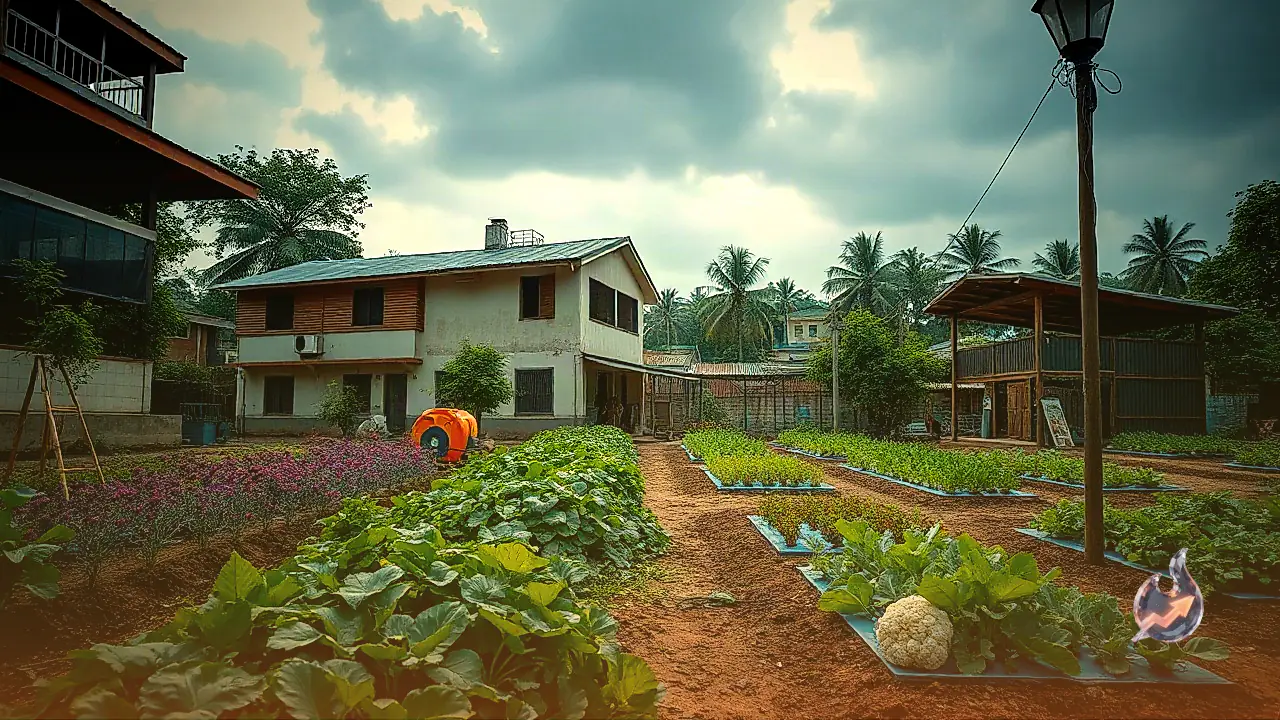

With the rainy season coming to an end, gardening enthusiasts across homes and terraces can begin setting up their winter vegetable patches. September serves as a crucial turning point for container gardeners and backyard growers. By timing the seeding and sapling transplantation accurately during this window, households can ensure a steady supply of fresh, homegrown produce throughout the colder months.
Setting Up Cauliflower in the Right Climate
Cauliflower remains one of the staple cool-season crops, and the period spanning August through September is widely regarded as optimal for transplanting its seedlings. Senior Horticulture Department Officer Pratiksha Mishra pointed out that preparation for cauliflower should commence right away. The crop thrives best under cool climatic conditions where temperatures hover between 15 and 25 degrees Celsius. Establishing the seedlings right now allows them to mature steadily and be fully developed by the onset of winter.
Soil Conditions and Adequate Plant Spacing
Achieving a generous yield depends heavily on the structure and texture of the growing medium. Light sandy loam soil that provides thorough water drainage offers the best foundation for healthy cauliflower development. Whether growing directly in ground beds or utilizing pots and grow bags, maintaining a gap of roughly 40 to 50 centimeters between individual plants is necessary. This generous spacing ensures that developing plants receive ample room, direct light, and unrestricted airflow.
Managing Carrots, Radishes, Cabbage, and Spinach
Root vegetables such as carrots can also be cultivated effortlessly in containers and grow bags right now. After scattering carrot seeds, fresh sprouts generally appear in about 15 days, while the complete crop reaches maturity over roughly 80 to 90 days. Radishes, on the other hand, require far less time and can be sown directly from seed in beds or containers. By planting small batches spaced over time, households can enjoy an ongoing harvest. Meanwhile, cabbage requires early nursery preparation followed by prompt transplanting, and spinach stands out as one of the simplest kitchen garden greens, maturing rapidly and permitting repeated leaf harvesting.
Leveraging Natural Moisture While Preventing Waterlogging
Residual moisture left in the soil following monsoon showers works to a gardener's advantage by speeding up seed germination during September. However, steering clear of standing water is paramount. Water accumulating in beds, planters, or fields quickly causes root rot, which can destroy young roots. Preparing well-drained potting mixes and ensuring functional drainage holes before planting is essential to protect the crops.