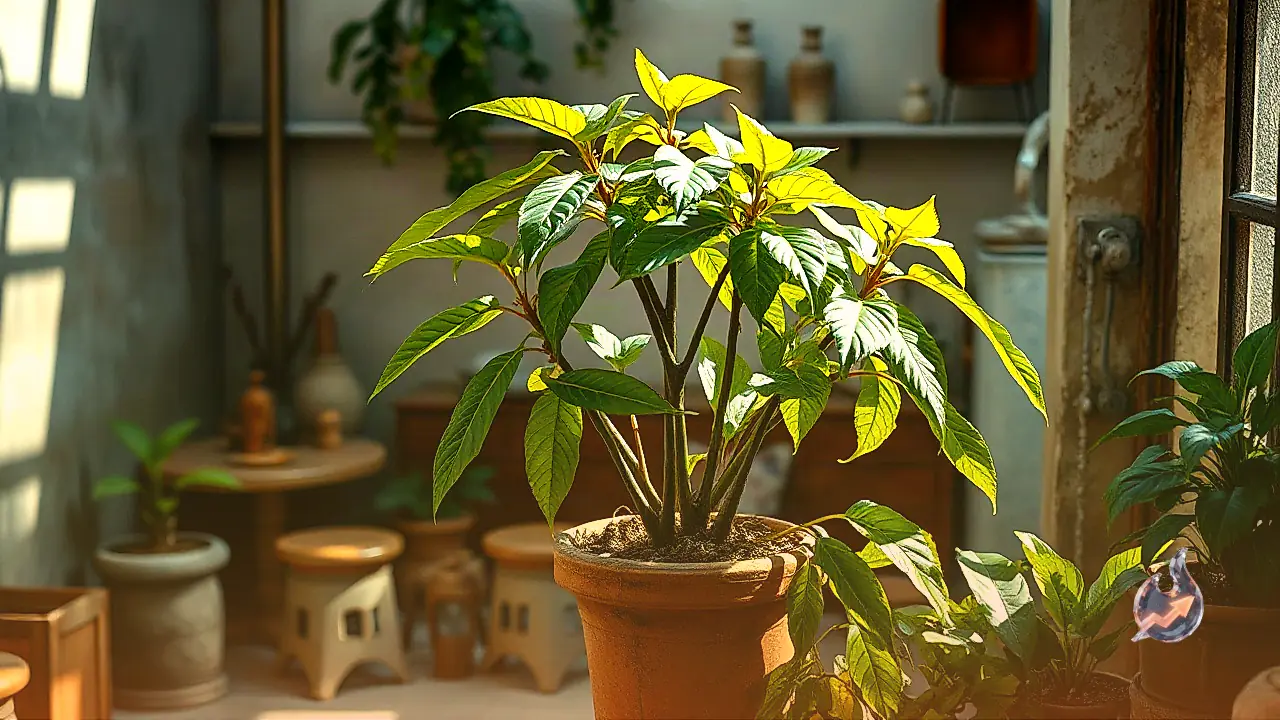
























The month of September brings a notable shift in weather patterns as the monsoon gradually retreats and a gentle chill begins to fill the air. The lingering humidity, recent rainfall, and fluctuating temperatures can directly impact the health and vitality of your plants. Consequently, providing extra care and attention is vital to keep your green spaces thriving during this transitional period. Gardeners must closely monitor soil moisture, proper drainage systems, sunlight exposure, and nutrient levels throughout this month. It is equally important to regularly prune away dry, damaged, or diseased leaves from the foliage. By keeping a few straightforward gardening practices in mind during September, you can successfully boost plant growth and maintain a lush, vibrant garden.
Frequent downpours often wash away essential nutrients from the potting soil, leaving plants undernourished. To counter this, the very beginning of September calls for gently loosening the top layer of soil in all your pots. This simple action aerates the compact earth, allowing fresh oxygen to reach the delicate root systems deep below. Following this aeration, you should enrich the soil by applying vermicompost or well-rotted farmyard manure depending on each specific plant's requirements. Gently mix the organic fertilizer into the soil using your hands and water the pots only when the plants genuinely need it.
Incorporating organic compost after soil loosening in September proves highly beneficial for revitalizing plant health. Because heavy rains leach away vital elements, adding vermicompost or aged cow dung manure helps restore the necessary nourishment that plants need to thrive. Apply the compost a safe distance away from the main stem and blend it thoroughly into the topsoil to enhance overall fertility and texture. This nourishing boost infuses fresh energy into the greenery, setting the stage for robust new leaf growth, sturdier branches, and an abundance of brilliant flowers.
The rainy season typically encourages rapid stem growth, which can sometimes cause plants to stretch out excessively and lose their natural, compact shape. Performing light pruning throughout September helps restore proper structure and neatness. During this process, you should carefully cut away any dead, weak, diseased, or overlapping branches that rub against each other. Overgrown branches can also be trimmed back by about three to four inches as needed to maintain a balanced form and stimulate fresh lateral growth. Additionally, this pruning opens up valuable pathways for sunlight and circulating air to reach the interior parts of the plant.
High humidity levels persisting through September create an ideal environment for fungal infections and destructive garden pests to thrive. Therefore, inspecting your plant stems and leaves closely and frequently throughout the month is an absolute necessity. If you spot any suspicious dark spots, powdery white coatings, rotting tissue, or fine webs on the foliage, immediately snip off the affected parts. Make sure to prevent any stagnant water from accumulating in your pots after rain or watering, and keep adequate spacing between individual containers to ensure uninterrupted airflow. Whenever pest issues arise, applying organic solutions or a diluted neem oil spray serves as an effective remedy.
Maintaining regular vigilance is paramount in September to shield your precious plants from damaging fungi and insects. As a standard preventative measure, spraying the foliage with organic neem oil once every fifteen days helps keep common pests at bay. Should you notice early warning signs of fungal disease on any specimen, apply a suitable fungicide recommended for that particular plant type. Always read and follow the exact instructions and dosage recommendations printed on the product packaging before spraying any treatment. Furthermore, actively prevent waterlogging in your pots, as prolonged root moisture drastically increases the risk of root rot and fungal proliferation.
With the gradual exit of September monsoon rains, outdoor temperatures begin to drop steadily while the potting soil retains plenty of residual moisture. Because of this natural dampness, you should strictly avoid overwatering your plants during this period. Always test the topsoil with your fingertip before reaching for the watering can. If the earth feels damp and cool to the touch, hold off on watering for a few more days. Water lightly only during the early morning hours when the soil feels dry and the plant exhibits clear signs of thirst. Excess watering causes severe waterlogging, which quickly suffocates roots and invites fatal fungal diseases.
September is widely regarded as an exceptional time of year for introducing new plants to your home garden. As the monsoon subsides, the soil stays consistently moist while the cooling temperatures provide a stress-free environment for new arrivals. These ideal conditions help fresh transplants establish strong root systems much faster than during harsh summer months. You can successfully plant roses, marigolds, periwinkles, hibiscus, holy basil, and various seasonal flowering varieties during this window. When selecting a planting spot, choose a location that receives ample sunlight and good ventilation. Use a well-draining potting mix to prevent moisture buildup, water lightly upon planting, and keep a close watch on soil moisture levels during the critical first few days.