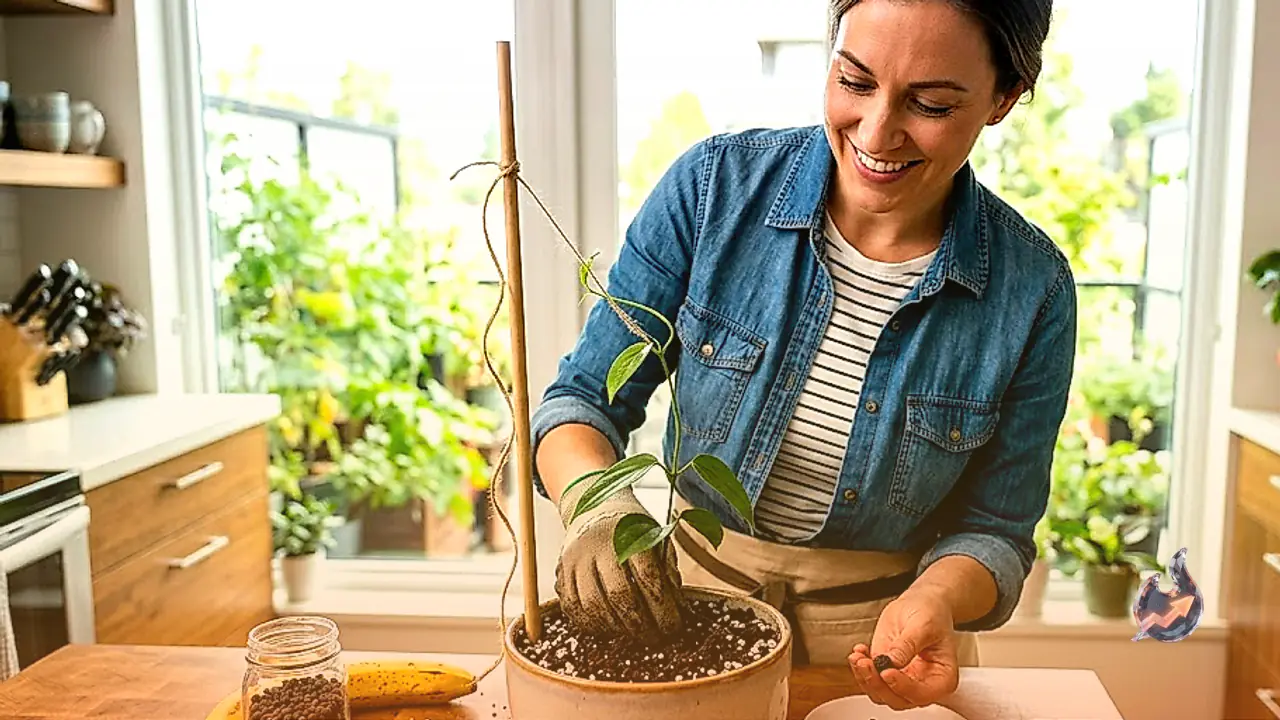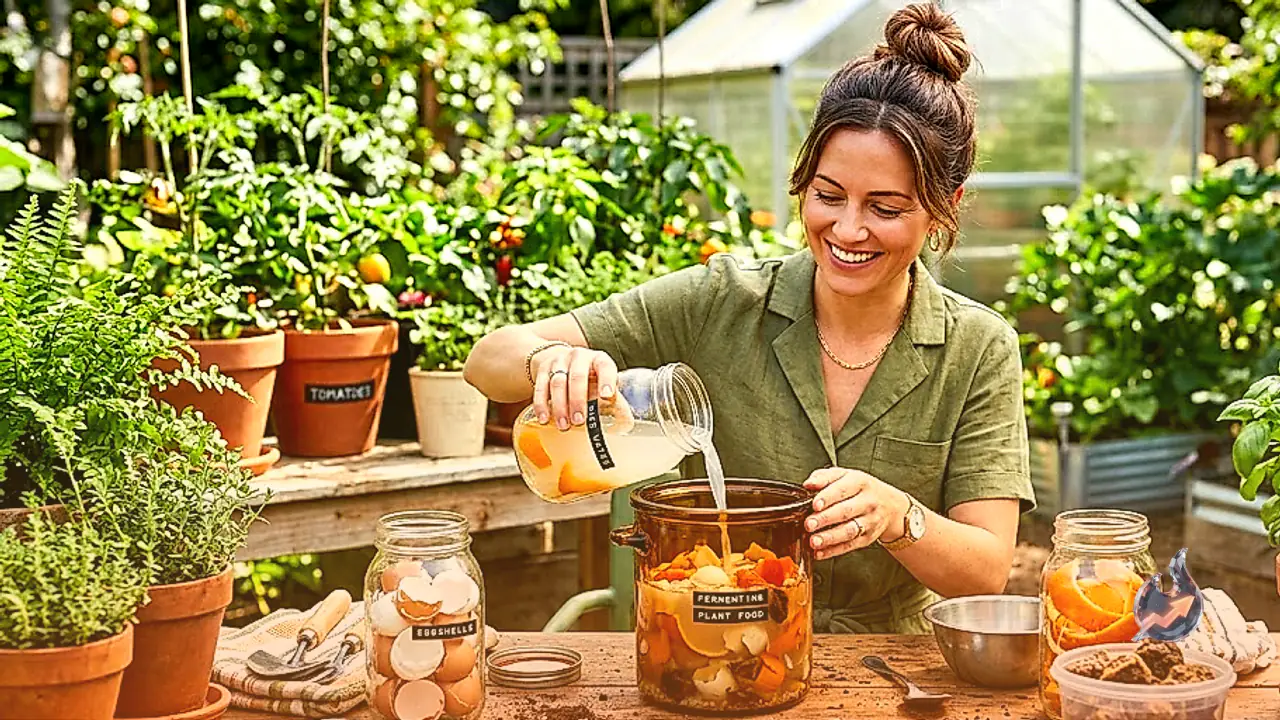























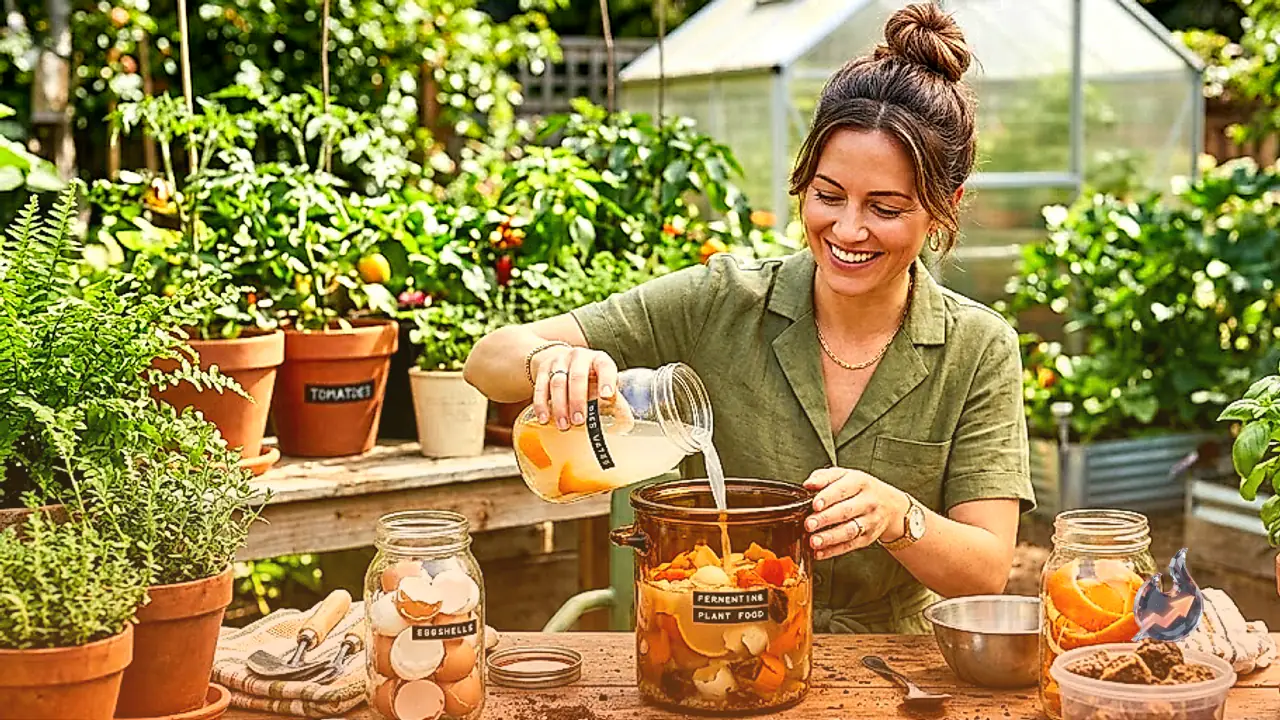

While preparing daily meals, cloudy water left over from rinsing rice almost always ends up flowing straight down the kitchen drain. For home gardening enthusiasts looking to nurture potted greenery, this discarded liquid represents a valuable resource. Rinsing raw rice washes away surface starches along with subtle trace nutrients. By combining this starchy rinse with citrus rinds, crushed eggshells, and a small quantity of jaggery, home growers can brew an effective liquid fertilizer right in their kitchens. However, mastering the proper fermentation process and application ratio is critical, as improper handling can harm delicate root systems rather than helping them thrive.
Collecting and Storing Uncooked Rice Water
Creating this organic plant booster begins with capturing water from meal preparations. Before cooking rice, grains are typically washed two to three times. The cloudy rinse water produced during this cleaning should be transferred into a clean plastic bottle or a designated container with a secure lid. Those who prepare rice daily can gradually collect this water over several meals. The holding container must be meticulously cleaned beforehand to ensure no residual traces of dish soap, detergents, or household chemicals interfere with the organic breakdown.
During the natural fermentation cycle, gases will actively build up inside the vessel. Consequently, the container should never be filled completely to the brim. Always leave approximately 20 to 25 percent empty headspace inside the container so accumulating gases have adequate expansion room. Leaving the lid sealed tightly for extended periods can cause internal pressure to rise substantially. Whenever checking the mixture, keep the bottle turned safely away from your face and loosen the cap gradually to release built-up air pressure.
Adding Citrus Rinds to Counteract Odors
Once the rice rinse is secured inside the bottle, chop the peels of one or two oranges or kinnow fruits into small pieces and incorporate them into the liquid. Make sure to rinse these citrus peels thoroughly beforehand to strip away any surface grime. Introducing citrus rinds serves a practical purpose: it significantly reduces the sharp, unpleasant odors naturally generated during the fermentation breakdown.
It is important to remember that introducing citrus peels introduces varying levels of acidity, making the final pH balance of the homemade tonic unpredictable. For this reason, gardeners should treat this preparation as an experimental DIY enrichment method rather than a precision-formulated, scientifically balanced alternative to commercial plant food.
Preparing Eggshell Powder and Feeding Microbes with Jaggery
Eggshells are incorporated into the liquid to introduce calcium, but tossing raw, large fragments directly into the fluid is ineffective. Instead, rinse the empty shells thoroughly, dry them completely, and grind them down into a very fine powder before stirring them into the rice water. Eggshells are predominantly composed of calcium carbonate. Pulverizing them increases their surface area, although calcium carbonate does not dissolve instantaneously in water. Gardeners should view this addition as a slow-release soil conditioner rather than an instant, guaranteed cure for severe plant calcium deficiencies.
To accelerate the microbial activity, add roughly one to two spoonfuls of jaggery into the container. The simple sugars present in jaggery act as a vital food source for the beneficial microbes driving the fermentation process. Seal the container and store it in a shaded, safe spot, remembering to vent trapped gases regularly by easing the lid open. After roughly seven to ten days, noticeable physical changes will occur in the liquid. If the solution develops an overwhelmingly foul rotten odor, displays heavy fungal mold growth, or takes on an abnormal color, discard it immediately rather than applying it to your plants.
Diluting the Tonic for Safe Soil Application
Once the seven to ten day fermentation cycle concludes, the concentrated brew must never be poured undiluted onto garden soil or potted roots. Because homemade fermentation yields unpredictable concentrations of nutrients, applying the raw liquid directly can overwhelm plant roots and cause damage. To safely administer the tonic, dilute one part of the fermented solution with ten parts of clean water.
Before feeding your entire garden, test the diluted blend on a single specimen in modest quantities to observe how the foliage reacts over several days. Once you confirm the plant tolerates the mixture well, you can occasionally apply it around the root zones of flowering and fruiting varieties such as hibiscus, roses, chili peppers, and tomatoes to give them an organic boost.