





















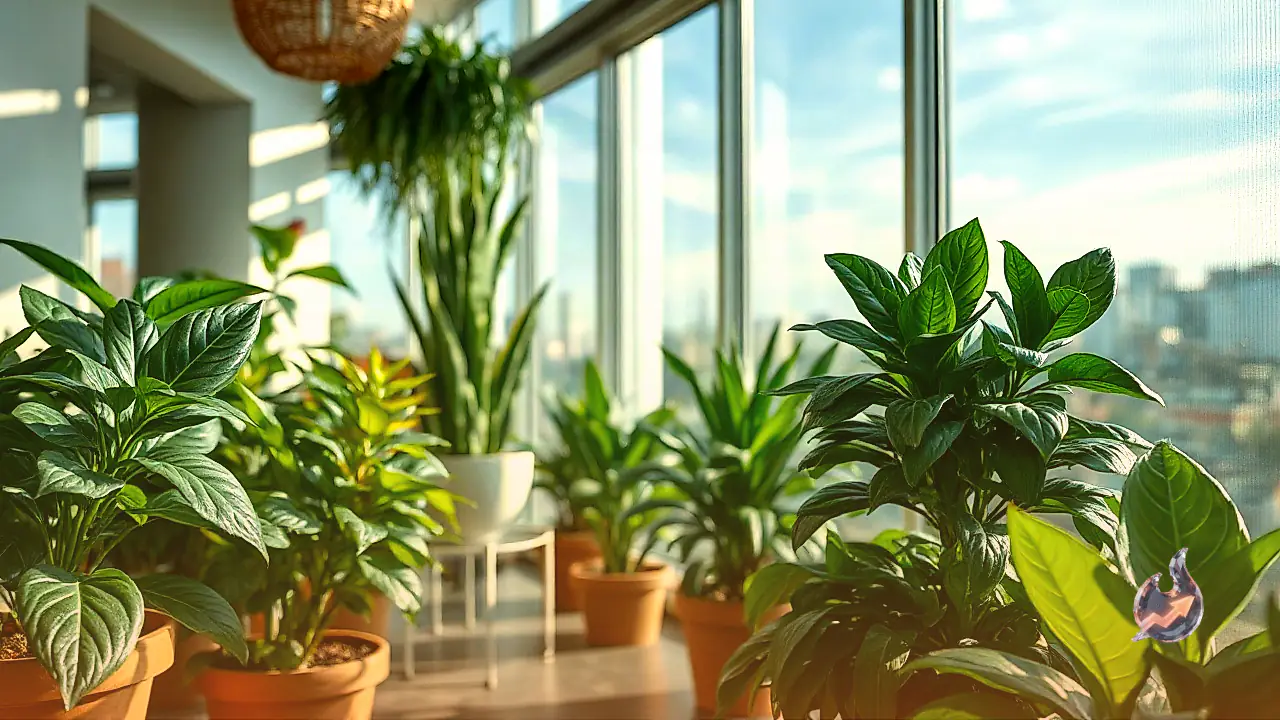

Small home gardens and potted balcony plants instantly brighten up any living space. However, due to improper maintenance, incorrect watering schedules, or insufficient sunlight, leaves often turn yellow and wither. Ensuring that your plants remain healthy, vibrant, and lush requires paying attention to a few fundamental gardening practices.
Proper Watering Techniques
Water is arguably the most vital element for plant growth, but overwatering can prove equally damaging. Always check the soil by hand, and water only when the top layer feels dry to the touch. Continuous waterlogging causes roots to rot and weakens the plant over time. Naturally, hotter summer months demand more frequent watering compared to other seasons.
Understanding Sunlight Requirements
Different plant species have unique light requirements. While some thrive under direct, harsh sunlight, others prefer partial shade or gentle morning light. Always research a plant's specific needs before placing it in your garden. Morning sunlight is generally considered the safest and most beneficial for the majority of residential plants.
Soil Nutrition and Fertilizers
Rich, nutrient-dense soil is essential for robust plant growth. Periodically enriching the soil with well-rotted cow dung manure, compost, or vermicompost provides natural nourishment, keeping leaves green and glossy. Gently loosening the top layer of soil once a month also aids root aeration.
Regular Pruning and Maintenance
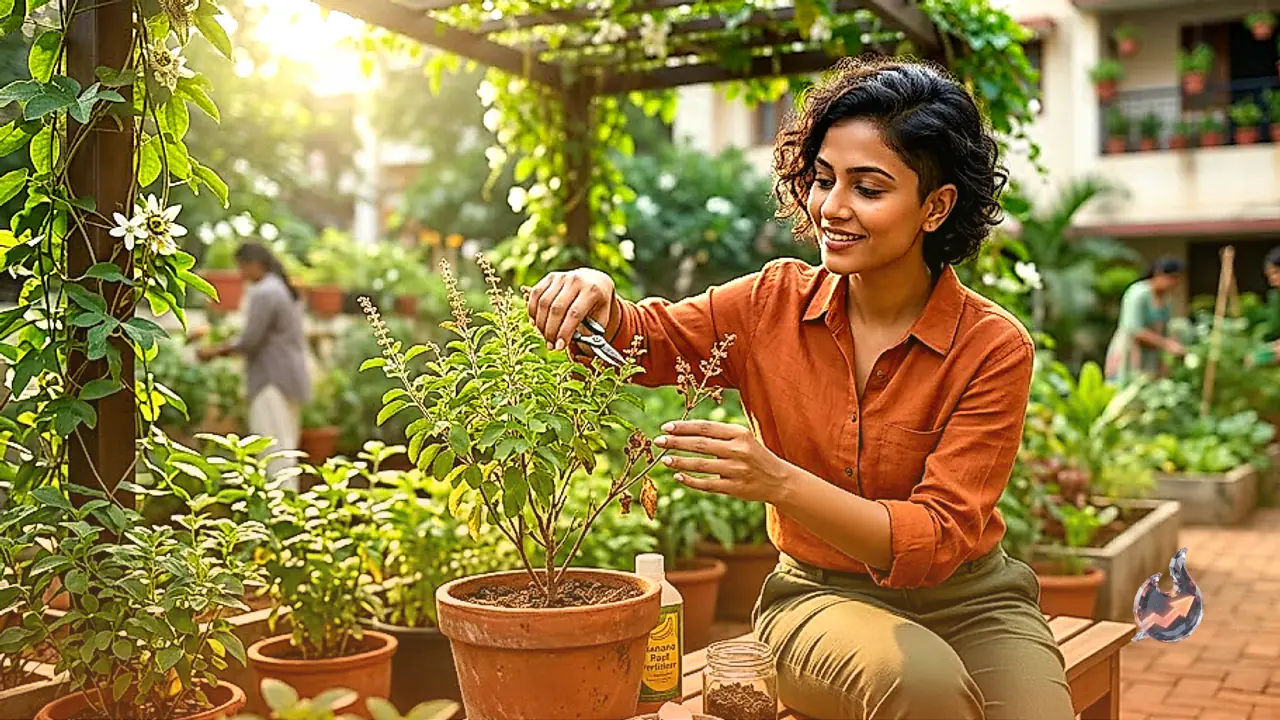
Whenever you spot dry, yellow, or diseased leaves, remove them promptly. This redirects the plant's energy toward developing fresh shoots and foliage. Regular pruning also gives the plant a much denser and visually appealing shape.
Pest Control and Protection
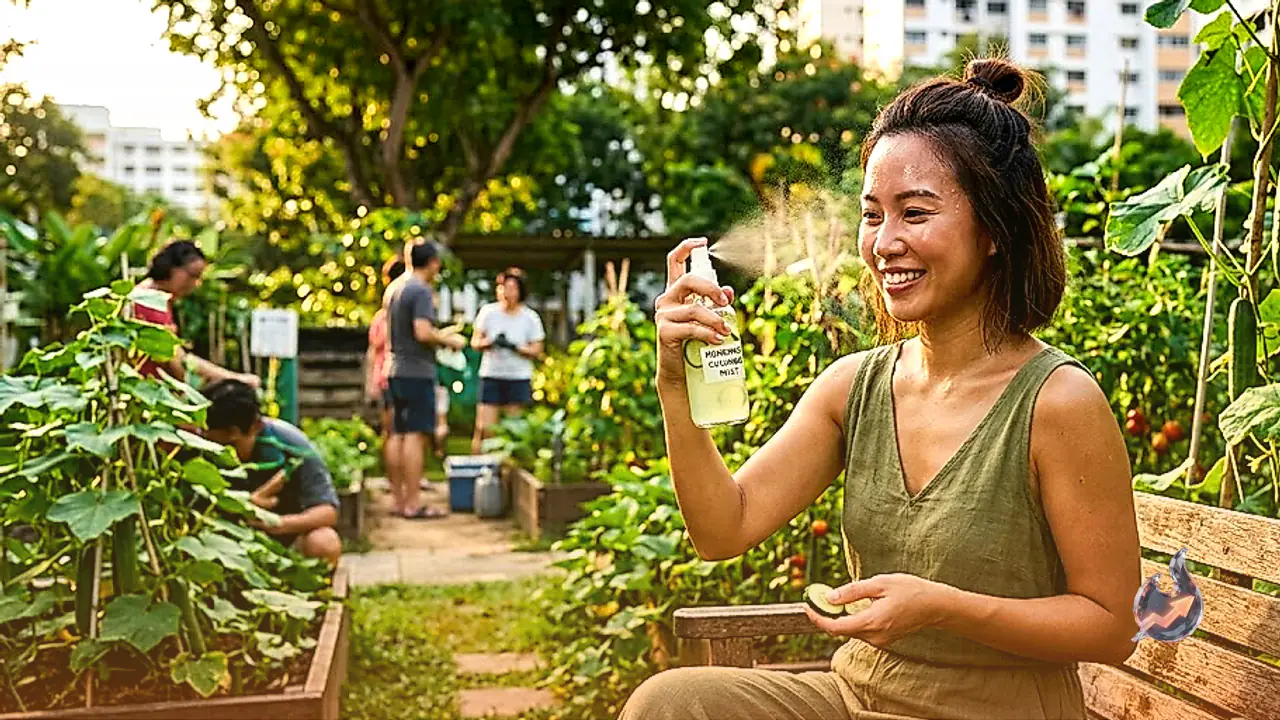
Inspect your plant foliage regularly for any signs of insects, fungal infections, or white spots, and act immediately if detected. Catching issues early makes it much simpler to nurse a plant back to health. Using a neem-based spray when needed acts as an effective organic deterrent.
Ensuring Proper Drainage
Every flowerpot or container must have drainage holes at the bottom. Without proper water drainage, stagnant water accumulates around the roots, gradually destroying the plant. Always pair quality soil with a reliable drainage setup in every pot.