







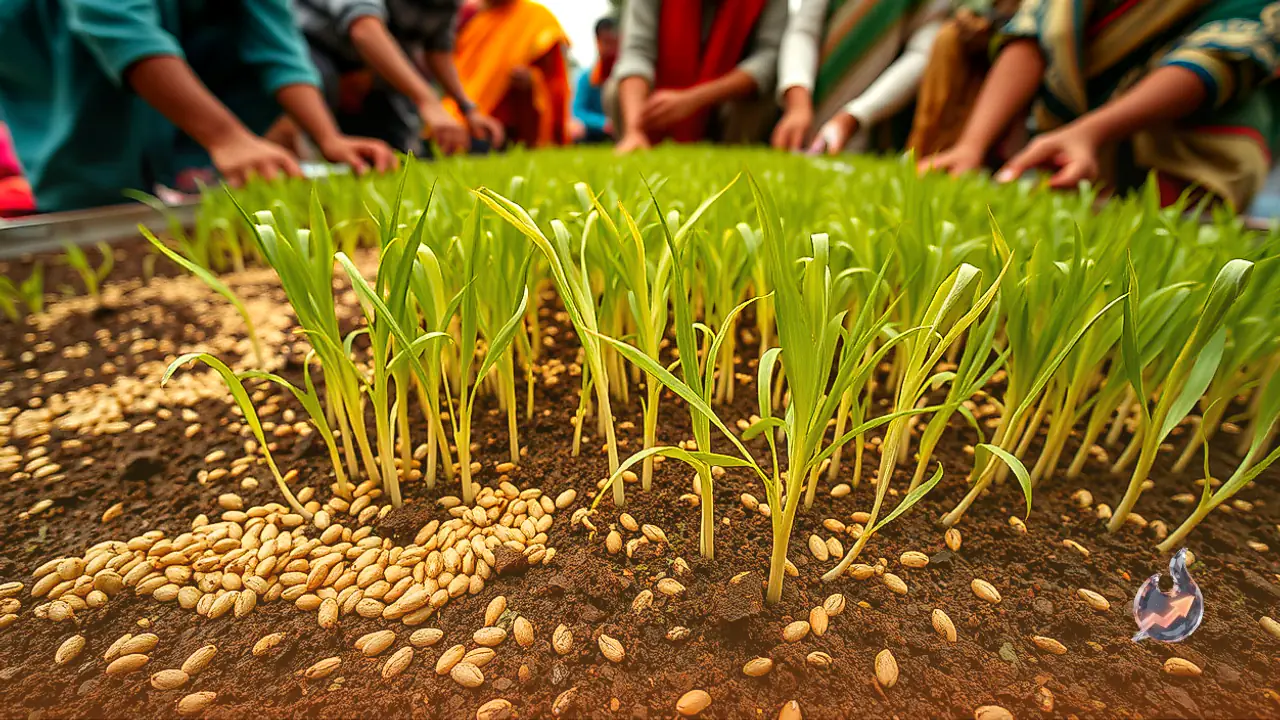















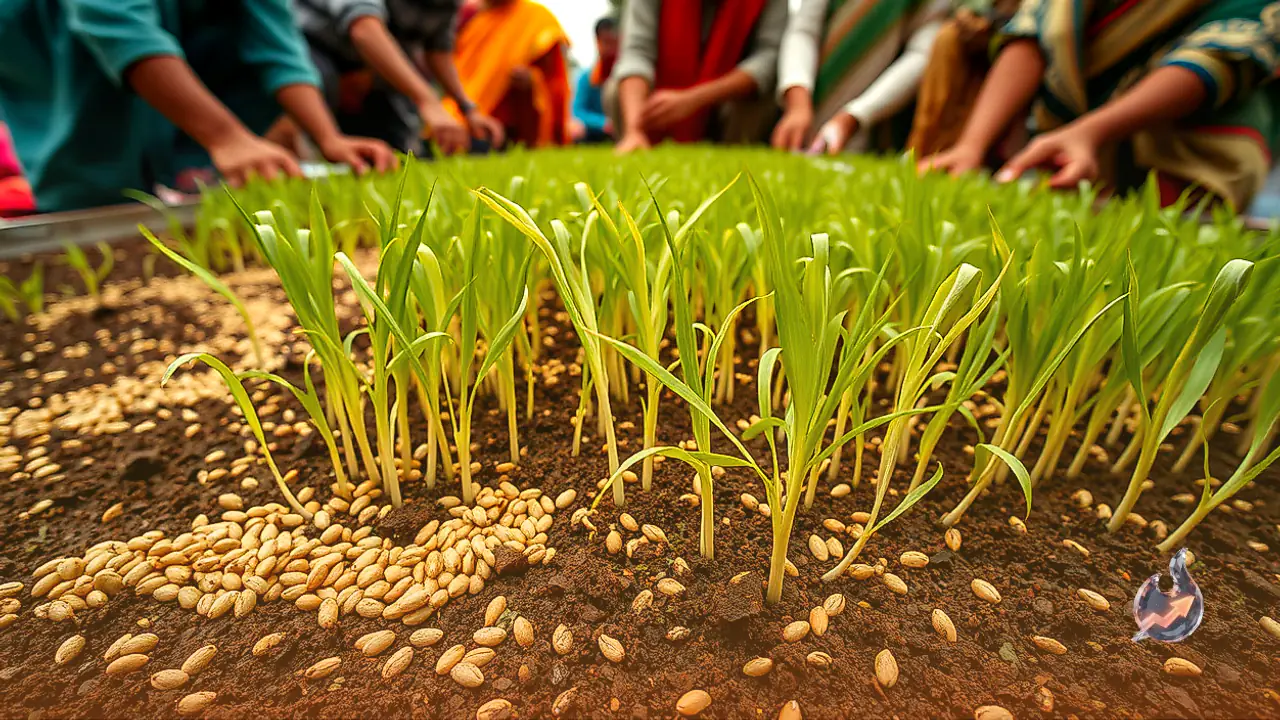

Shardiya Navratri begins on October 11, with the opening day traditionally dedicated to the worship of Maa Shailputri. On this occasion, devotees across households perform Kalash Sthapana, taking a sacred vow to observe prayers dedicated to Maa Bhagwati over nine days. As part of the ceremonial setup, an earthen pot filled with water is placed over a mound of soil sown with barley seeds. Sustained moisture across the nine days triggers germination, eventually surrounding the earthen vessel with dense, vibrant green sprouts. Cultural beliefs hold that vigorous sprout growth reflects divine blessings, bringing positive energy, prosperity, and success into the household. Conversely, sparse or sluggish growth is traditionally associated with negative signs. Following a few practical steps ensures seeds germinate within 2 to 3 days and develop into full foliage by the conclusion of the festival.
Preparing the Soil Base for Kalash Sthapana
Healthy sprout growth depends heavily on how the soil base is prepared prior to establishing the ceremonial pot. Collect fresh garden soil and blend it thoroughly with an equal half-measure of cattle dung solution, allowing the mixture to rest. In a short period, the soil absorbs the liquid completely. Cattle dung holds a revered, pure status in worship rituals and enriches the soil texture naturally. It is essential to keep the final soil structure light and crumbly so that air and moisture circulate freely around the developing root systems.
Selecting and Sowing Quality Barley Seeds
Achieving dense foliage requires careful seed selection. Pick clean, unbroken, and wholesome barley grains before beginning the process. Soak these selected grains in clean water for 7 to 8 hours prior to planting. Any light grains that rise and float on the water's surface must be discarded immediately, as hollow seeds fail to sprout. Once strained, distribute the remaining viable seeds evenly across the prepared soil bed. Ensure the grains sit just beneath the surface, remaining slightly visible rather than buried deeply. Devotees seeking thicker growth around the vessel can simply increase the quantity of seeds sown.
Moisture Management and Irrigation Practices
Proper water management is vital to keep sprouts flourishing without damaging the delicate roots. The soil requires only a light daily misting or gentle sprinkling of water to retain adequate moisture. When using an unglazed earthen pot for the central vessel, direct spraying may not even be required, as the natural porosity of the clay gradually releases sufficient moisture into the surrounding earth. In such cases, checking the water level inside the vessel daily is adequate. Avoid waterlogging at all costs, as excessively wet soil will cause the barley seeds to rot rather than germinate.