







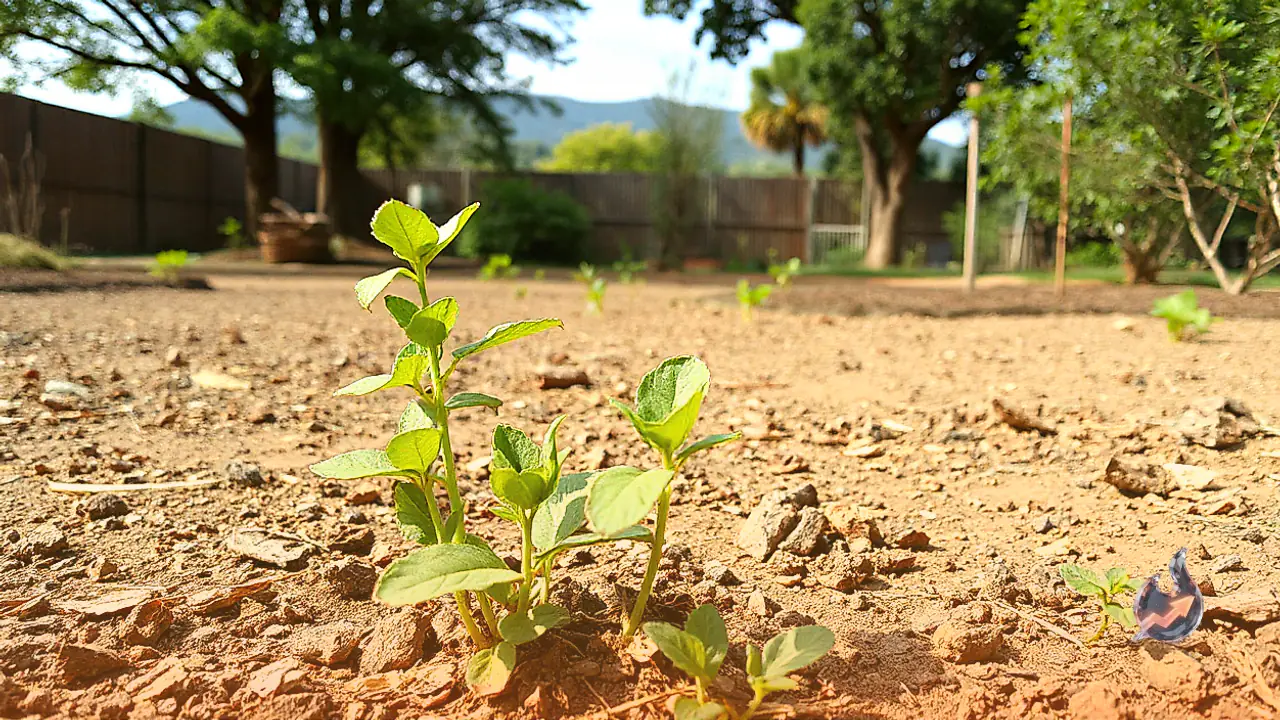














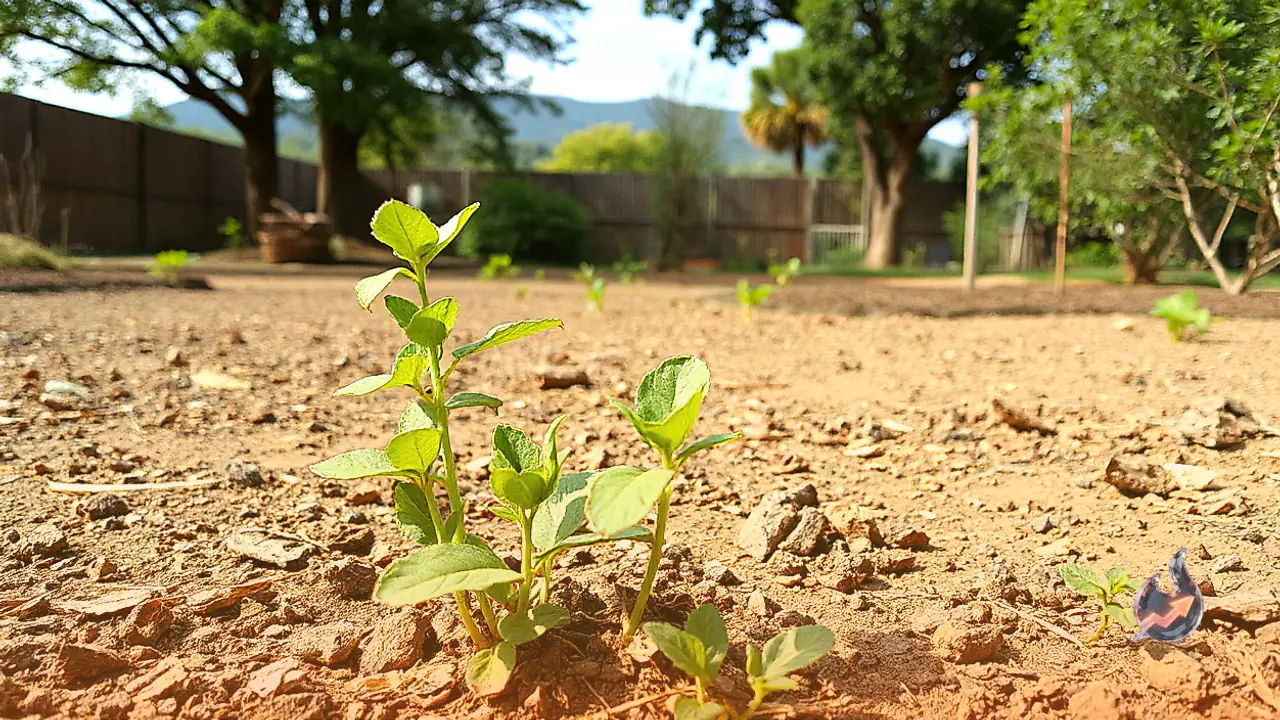

For gardening enthusiasts, noticing that home garden plants are failing to grow properly while their leaves remain stubbornly small can be quite discouraging. This kind of setback typically happens when plant care routines have certain gaps or their specific requirements are completely overlooked. Often, plants fail to receive adequate sunlight, or the soil suffers from a severe deficiency in essential nutrients, causing their overall growth rate to slow down significantly. During such phases, providing timely fertilizers, clearing away withered leaves, and repositioning plants according to weather changes can rapidly restore their health and vitality.
The Vital Role of Regular Care and Proper Sunlight
According to nursery operator Nek Singh, ensuring the regular upkeep of plants is the primary step toward keeping them lush and healthy. Most vegetable and flowering plants require roughly 5 to 6 hours of direct sunlight daily to support healthy growth. However, contrastingly, certain plants thrive exceptionally well even under low light conditions. Therefore, it is essential to place plants in spots with appropriate sunlight tailored strictly to their individual needs. Furthermore, enriching the soil with well- decomposed farmyard manure or vermicompost supplies deep nourishment to the plants.
Pruning Dry Leaves and Weak Branches
Singh points out that maintaining vigorous plant growth requires paying close attention to pruning and trimming. All withered, yellow, and damaged leaves on the plant should be promptly removed so the plant does not waste energy on them. Weak and dry stems should also be trimmed as required, which makes overall plant maintenance much easier. However, healthy stems must never be cut without a clear reason, as they form the structural core of the plant.
Soil Aeration and Enhancing Fertility
Good soil structure is just as crucial for plant development as adequate nutrition. The soil should be gently tilled and aerated periodically to prevent the top layer from turning hard, ensuring proper airflow to the roots. Afterward, well-rotted cow dung manure or vermicompost can be blended directly into the soil. This practice significantly improves soil fertility and helps deliver vital nutrients directly to the plant roots, giving plant health a much-needed boost.
Proper Nutrition Management for Flowering Plants
Flowering varieties such as roses and hibiscus require precise nutrient administration in accurate quantities to promote abundant blooms. According to Singh, water-soluble fertilizers like NPK 19:19 can also be utilized when necessary. This helps provide essential nutrients efficiently to the plants. However, these inputs must always be applied strictly in accordance with the instructions printed on the product packaging. Over-fertilization can sometimes cause severe damage rather than helping the plants.
Adjusting Plant Care According to Seasonal Changes
Adapting plant care routines to match seasonal shifts is equally important. Singh explains that plants should be positioned where they receive light matching their natural preferences. During winter months, gentle morning sunlight proves highly beneficial for most plants. Conversely, varieties that demand minimal sun exposure should be carefully shielded from harsh, direct sunlight.
Maintaining Balance in Watering Practices
Along with sunlight, fertilizers, and pruning, monitoring the moisture status of the soil during watering is critical. Overwatering can lead to waterlogged soil conditions, posing a serious risk of root rot and decay. Therefore, water should only be supplied after carefully checking the plant's actual needs and surface soil moisture. Proper care, balanced nutrition, and adequate light work together to correct stunted plant growth and encourage the emergence of fresh leaves and vibrant flowers.