





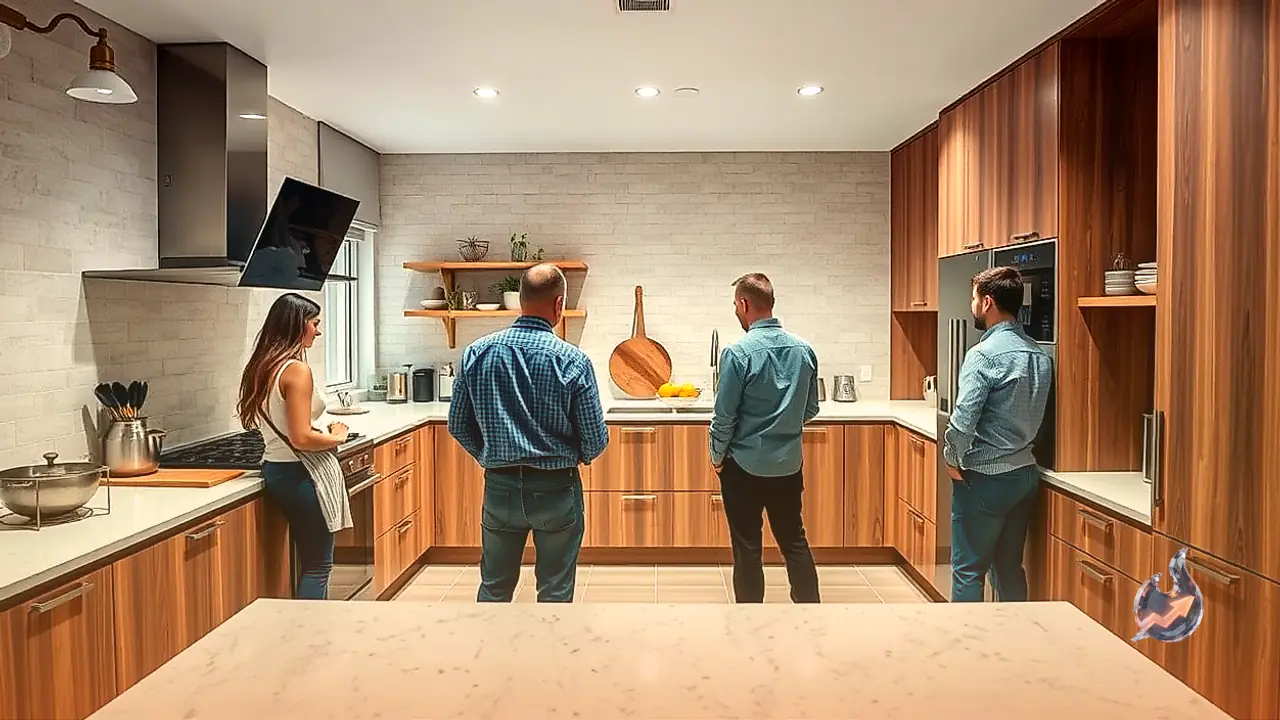

















Upgrading residential culinary spaces with pre-engineered cabinetry has become one of the most prominent interior trends in recent years. Homeowners are increasingly steering away from conventional masonry setups, opting instead for integrated structures that streamline daily meal preparation. While the visual elegance and systematic layout provide undeniable appeal, committing to such an installation involves notable financial and practical tradeoffs that warrant careful evaluation.
Spatial Efficiency and Visual Sophistication
A primary driver behind this transition is the remarkable ability to optimize square footage. Even compact layouts can accommodate substantial culinary gear through strategically placed drawers, vertical pull-outs, and wall-mounted storage modules that utilize unused ceiling height. Visually, these installations elevate the overall ambiance of a residence, offering an extensive selection of colors, textures, and sleek surface finishes tailored to harmonize with wider domestic decor themes.
Effortless Maintenance and Fluid Daily Workflows
Upkeep is considerably less demanding compared to traditional setups, largely due to smooth, non-porous facings that resist grime, dust, and stubborn grease splatters. Routine wipe-downs keep surfaces pristine with minimal physical effort. Inside the units, dedicated compartments segregate pantry provisions, spice containers, cookware, and modern appliances, keeping the counter free of clutter. This organized structure speeds up cooking routines and cuts down meal prep times. Furthermore, the baseline configurations offer ample flexibility during the planning stage to incorporate specialized pull-outs or accessory holders based on specific family requirements.
Elevated Initial Investments and Component Replacements
Despite the functional advantages, the financial commitment remains a notable hurdle. Constructing these specialized arrangements requires a significantly higher capital outlay than standard brick-and-mortar kitchens, driven up by premium materials, specialized hinges, and heavy-duty sliding mechanisms. Ongoing maintenance can also become costly; if proprietary accessories or branded hardware experience wear and tear, replacement parts typically command a steep price tag.
Moisture Vulnerability and Structural Rigidity
Durability issues often arise if subpar raw materials are selected, particularly in environments with poor ventilation or ambient dampness where cabinetry boards can warp or deteriorate over time. The overall execution timeline is another factor, requiring meticulous measuring, custom fabrication, and specialized on-site assembly that can prolong the waiting period. Lastly, once an installation is completed, the layout becomes largely fixed. Altering the arrangement later proves technically challenging and inevitably demands substantial additional expenditure.