




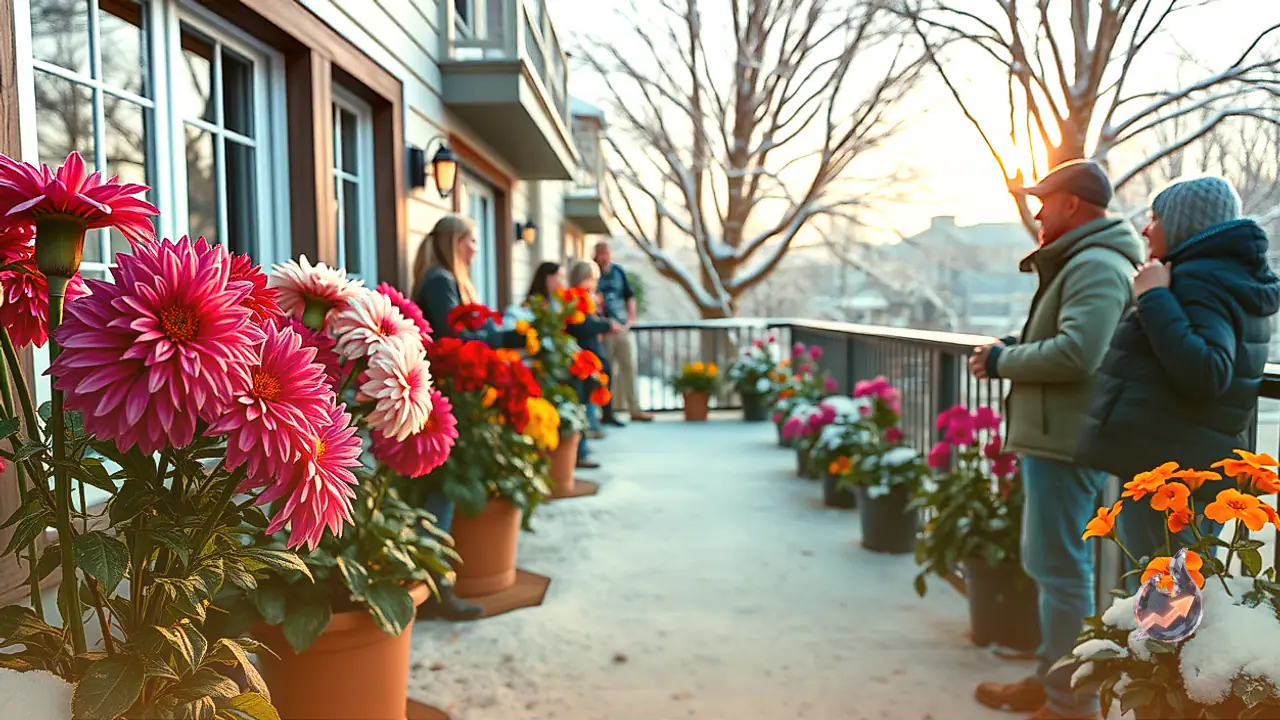

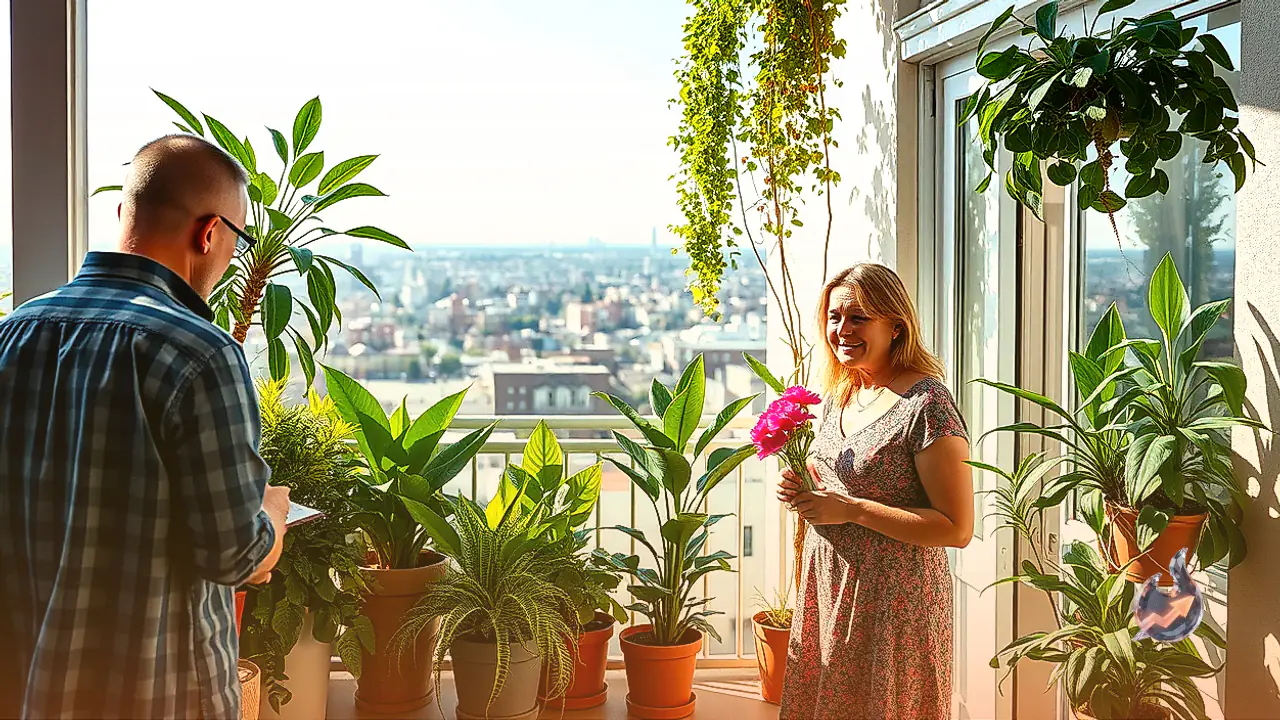














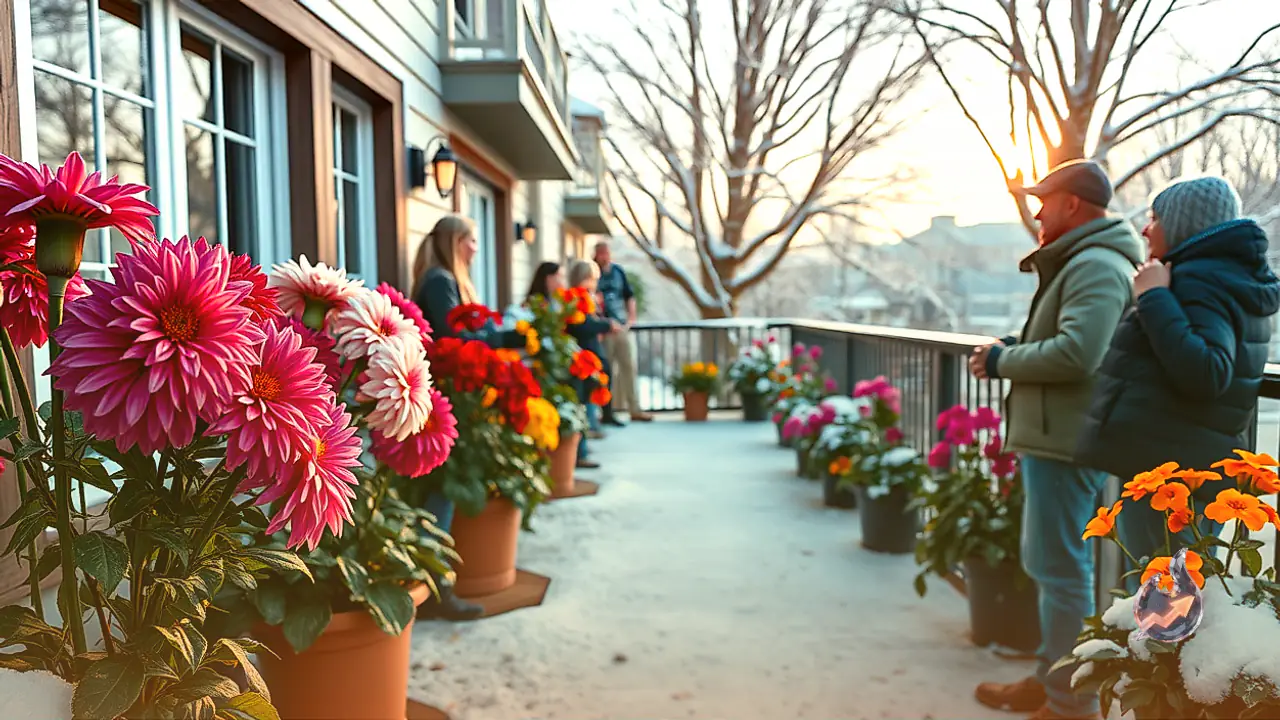

Cooler months present an exceptional opportunity for gardening enthusiasts wishing to elevate their outdoor spaces beyond ordinary roses. Dahlias and petunias provide an explosion of vivid hues ranging from deep purples and bright yellows to radiant reds, soft pinks, pure whites, and striking oranges. When positioned thoughtfully across terraces and balconies, these seasonal flowering varieties introduce a refined and lush ambience to any domestic corner, rewarding consistent upkeep with dense cascades of fresh blossoms.
The Striking Depth and Structure of Dahlias
Dahlias are widely celebrated for their multi-layered petal arrangements and substantial bloom dimensions, delivering unmatched drama to flowerbeds and containers alike. Cultivating these striking perennials requires loose, fertile soil configured for excellent drainage so water never stagnates around root clusters. Container selection requires careful planning: deeper and wider pots are essential to accommodate the extensive root network and tall stems of vigorous variants. Because several tall cultivars produce heavy blossom heads, inserting supportive stakes or bamboo canes early prevents the main stems from snapping under their own weight. Placing the containers under unobstructed sunlight guarantees sturdy development and deeper pigmentation.
Maximising Compact Spaces With Cascading Petunias
Petunias serve as an ideal choice for hanging baskets, railing planters, and decorative window boxes due to their spreading habit and intricate visual patterns. Their diverse color palette and distinctive markings easily create dense flowering blankets across small balcony boundaries. To thrive, petunias need light, nutrient-rich potting mixes that let excess irrigation drain away smoothly without compacting. Overwatering poses the greatest hazard, as waterlogged conditions swiftly rot delicate feeder roots. Checking surface soil dryness before every watering session and ensuring generous daily sun exposure keeps the foliage dense and healthy.
Planting Windows and Climatic Considerations
Establishing these plants typically starts during the transitional weeks as autumn gives way to early winter conditions across most regions. Local environmental temperature curves determine the exact planting schedule and suitability for specific cultivars. Plant expert Arun Sethi observes that regular care is vital for healthy growth and long-lasting blooms on both varieties. Consulting nursery staff about regional weather resilience when selecting seedlings ensures optimal performance throughout the cold season.
Growing From Seeds Versus Ready Seedlings
Enthusiasts keen on hands-on propagation can sow premium-grade seeds by strictly adhering to moisture and depth directions printed on reputable seed packets. Once the young seedlings generate robust initial leaf pairs, relocating them to sunlit areas builds initial vigor before transplanting them into definitive decorative pots. Beginners, however, usually achieve more reliable outcomes by purchasing nursery-hardened saplings that establish quickly without germination setbacks. Removing faded blossoms and decaying foliage on a routine schedule channels plant energy directly into fresh bud development.