























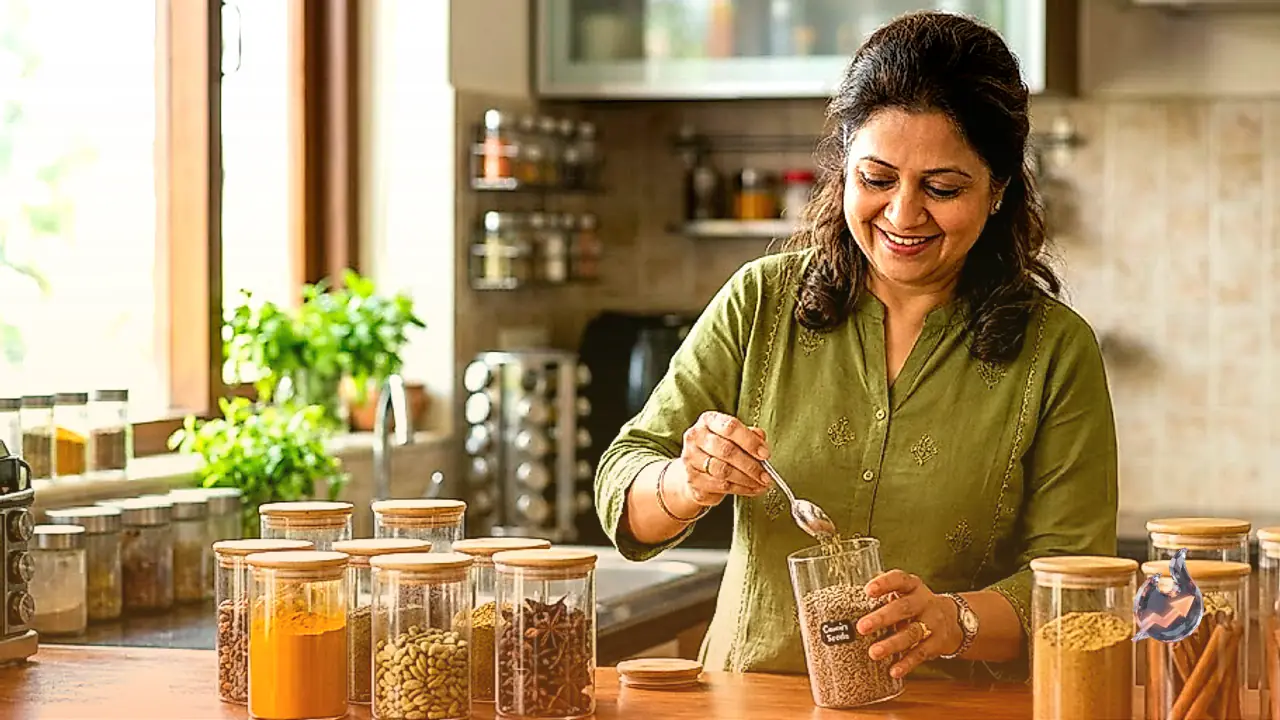

Spices hold a central place in Indian kitchens, elevating meals not just through their rich flavors but also by adding inviting aromas and nutritional value. Common staples like turmeric, red chili, coriander, cumin, and garam masala are essential to daily cooking. However, failing to store them correctly can cause their taste, color, and fragrance to fade away prematurely. Understanding how long these ingredients last and the proper methods to preserve them is crucial for every home cook.
Shelf Life of Whole Versus Ground Spices
Different spices come with varying lifespans. Whole spices such as cumin seeds, black peppercorns, cloves, cinnamon, and cardamom retain their quality and potency for a much longer duration, typically lasting anywhere from one to three years. In contrast, powdered varieties like turmeric powder, red chili powder, and coriander powder remain at their best for roughly six months to a year. After this timeframe, their distinct fragrance and overall effectiveness begin to decline steadily.
Experts suggest purchasing spices in smaller quantities tailored to actual household needs. Buying in bulk often leads to spices sitting in cabinets for too long, losing their freshness, whereas buying less ensures they remain fresh and impart richer flavors to dishes.
Proper storage requires careful attention to environmental factors. Using airtight containers made of glass or stainless steel prevents air and moisture from seeping in, keeping the contents secure for extended periods.
Direct sunlight damages the natural oils present in spices, fading their color and dampening their aroma. Therefore, spice containers should always be kept in cool, dry, and dark locations away from windows or direct light beams.
Kitchens frequently experience steam and humidity during cooking. If spices come into contact with moisture, they tend to form lumps or develop fungus. Always use a completely dry spoon when scooping out spices from their jars.
Keeping spice containers away from gas stoves, ovens, and microwaves is also essential. Excessive heat causes the essential oils inside the spices to evaporate quickly, leaving them dull and flavorless.
Whenever possible, opt for whole spices and grind them only when needed. Whole forms lock in natural oils far better, allowing them to maintain their premium quality over a much longer stretch.
Why Spices Degrade and the Risks Involved
Natural oils form the core source of flavor and fragrance in all spices. When exposed to air, moisture, heat, and light, these oils gradually break down. As a result, the spices become dull, tasteless, and ineffective. In certain cases, poorly stored spices can even grow bacteria or fungi, posing potential health risks, which makes proper handling indispensable.