






















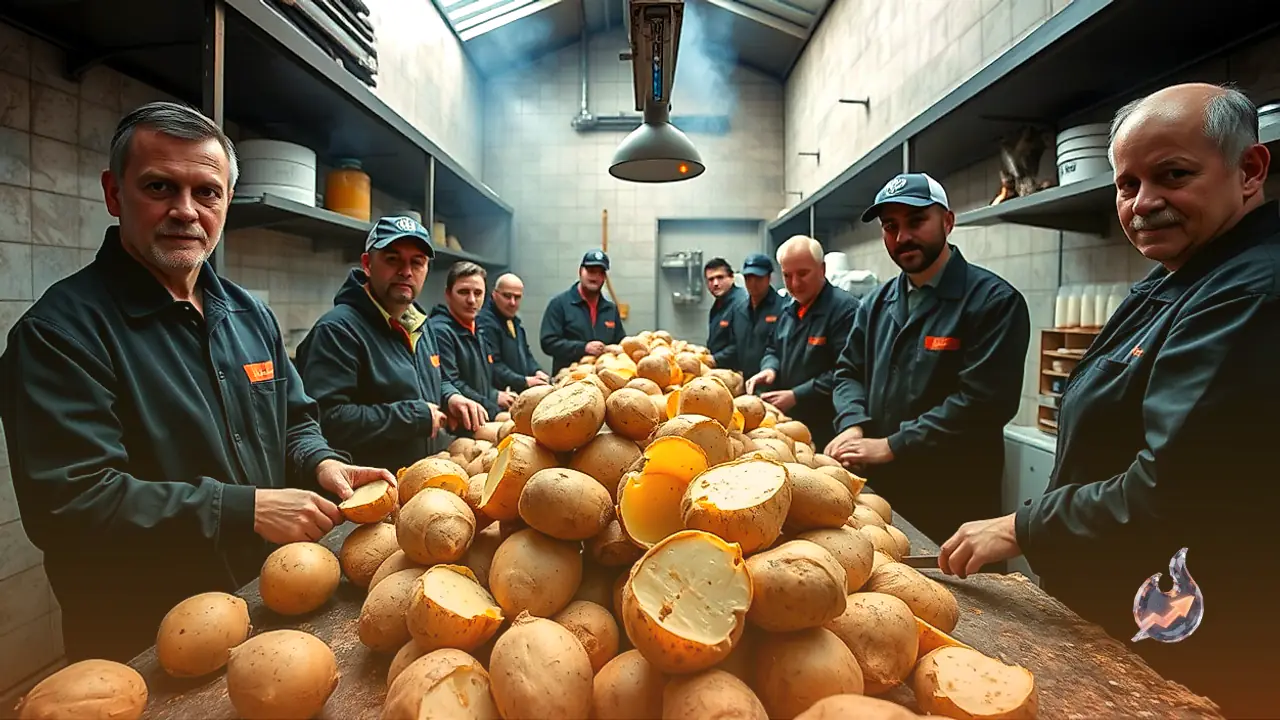

Preparing potatoes ahead of time often leads to an unappealing surprise when the exposed surfaces rapidly develop a brown or dark tint. This transformation is driven by a natural biological reaction known as enzymatic browning rather than sudden spoilage. The moment a potato is peeled or sliced, its cell structures rupture, bringing internal enzymes and organic compounds into direct contact with environmental oxygen. This interaction triggers pigmentation changes across the outer flesh. The exact rate of this colour shift depends on several factors, including the specific potato variety, relative freshness, ambient room temperature, and the total surface area exposed to surrounding air.
Submerging in Cold Water
When chopping potatoes in advance of cooking, the most dependable protective step involves fully submerging them in a bowl of clean, cold water. Creating this liquid barrier restricts direct atmospheric exposure and significantly delays the onset of surface discoloration. This approach proves especially practical when preparing spuds meant for boiling, curries, or select varieties of homemade fries. Nevertheless, leaving potatoes submerged for an excessively long window should be avoided. Extended immersion leaches out valuable starch alongside water-soluble nutrients, which can ultimately compromise the characteristic flavour and intended texture of the cooked dish.
Using the Refrigerator for Storage
If pre-cut potatoes need to be held for several hours prior to meal preparation, resting them on an open kitchen counter is inadvisable. Instead, transfer the submerged slices into a covered container and store them inside the refrigerator. Leaving chopped potatoes out at ambient room temperature for extended durations compromises quality. Chilled water slows down the enzymatic activity responsible for pigment changes, although it cannot serve as an indefinite preservation method.
Effects of Lemon, Vinegar, and Salt
Introducing a small splash of lemon juice or plain vinegar into the soaking bowl raises the acidity of the surrounding water. This acidic environment impedes the efficiency of browning enzymes, keeping the flesh lighter for longer. However, doing so introduces a minor drawback, as acidic additives can leave behind a faint tang that alters the neutral taste of the vegetable. Because of this flavour alteration, plain chilled water combined with cold refrigeration remains the ideal everyday standard. Adding table salt to the soaking liquid purely to maintain colour is not strictly necessary.
Drying thoroughly Before Frying
Whenever potatoes stored in water are destined for frying, thorough surface preparation is essential before they reach hot cooking oil. Drain the slices completely using a colander and pat them dry with a clean kitchen towel or paper towels. If surface moisture remains on the potato pieces, dropping them into hot oil will cause violent splattering and inconsistent frying results, ruining both safety and crispiness.
Safety and Signs of Spoilage
Understanding whether discoloured potatoes remain safe for consumption is a frequent kitchen query. When raw potatoes turn slightly brown or dark solely due to normal air exposure while retaining their standard earthy smell, they are completely safe to cook and eat. In contrast, if the pieces develop excessive softness, feel slimy to the touch, display visible mould growth, or release an unusual sour or foul odour, these indicate genuine decay. Spoilage of this kind means the potatoes must be discarded immediately.