



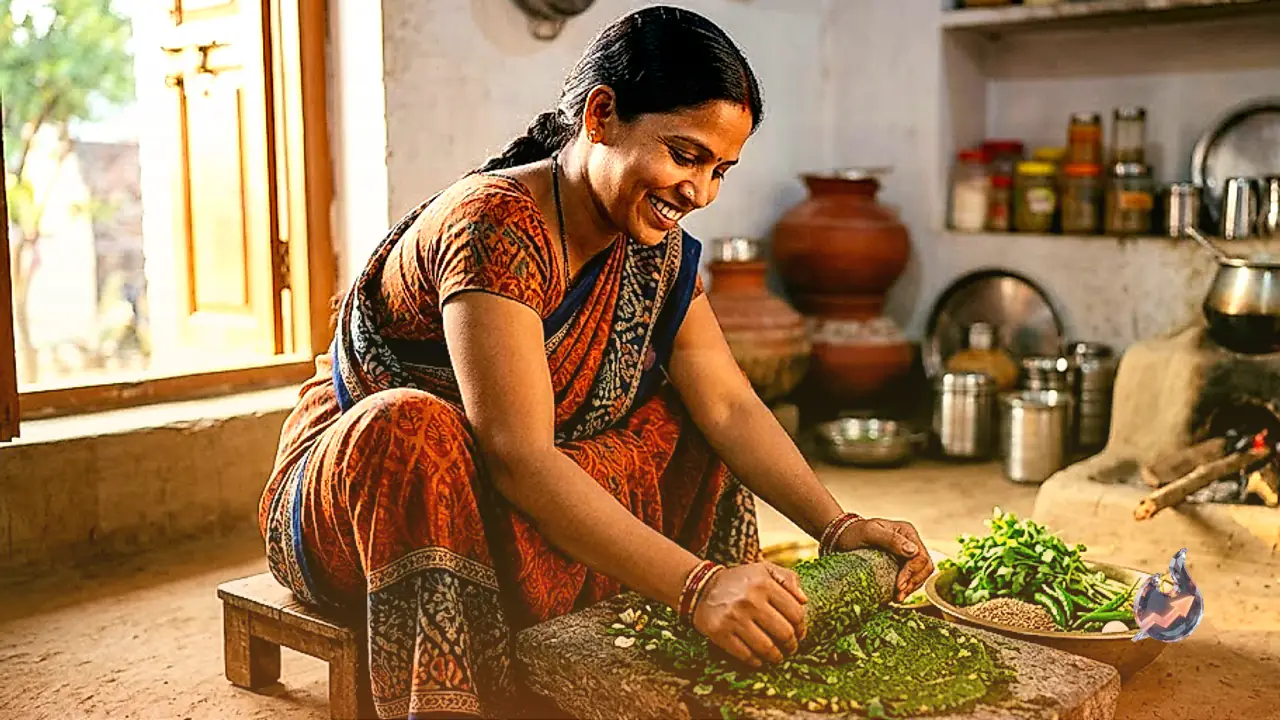

















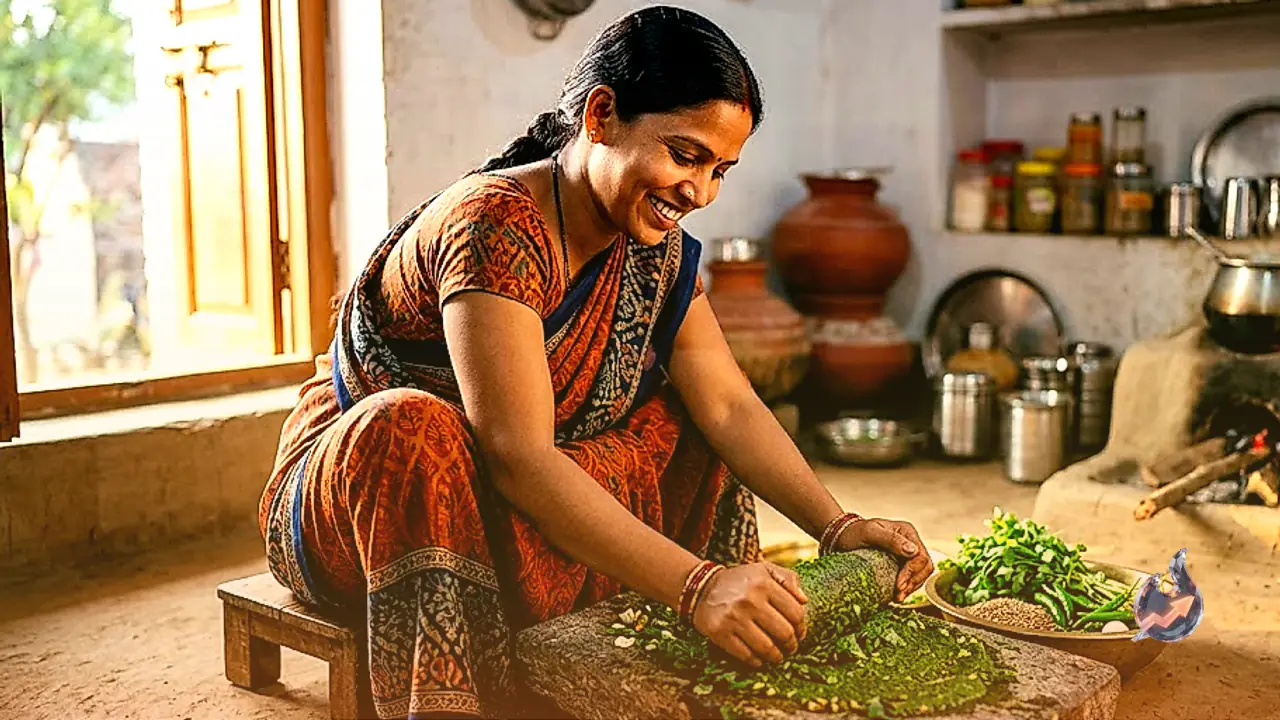

In Indian culinary traditions, chutney has always served as far more than an optional side dish, transforming even the most humble spread into a flavorful experience. Whether paired with everyday dal and rice, freshly made rotis, or hot evening pakoras, a small portion of rustic desi chutney elevates the entire plate. The real appeal of this classic preparation lies in its minimalism: it requires neither exotic pantry ingredients nor complicated culinary techniques. With just a handful of standard whole spices readily available in every Indian kitchen, an aromatic condiment can be whipped up within minutes.
Pantry Staples That Form the Flavor Base
Achieving this robust, heritage flavor relies on simple, everyday seasonings. Homemaker Mamta Tiwari explains that the preparation calls for garlic cloves, green chillies, whole dried red chillies, salt, fresh coriander leaves, whole coriander seeds, cumin, asafoetida, fennel seeds, and mangrel (nigella seeds). In situations where fresh coriander leaves are out of stock, lightly roasted whole coriander seeds work just as effectively to establish the aromatic backbone of the recipe.
The recipe begins by gathering 2 to 4 cloves of garlic, accompanied by green chillies, dried red chillies, and salt adjusted strictly to taste. The dry spice selection brings together whole coriander seeds, cumin seeds, fennel seeds, mangrel, and a subtle pinch of dry asafoetida. Gently dry-roasting the coriander seeds and complementary spices on a skillet before grinding helps unlock their volatile essential oils, deepening both the overall aroma and flavor intensity of the final chutney.
Why Slow Stone Grinding Outperforms Modern Blenders
Mamta Tiwari emphasizes that the ingredients should ideally be ground at an unhurried pace on a traditional silbatta rather than whipped through a fast electric mixer. Proper sequencing matters on the stone surface: the garlic cloves, both varieties of chillies, and salt must be crushed first. Once those aromatics break down, the roasted coriander seeds and remaining dry spices are folded in and ground thoroughly. Small splashes of water can be introduced progressively along the way, allowing one to tailor the texture to either a dense paste or a looser dip depending on personal preference.
Comparing stone grinding to modern electronic food processors highlights a significant difference in taste and aroma. While high-speed blender blades generate frictional heat that can scorch delicate spice compounds and alter their character, the cold, steady friction of a silbatta crushes spices gradually, drawing out full aromatics without damaging their inherent profiles. As a result, stone-ground chutney retains a distinctive sensory depth that motorized blending simply cannot match, making traditional tools worth using whenever feasible.
Versatile Pairings Across Classic Indian Meals
According to Mamta Tiwari, the versatility of this rural chutney makes it an ideal accompaniment for a wide range of traditional meals. It pairs effortlessly with staple dal and rice, soft rotis, stuffed parathas, as well as hearty specialties like bati, chokha, and bhature. Requiring only minimal ingredients and straightforward preparation, this time-tested chutney offers an accessible way to enrich daily home dining.