






















A steaming cup of tea is an indispensable morning ritual for millions, yet culinary traditions in certain tea-growing regions showcase an entirely unexpected side of this familiar plant. While tea leaves are universally associated with brewed beverages, select communities have long incorporated them directly into savory cooking. Within the tea garden settlements of Bangladesh, culinary customs feature a distinct and spicy chutney crafted from tea leaves. This traditional preparation highlights how plantation communities creatively integrated surrounding agricultural produce into their daily meals to add depth and variety to their plates.
The Cultural Roots of Tea Leaf Cooking
Across urban households, condiments made of fresh coriander, mint, roasted tomatoes, or coconut remain daily staples, making the concept of tea leaf chutney come across as rather unusual. This preparation does not belong to mainstream restaurant menus; instead, its heritage links directly to the domestic traditions of communities residing in and around the tea estates of Bangladesh. In these areas, the harvest serves purposes beyond industrial processing, finding its way into local cooking pots and home recipes. Because this is a folk preparation passed down informally through generations, there is no single standardized recipe. Variations in seasoning, texture, and accompanying ingredients differ widely across separate estates, neighborhoods, and individual households.
Step-by-Step Preparation Method
The preparation process strictly begins with fresh, tender tea leaves suitable for culinary consumption. These newly harvested leaves must first be thoroughly washed under clean water to remove any surface impurities, dust, or residue. To break down their fibrous texture and soften them properly, the leaves are gently blanched or lightly steamed. Once sufficiently softened, they are either finely chopped by hand or ground into a paste using a traditional grinding stone or kitchen blender.
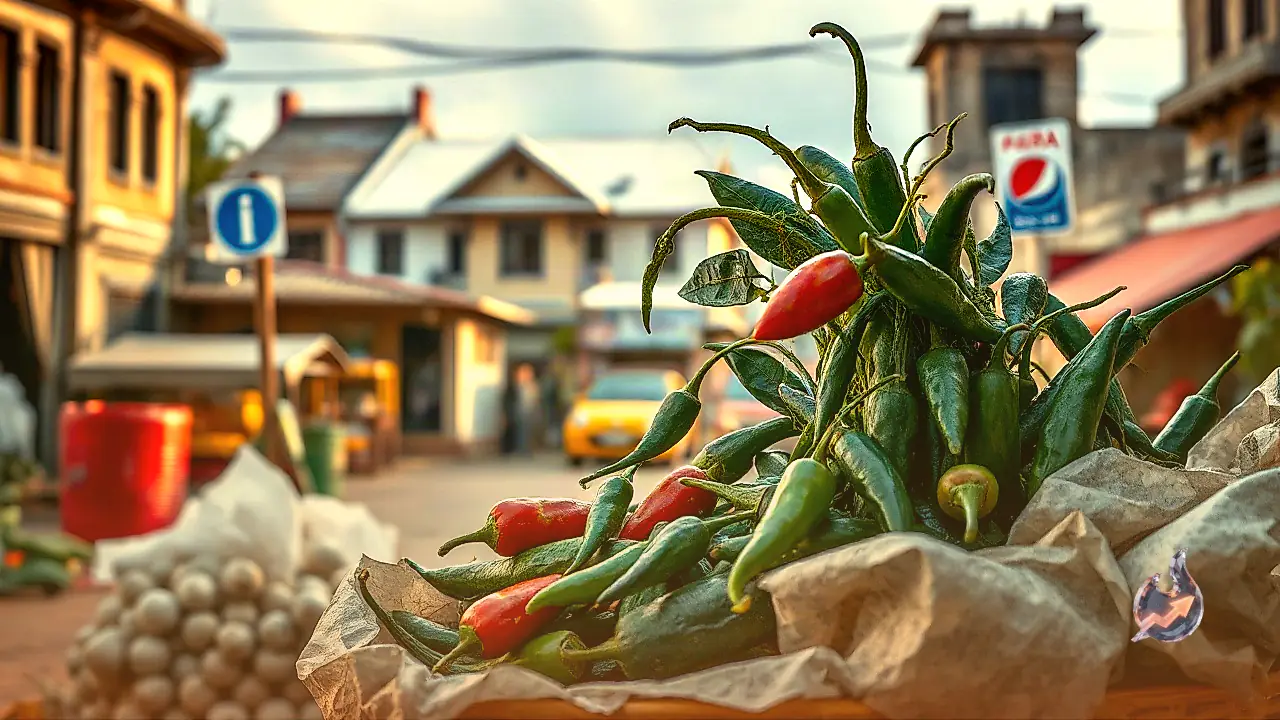
To build a robust flavor profile, seasoned cooks blend in crushed green chillies, finely diced onions, table salt, and specific local herbs or spices according to personal preference. Because natural tea leaves possess an inherent astringent bitterness, balancing the ingredients is critical. A generous squeeze of fresh lemon juice or a dash of another regional souring agent is stirred in to offset the astringency and brighten the overall flavor. Once the ingredients are thoroughly crushed and melded into a harmonious paste, the chutney is ready to be served. The resulting taste profile delivers a pungent, mildly bitter, and tangy kick that differs sharply from standard herb chutneys.
Essential Precautions for Safe Consumption
Recreating or understanding this traditional dish requires observing strict safety guidelines. The method cannot be replicated by simply grinding commercial dry tea leaves purchased from grocery stores, as packaged tea undergoes industrial drying and processing not designed for raw chutney preparations. Similarly, one should avoid consuming tea leaves left behind in a strainer after brewing regular daily tea without proper hygiene and preparation.
Most importantly, tea leaves that have already been boiled alongside milk, refined sugar, or other culinary additives should never be repurposed into edible dishes. Anyone wishing to explore this traditional recipe must rely strictly on fresh, clean, uncontaminated, and food-grade tea leaves handled with proper culinary care.