

















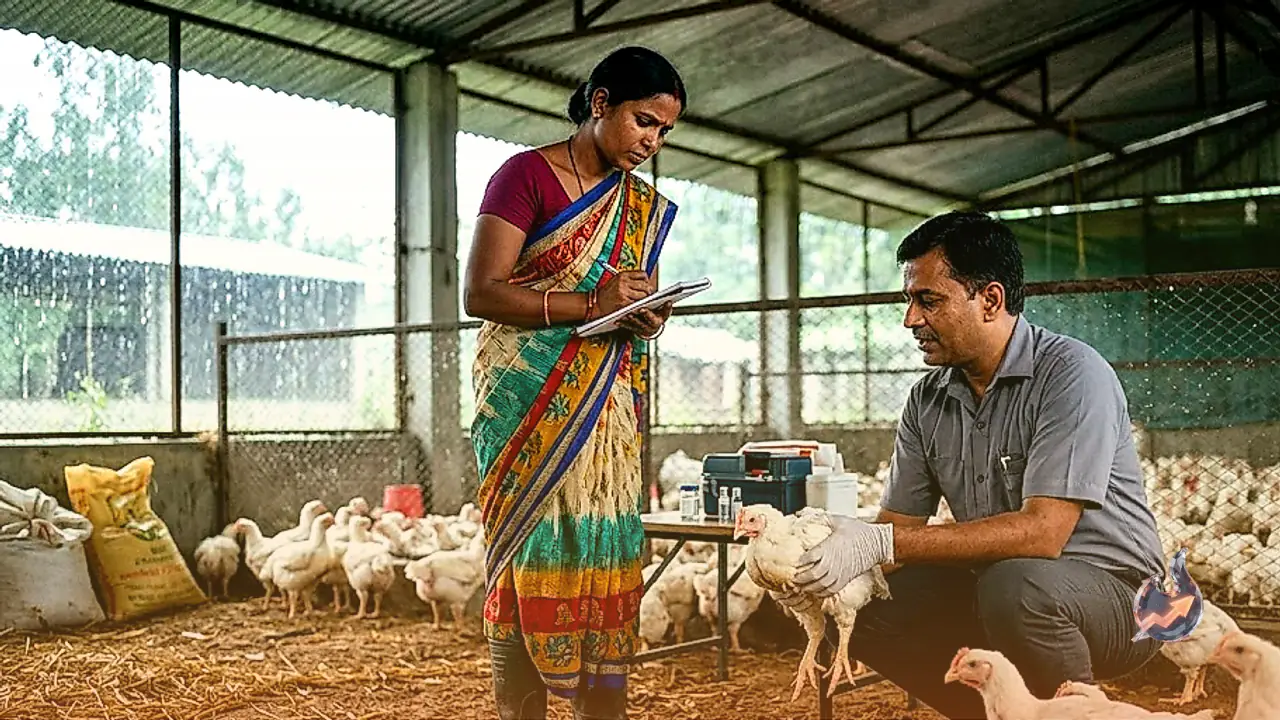

The monsoon season presents a critical challenge for poultry farmers, as rising humidity and accumulated dampness create ideal conditions for the rapid spread of infections. Without timely care and hygienic management, farmers risk facing reduced flock productivity alongside severe financial losses. Deputy Chief Veterinary Officer Dr. Rakesh Kumar Tiwari has highlighted essential guidelines covering cleanliness, litter management, fresh water provision, and timely vaccination to safeguard poultry farms during the rainy months. He emphasized that even minor negligence in farm management can devastatingly affect an entire flock.
Prevalent Rainy Season Poultry Diseases and Symptoms
Multiple infectious diseases tend to resurface and spread rapidly across poultry sheds during the rainy season. According to Dr. Rakesh Kumar Tiwari, infections such as Coccidiosis, Ranikhet disease, Chronic Respiratory Disease (CRD), E. coli, and Diarrhea pose the greatest risks to birds in this period.
Early symptom identification is vital for saving birds. Coccidiosis manifests through blood appearing in the droppings of affected chickens. In contrast, birds contracting Ranikhet suffer severe breathing difficulties accompanied by thin green droppings. Furthermore, consuming contaminated water rapidly triggers widespread diarrhea across the flock.
Shed Hygiene, Bedding Maintenance, and Feed Care
Veterinary experts stress that maintaining a dry environment inside the poultry shed is paramount throughout the monsoon. The bedding material, typically consisting of straw or sawdust laid beneath the birds, must never remain damp. If moisture accumulates in the litter, it should be removed and replaced with clean, dry bedding immediately.
Proper air ventilation must be ensured inside the shed to prevent dangerous humidity levels and harmful gas accumulation. Because both feed and water spoil rapidly in high humidity, chickens must always receive clean, fresh drinking water, and their watering vessels should be thoroughly washed every day. Additionally, feed bags must never be placed directly on the floor, as ground moisture causes dampness and fungal contamination.
Quarantine Protocols and Timely Vaccination
Isolating sick birds at the earliest indication of illness is essential for preventing herd-wide outbreaks. If any bird appears lethargic, hangs its wings, or passes loose droppings, it should be separated immediately from the healthy flock. Prompt isolation prevents the contagious pathogen from sweeping through the entire farm.
Dr. Rakesh Kumar Tiwari advised poultry owners not to wait for disease outbreaks before taking action, urging preventive measures instead. Farmers should strictly adhere to recommended vaccination schedules and consult a local veterinarian immediately upon noticing any symptoms. Implementing robust management practices keeps poultry healthy and protects farm businesses from ruinous losses.