






















Poultry farming has emerged as a promising source of livelihood for farmers and rural youth seeking sustainable income streams. However, establishing a productive poultry unit requires clarity on whether the core commercial focus is egg harvesting or meat supply. Alongside this primary objective, farmers must evaluate local climatic conditions, housing requirements, and regional market trends before finalizing their poultry stock.
Selecting Suitable Breeds for Efficient Egg Farming
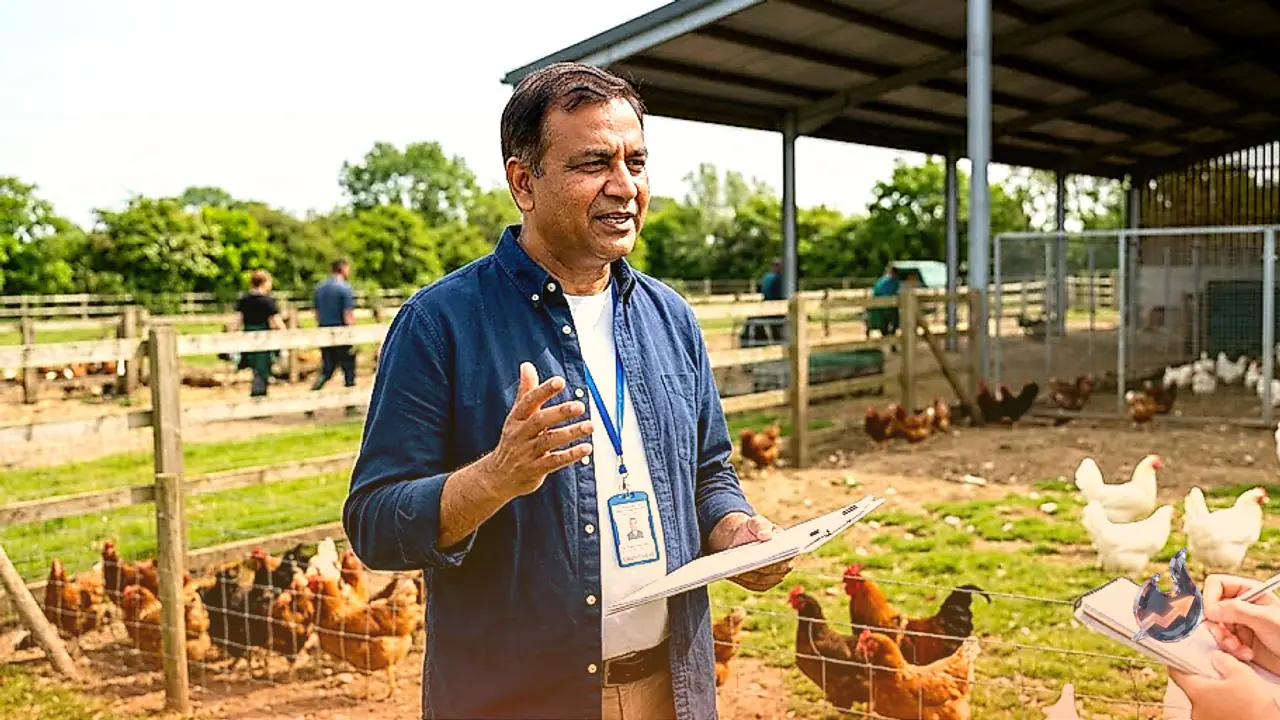
When egg production is the primary operational target, farmers frequently choose commercial layer varieties that are bred to deliver consistent and high-volume yields. According to Deputy Chief Veterinary Officer Dr. Rakesh Kumar Tiwari, native indigenous varieties like Kadaknath and Aseel have distinct traits, whereas commercial egg farming heavily relies on specialized layer breeds to maintain high output. If quality stock is paired with sound farm management, flocks can maintain steady egg production throughout the entire year. Achieving this requires meticulous supervision of nutritional feed quality, shed hygiene, balanced lighting schedules, reliable clean drinking water, and well-designed living spaces.
Commercial Potential and Egg Yields of Indigenous Breeds
Indigenous breeds such as Kadaknath and Aseel hold a distinct reputation among specific consumer segments. Their commercial demand frequently caters to dedicated niche markets compared to ordinary commercial poultry varieties. Actual income generated from indigenous farming depends on the precise breed, flock management systems, and local mandi pricing. In the local climatic conditions of Gonda, these hens can produce around 300 to 320 eggs annually, allowing growers to secure dependable financial returns. Consequently, farmers should survey nearby markets to gauge real-time egg and live-bird pricing before purchasing chicks or adult birds.
Broiler Selection for Specialized Meat Production
For operations exclusively focused on meat processing, broiler farming serves as the standard commercial route. Specialized broiler types such as Cornish Cross have been developed specifically to accelerate muscle growth and overall body mass. Because these birds attain market-ready slaughter weights in a relatively short rearing window, they remain the dominant choice across large-scale commercial poultry meat facilities.
Seasonal Shed Management and Preventive Health Practices
Given the weather variations seen in Gonda, protective shelter management is critical for bird health. During hot summer months when mercury levels rise, shielding birds from heat stress becomes imperative. Sheds require adequate cross-ventilation, continuous access to clean drinking water, and generous floor space to prevent overcrowding. Similarly, during monsoon and winter seasons, poultry shelters must be shielded against moisture buildup, high humidity, and direct cold drafts. Dr. Rakesh Kumar Tiwari emphasizes that selecting the appropriate breed, providing balanced feed, ensuring rigorous shed hygiene, administering timely vaccinations, and adapting flock care to weather changes collectively guarantee steady farm viability.