























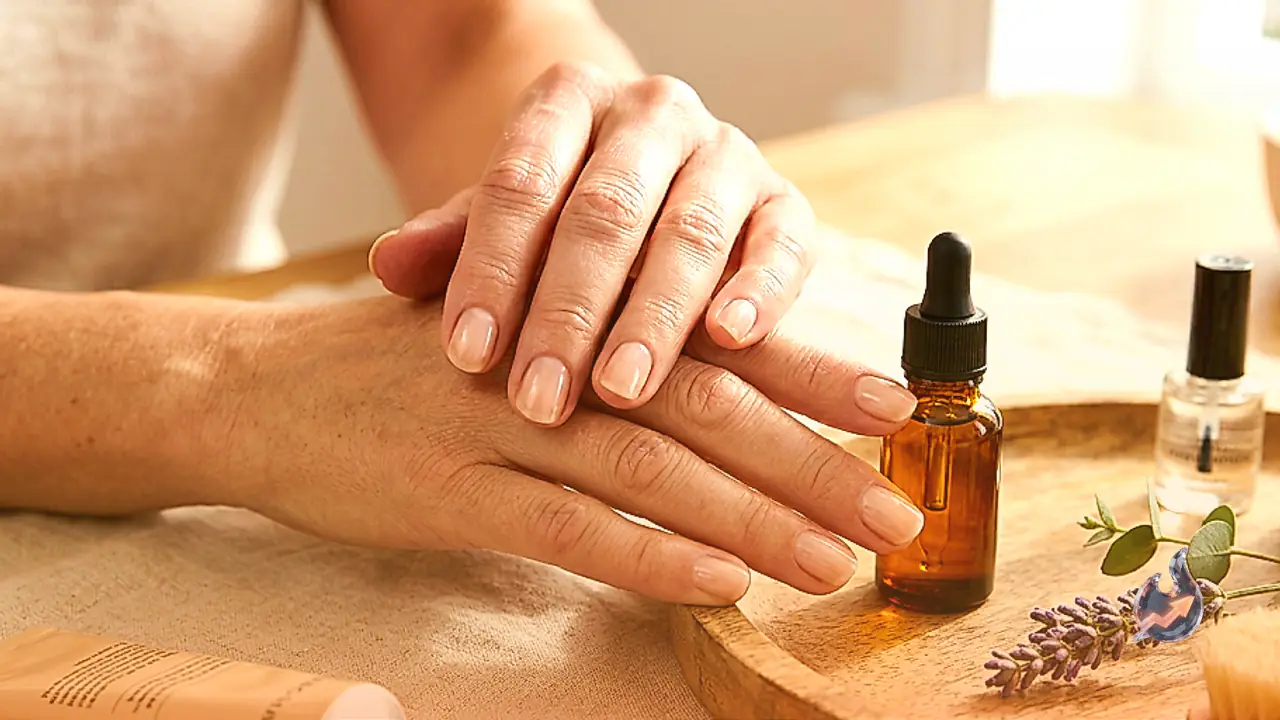

As people age, natural changes in the body can directly affect the texture and growth rate of their nails. During this stage, proper maintenance becomes even more important. The good news is that adopting a few simple daily habits can help keep nails healthy, strong, and well-maintained. Let us understand what changes occur in nails after the age of forty and how to care for them properly.
Combating Dryness and Preventing Breakage
With advancing age, the natural oils and moisture levels within the nails tend to decrease significantly. This reduction leads to a loss of flexibility, causing nails to become brittle, break easily, or split into two layers. To prevent this issue, apply petroleum jelly or a nourishing moisturizer onto the nails and the surrounding skin every night before going to sleep.
Restoring Shine and Gentle Buffing
Continuous application of nail polish, frequent exposure to sunlight, and age-related internal shifts can make nails appear yellow and dull. To restore their natural sheen, you can gently buff them once every few weeks. However, avoid aggressive rubbing, as excessive force can weaken the nail structure and cause damage.
Caring for Dry Cuticles
The skin surrounding the nails, known as cuticles, also tends to become dry and rough as people age. To combat this, apply a dedicated cuticle oil or a high-quality moisturizer on a daily basis. This practice helps lock in moisture within the skin and effectively minimizes dryness.
Dietary Habits and Cell Regeneration
After crossing the age of 40, the body's process of generating new cells slows down noticeably, which in turn impacts the speed at which nails grow. To keep nails healthy under these conditions, ensure your daily diet includes adequate amounts of protein, lentils, eggs, milk, and foods rich in vitamin B.
Managing Nail Ridges
As individuals grow older, long vertical ridges may sometimes appear running from the top to the bottom of the nails. These are typically normal structural changes. To make them less noticeable, you can use a ridge-filling base coat along with regular moisturization routines.
Recognizing Unusual Changes and Seeking Help
If nails suddenly turn extremely weak, change their shape, or show abnormal color variations, consulting a medical professional is strongly advised. In many cases, underlying thyroid issues, iron deficiency, certain medications, and chronic stress can trigger noticeable alterations in nails. Furthermore, improper removal techniques used during gel manicures and nail polishes can also cause severe harm, meaning abnormal shifts should never be ignored.