
























The holy festival of Navratri begins on October 11, bringing days of spiritual devotion and fasting dedicated to Goddess Durga. Devotees offer special holy offerings to the deity and adopt a strictly satvik eating routine. A common dilemma encountered by many observers involves understanding the exact dietary boundaries regarding which ingredients are permissible and which items must be excluded. Adopting a satvik meal plan during this festive period serves a dual purpose by nourishing the body with clean energy while helping detoxify the digestive tract. Keeping the fast pure and healthy requires paying close attention to kitchen preparations and ingredient choices.
Permissible Foods to Include in Your Navratri Fasting Meals
During the fasting cycle, meals must strictly adhere to satvik traditions, replacing daily staples with specific alternatives that sustain strength and lightness
- Grains and Flours: Conventional wheat flour, regular table rice, and pulses are kept out of fasting recipes. Devotees instead rely on buckwheat flour, water chestnut flour, and amaranth flour to make flatbreads or snacks. For light meals, sago pearls and barnyard millet serve as excellent replacements for everyday grains.
- Vegetables: Root vegetables and easy-to-digest produce take center stage during the fast. Permissible vegetables include potatoes, colocasia root, yam, pumpkin, bottle gourd, cucumber, carrots, and sweet potatoes. Cooks may also safely incorporate fresh tomatoes and ginger to add flavor and digestive support to dishes.
- Dairy Products: Dairy provides vital protein and sustained vitality during day-long fasts. The permitted list includes whole milk, plain curd, paneer, concentrated milk solids known as mawa, buttermilk, sweet lassi, fresh butter, and traditional clarified butter used for cooking.
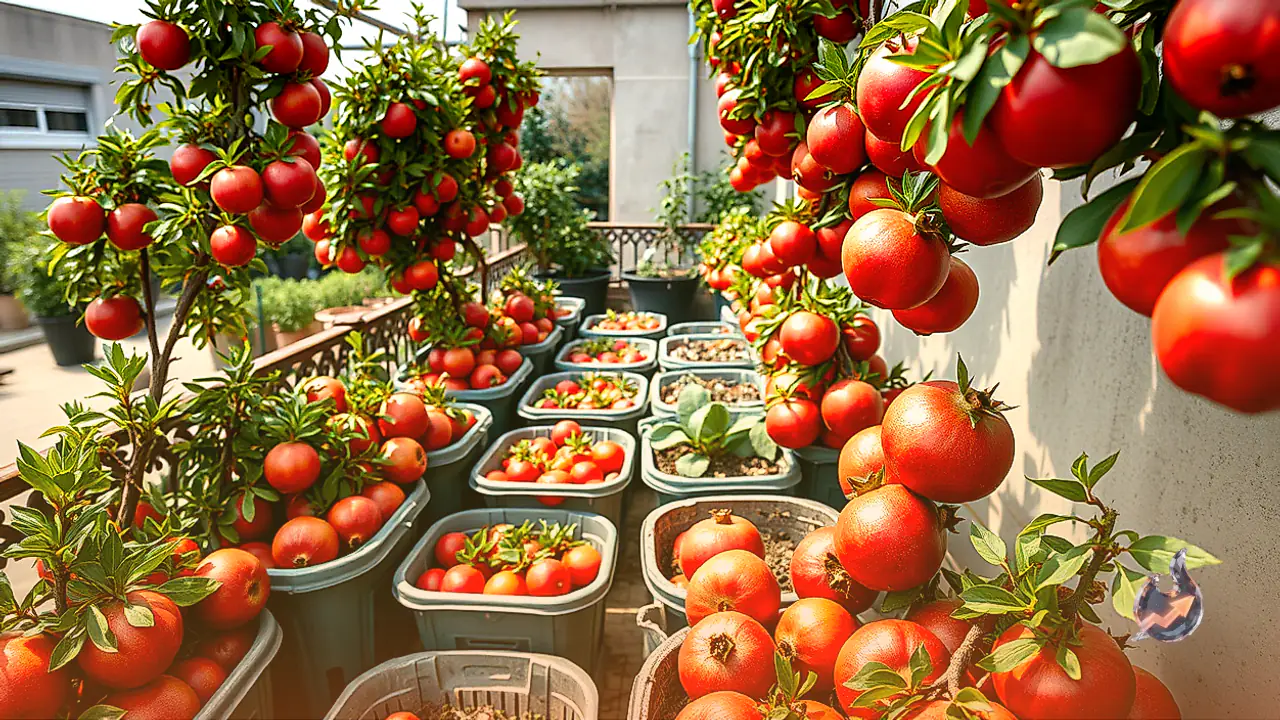
- Fresh Fruits and Nuts: Natural fruit sugars and micronutrients are best sourced from fresh apples, bananas, pomegranates, papayas, and oranges. In addition, dry fruits and nutrient-dense nuts like almonds, cashews, fox nuts, raisins, walnuts, and peanuts provide steady nourishment.
- Spices and Seasonings: Everyday commercial salt is replaced entirely by pure rock salt. When seasoning festive recipes, permissible flavorings are restricted to crushed black pepper powder, whole cumin seeds, green chillies, fresh coriander leaves, and green cardamom.
Prohibited Food Items to Avoid Throughout the Fast
To preserve spiritual sanctity and digestive balance, fasting rules strictly exclude several common pantry staples and processed foods
- Grains and Pulses: Wheat, standard white or brown rice, gram flour, semolina, refined white flour, oats, and all varieties of legumes, such as chickpeas, black gram, and yellow moong lentils, are forbidden.
- Onion and Garlic: Root aromatics like onion and garlic are categorized as tamsik foods under traditional dietary guidelines because they are believed to disturb mental calm and spiritual focus, making their consumption strictly prohibited.
- Standard Table Salt and Everyday Spices: Standard iodized table salt, turmeric powder, red chilli powder, commercial garam masala blends, coriander powder, asafoetida, and mustard seeds must not be added to fasting food.
- Non-Vegetarian Items and Alcohol: Devotees completely abstain from all animal meats, fish, poultry, eggs, and alcoholic beverages to honor the purity of the religious observance.
- Processed and Packaged Groceries: Packaged fruit juices, industrially processed potato crisps or packaged snacks, and bottled table sauces or tomato ketchups should be avoided. These commercial items typically contain chemical preservatives and ordinary table salt, which compromise fasting rules.