






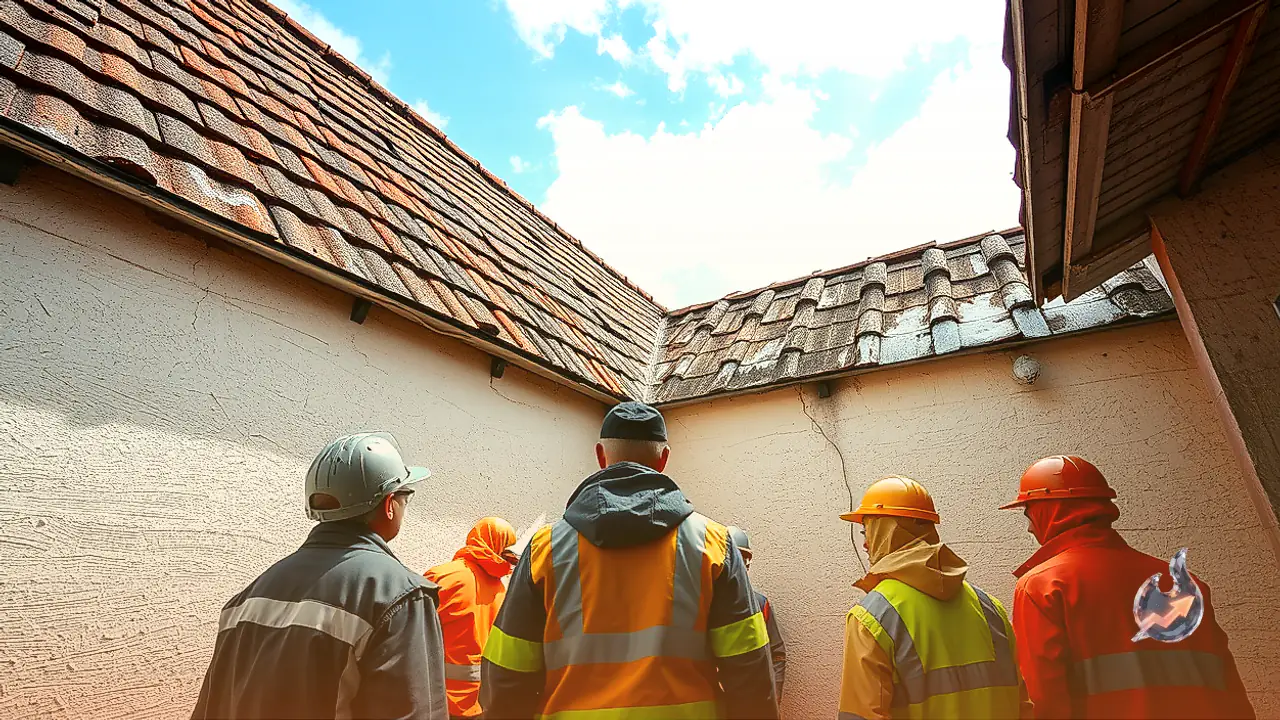
















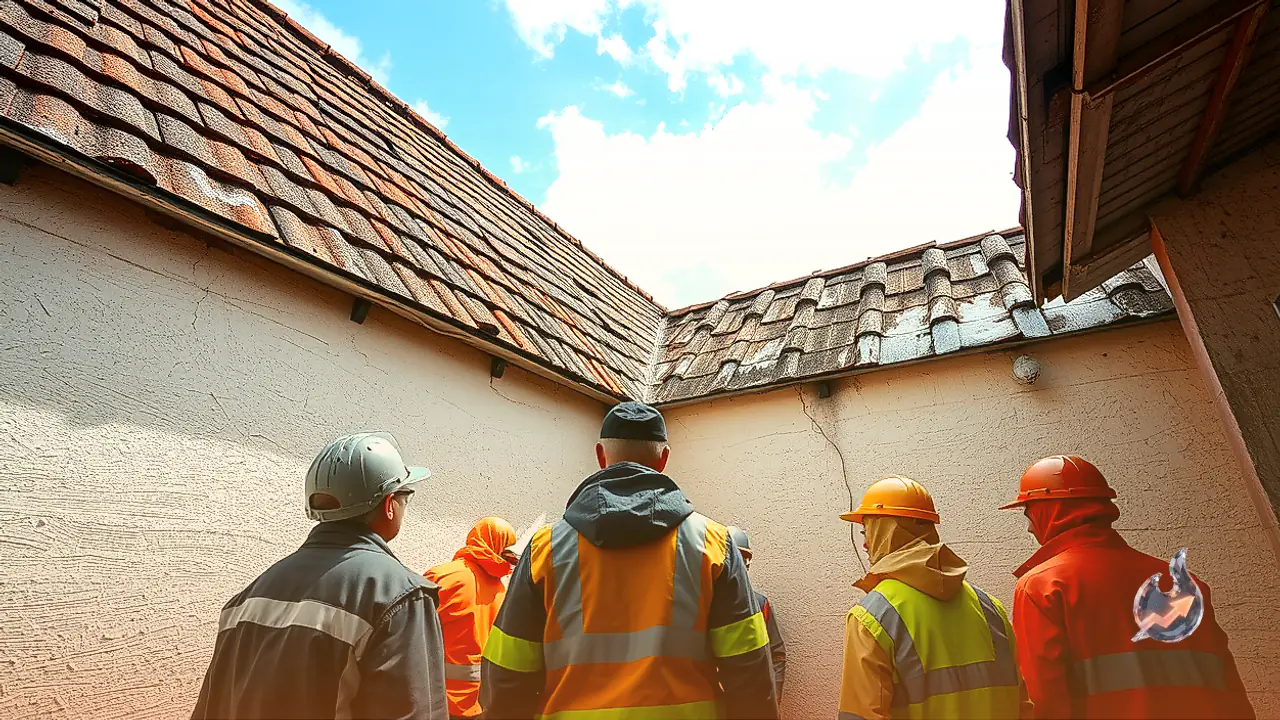

Fissures appearing on the roof and water trickling down into living spaces during the monsoon season represent a persistent headache for homeowners. In regions like Lakhimpur, residential properties frequently encounter this wear and tear over time. When water begins to infiltrate through the concrete slab, it eventually creeps down into room walls, causing damp patches, loosening internal plaster, and making paint flake away in unsightly layers. Leaving these fissures unattended can severely compromise the longevity of the entire property. Implementing proper, methodically applied roof waterproofing is the most reliable strategy to stop water ingress in its tracks and safeguard residential structures for years to come.
Primary Triggers Behind Fissures in Concrete Slabs
The development of cracks across a concrete roof surface is driven by a combination of weather exposure and construction realities. Intense variations in local climate exert recurring physical stress on concrete structures. During scorching summer days, the material expands under severe heat, only to contract rapidly when cold weather or heavy rains set in. If the original construction used inferior building materials or unbalanced mixtures, the slab naturally loses its resilience much faster.
Poor slope planning and standing rainwater also accelerate structural decay. Prolonged exposure to pooled water gradually softens the uppermost matrix of the concrete. The roof heats up rapidly under blistering daytime sun, whereas cold downpours chill it down abruptly within minutes. This cyclic thermal shift causes microscopic fissures to spread across the exposed surface. While these lines initially appear trivial, delaying corrective repairs allows rainwater to seep deep into the slab over time.
Structural and Safety Hazards Caused by Moisture Intrusion
Ignoring water seepage across the ceiling and walls does far more harm than merely ruining interior aesthetics. Continual moisture exposure weakens the cohesion between masonry and plaster, causing decorative coatings to peel off. Even worse, dark fungal growth and mold thrive in such persistent moisture, introducing stale and unhygienic odors into indoor living areas that compromise household comfort.
The threat escalates significantly when water reaches domestic electrical conduits. If the seepage intersects internal wiring, junction boxes, or wall-mounted electrical appliances, the risk of dangerous electric shocks rises drastically. Moisture entering wiring conduits is also a known trigger for sparks, short circuits, and potentially catastrophic fire outbreaks. Consequently, applying a cosmetic coat of whitewash or exterior paint over visible cracks is an ineffective shortcut. A lasting solution requires identifying the root source of the damage and executing thorough repairs.
Techniques and Materials Used in Waterproofing Barriers
Waterproofing functions as a protective shield, utilizing specialized compounds and multi-layered membranes to block liquid penetration into porous concrete. The primary objective is to prevent monsoon rain from soaking into the slab and eliminating internal leaks. Depending on the current structural state of the roof, the extent of fissuring, and the severity of water pooling, different waterproofing methods are employed.
Property owners can choose between cementitious coatings, liquid-applied waterproofing membranes, and advanced elastomeric protective barriers. However, there is no one-size-fits-all product for every building. Selecting the ideal treatment demands an evaluation of the roof layout, concrete age, exposure levels, and existing crack formations. Choosing a formulation that matches the specific surface ensures a resilient barrier that withstands weather extremes.
Critical Steps to Follow Before Applying Waterproofing
To ensure that the chemical coating binds effectively with the slab, preparatory ground steps must be carried out methodically
- Deep surface cleansing: Thoroughly eliminate all dust, mud, loose debris, moss, and lichen buildup from the concrete, as contaminated surfaces prevent adhesives from sticking properly.
- Assessing crack severity: Inspect the depth and nature of every crack to distinguish between minor hairline shrinkage fissures and deep structural splits that require specialized mortar infill.
- Unclogging drainage points: Ensure that water runoff paths, drains, and roof gutters are clear of blockages so that precipitation exits the roof immediately without pooling.
- Respecting application guidelines: Strictly follow manufacturer specifications regarding the mixing ratios, the required number of protective layers, and necessary curing intervals between coats.
Cost Determinants and Practical Recommendations from Anshul Shukla
The total financial investment needed for roof waterproofing is governed by multiple variables. These include the total square footage of the roof, the severity and depth of surface cracking, the chemical category of the selected membrane, labor charges, and any masonry repair work needed prior to application. Standard surface coatings are budget-friendly, whereas extensive crack stitching and elastomeric membrane installations demand a higher outlay.
Sharing his practical perspective on the issue, Anshul Shukla highlights that homeowners frequently build new residences, only to notice sudden fissures appearing on their roofs shortly thereafter. Before long, indoor dampness spreads across the walls. During extreme summer months, these untreated roofs also absorb immense thermal energy, driving internal room temperatures sky-high. According to Anshul Shukla, carrying out systematic roof waterproofing is the most practical remedy for both problems. It seals out dampness while simultaneously offering tangible relief from blistering summer heat. Moreover, waterproofing does not necessarily demand exorbitant budgets, as ensuring meticulous roof cleaning beforehand allows the job to be accomplished affordably and durably.