
























Home gardeners frequently rely on commercial nurseries whenever they wish to expand the greenery in their courtyards and terraces. Purchasing mature pots and saplings repeatedly can become quite expensive over time. On the other hand, attempting to cultivate plants directly from seeds often leads to disappointment, as delicate young seedlings frequently dry up and perish before maturing. Utilizing vegetative propagation and grafting methods offers an effective alternative to these challenges. By mastering the right technique and handling the plant with patience, anyone can raise multiple thriving saplings from a single healthy specimen without spending extra money.
Selecting the Right Stem and Preparing the Cut
Purnia based agricultural expert Ashutosh Kumar explained that the success of vegetative propagation largely hinges on choosing the appropriate branch. One should always select a tender, active branch from a healthy parent plant, ensuring that it carries no open flowers. Thick, overly woody, and rigid branches are generally unsuitable for this process, making soft and pliable stems the ideal candidate. Once the branch is neatly severed from the main shrub, all the lower foliage must be stripped away carefully. Using a clean pruner or cutter, the base of the prepared cutting is then sliced into a distinct V shape to expose the inner tissue and facilitate rooting.
Planting Steps and Moisture Care
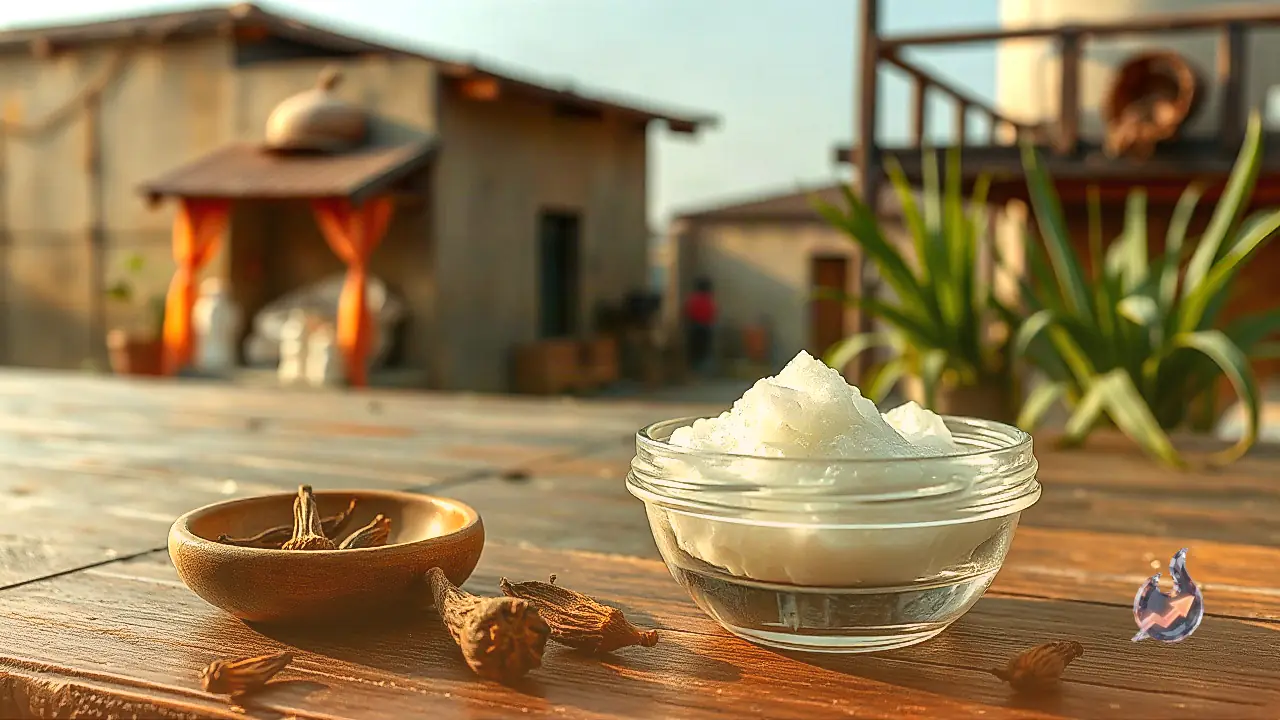
Once the cut is ready, it needs to be established in wet soil. Ashutosh Kumar pointed out a useful gardening measure: applying natural gel extracted from an aloe vera plant directly onto the bottom V-shaped cut before placing it in the ground. After coating the tip with aloe vera gel, the cutting is inserted firmly into the moist soil bed. Maintaining consistent ground moisture is vital for development, which requires regular and gentle watering over subsequent days. With steady moisture levels, tiny fresh roots will begin sprouting from the base within a few days.
Effective for Marigolds and Seasonal Flowers
With ongoing care, the young cutting establishes firm root contact in the substrate and steadily grows stronger. Agricultural expert Ashutosh Kumar highlighted that this dependable propagation method works exceptionally well for marigolds along with several other flowering plants. Adopting this practical approach allows home gardening enthusiasts to effortlessly multiply the variety and density of plants in their domestic gardens while entirely bypassing recurring purchases at commercial plant nurseries.