






















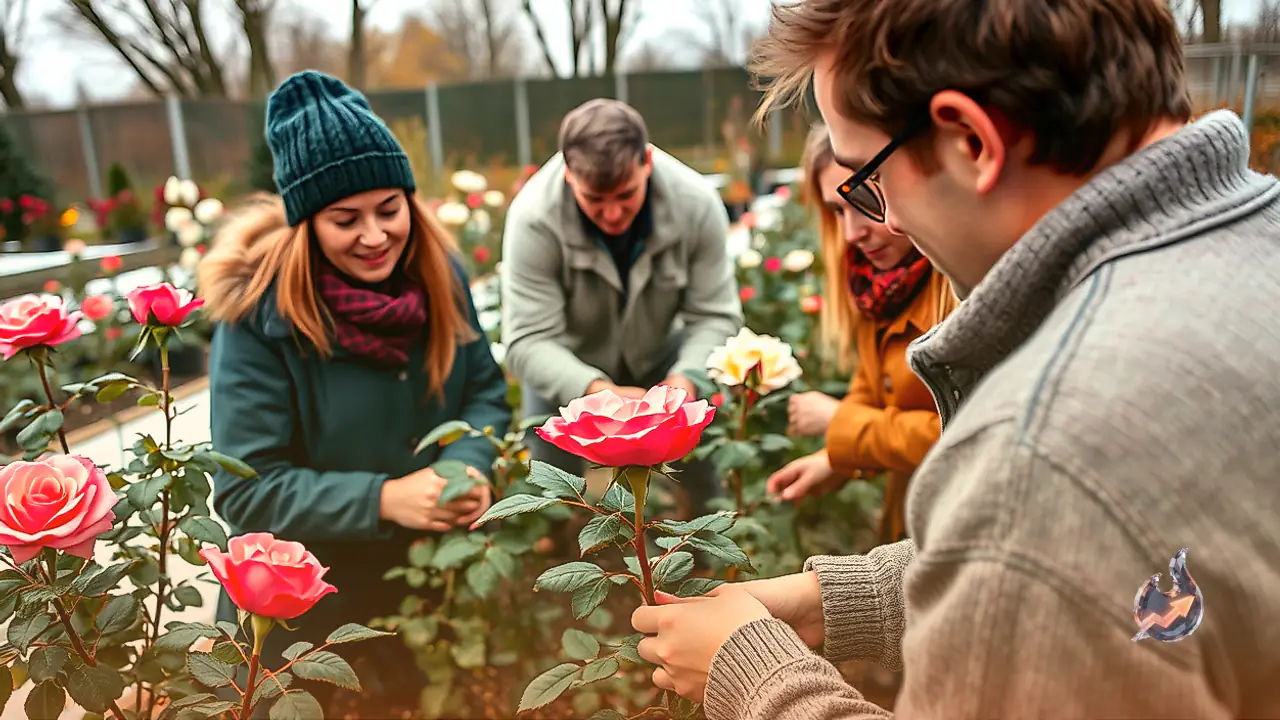

Plant enthusiasts aiming to transform home terraces and balconies into lively flower beds during the colder months find the autumn transition an ideal window to start. With temperatures moderating, plant nurseries begin stocking an assortment of vibrant shades, featuring striking pink, pure white, bright yellow, deep red, orange, and magenta varieties. Azad Ali, who manages the Green Garden Nursery in Ghazipur, notes that fifteen to twenty distinct cultivars are currently on offer, with additional shipments being arranged from Kolkata to meet the rising demand among local gardening hobbyists. By aligning the planting calendar with sound cultivation habits, gardeners can ensure their containers remain laden with colorful buds all season long.
Early October Offers the Best Window for Pruning and Planting
The fortnight spanning October 1 to October 15 serves as the optimal timeframe for both setting up fresh saplings and trimming established bushes. In Ghazipur's local winter climate, the resulting blossoms emerge remarkably broad, dense, and vividly tinted. While rose plants manage to put out blooms during the peak of summer, intense heat and excessive solar radiation severely curtail their size, causing petals to wither prematurely. Gardeners who wish to see their pots overflowing with healthy blooms must therefore wrap up the essential cutting and transplantation chores within the initial half of the month.
Inspect Foliage and Stems Rather Than Fleeting Blooms
A frequent error among nursery visitors is picking a container simply because it currently bears an eye-catching, open flower. Azad Ali cautions that existing petals naturally drop within a couple of days, making the overall vigor of the stem and foliage far more critical during selection. Wise buyers inspect the sapling to ensure it displays lush green leaves alongside a thick, sturdy main stem. One must consciously bypass specimens showing yellowing foliage, withered twigs, or sluggish shoots, as only a robust plant with active growth momentum can sustain heavy flowering once settled into a domestic pot.
Choosing Between Native and English Hybrid Varieties
Nurseries typically cater to two distinct gardening preferences through native desi varieties and English hybrid cultivars. Individuals seeking low-maintenance greenery gravitate toward native selections, whereas dedicated garden tenders prefer hybrid variations that command ongoing maintenance. English types demand periodic attention, such as snipping spent growth and clearing dried twigs, whereas native bushes thrive easily even under modest oversight. Cost reflects these differences: native saplings retail between 20 and 40 rupees, while hybrid choices span price tiers of 80, 120, and 140 rupees. Additionally, specialized orange cultivars potted in large containers reach up to 220 rupees.
Sunlight, Drainage, and Organic Fertilizer Application
Proper positioning requires placing pots where they receive a minimum of 5 to 6 hours of direct sunlight each day, which fuels consistent bud production. Equally vital is unobstructed drainage at the base of the container, as standing moisture around the root zone causes rot and stunts growth. Nourish the soil every 15 days using organic inputs such as mustard cake or neem cake meal. Rather than heaping fertilizer directly against the central trunk, mix it gently into the loosened top layer of soil and follow up with a thorough watering. Applying 25 to 30 grams for smaller 6 to 8-inch pots and roughly 50 grams for larger 10 to 12-inch planters provides adequate sustenance for robust branching.